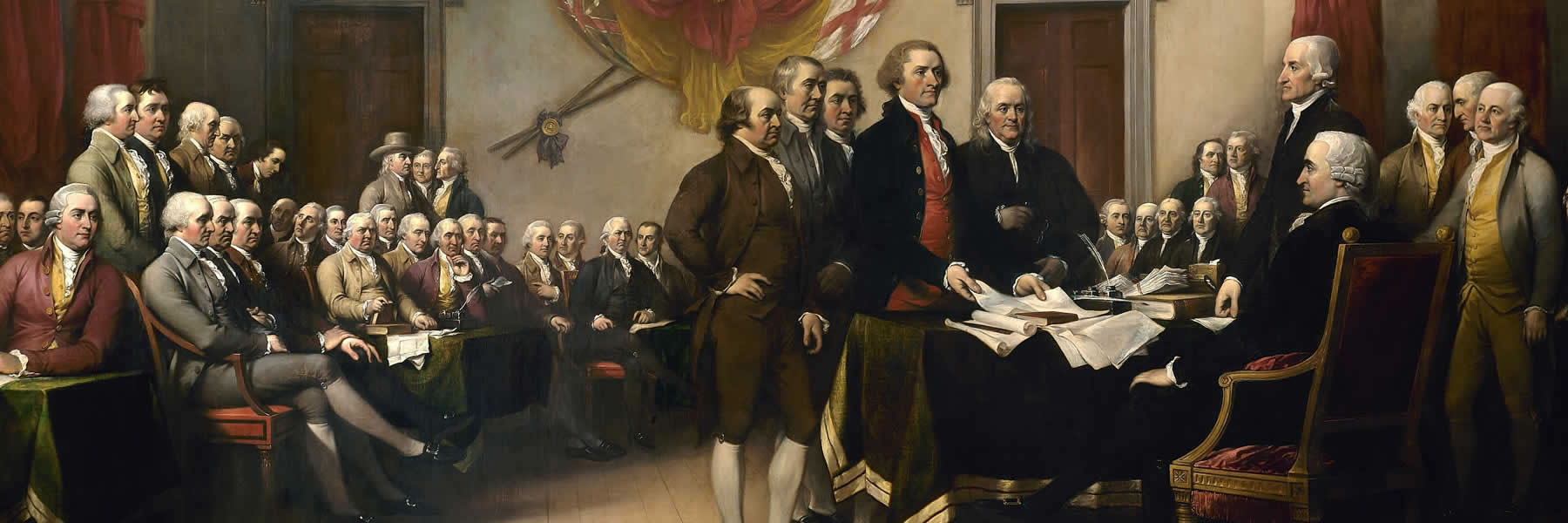
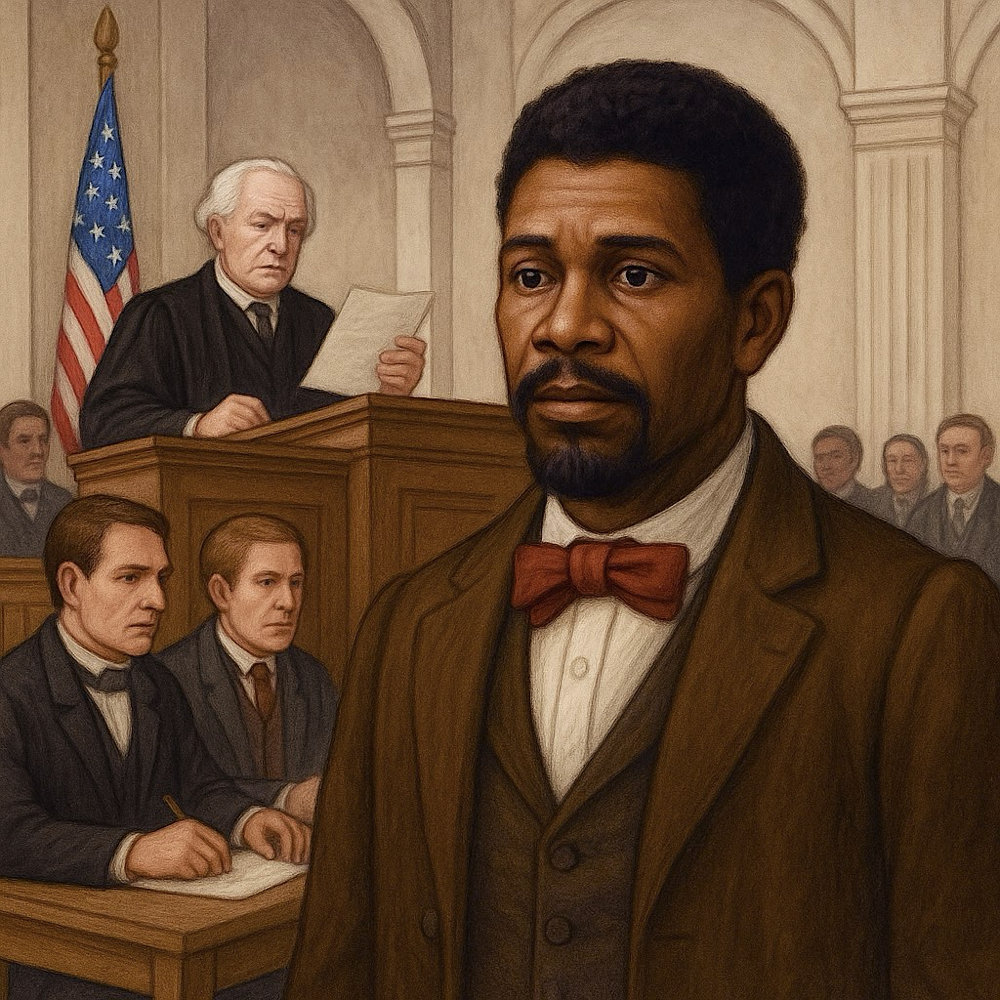
Conflicts over slavery, Uncle Tom's Cabin, the Dred Scott case, Lincoln's values, Civil War leaders and battles, Emancipation Proclamation
Civil War unit contains 17 learning experiences.
Learning Experiences (Lessons) in Civil War Each learning experience takes about 45 minutes to teach in the device-enabled classroom.
Increasing Conflict Over Slavery
Students learn how major events shaped early debates over slavery, how the Gold Rush intensified conflicts in California, and how the Kansas-Nebraska Act reshaped national arguments about slavery, revealing growing tensions that pushed the nation toward Civil War.
The Dred Scott Case
Students learn why the Dred Scott decision became a turning point by understanding the Court’s ruling, its reasoning about citizenship and federal power, and how reactions to the decision intensified sectional conflict and shaped debates around slavery
Challenging Slavery
Students learn how resistance to slavery, harsh reactions from enslavers, and violent conflicts like Bleeding Kansas and John Brown’s actions deepened national divisions and created an increasingly unstable climate in the United States by the 1850s.
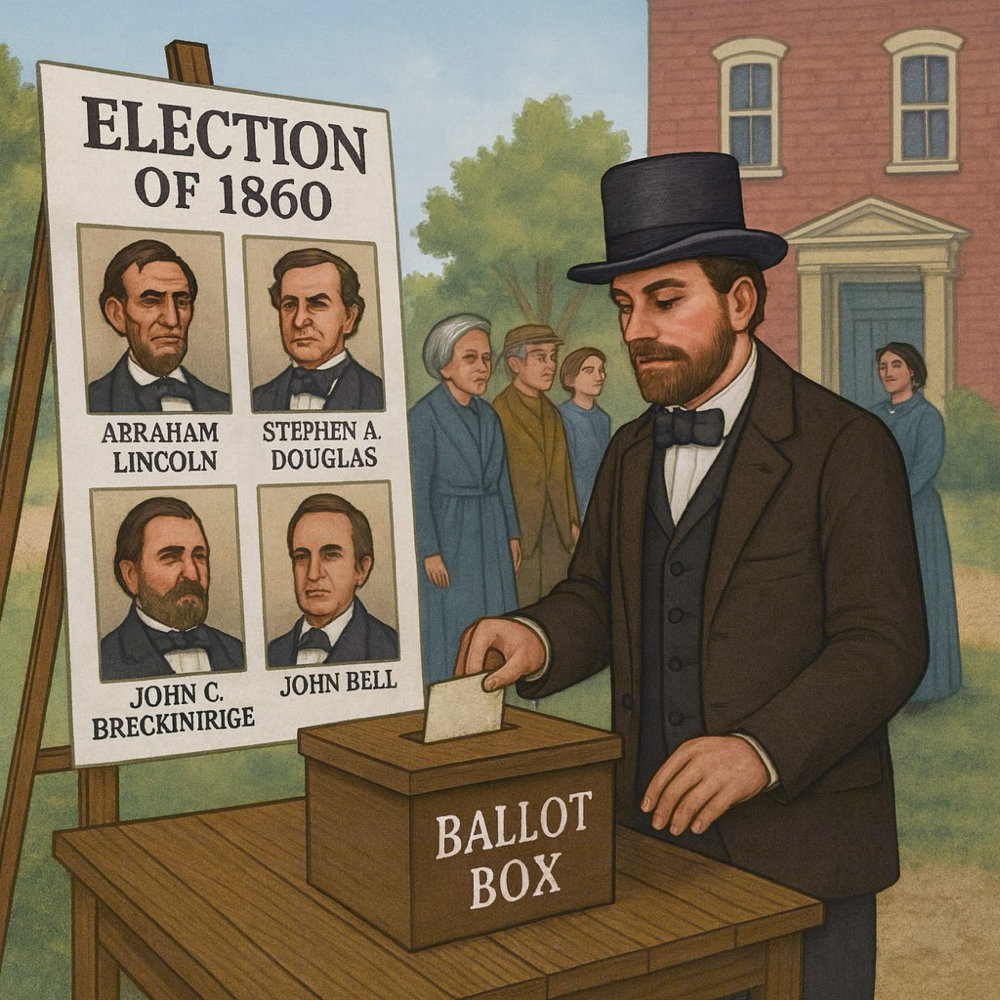
The Election of 1860 and Secession
Students learn how shifting political parties, regional voting patterns, and the election of 1860 intensified sectional conflict, led Southern leaders toward secession, and revealed why compromise failed as slavery and federal power reshaped the nation.
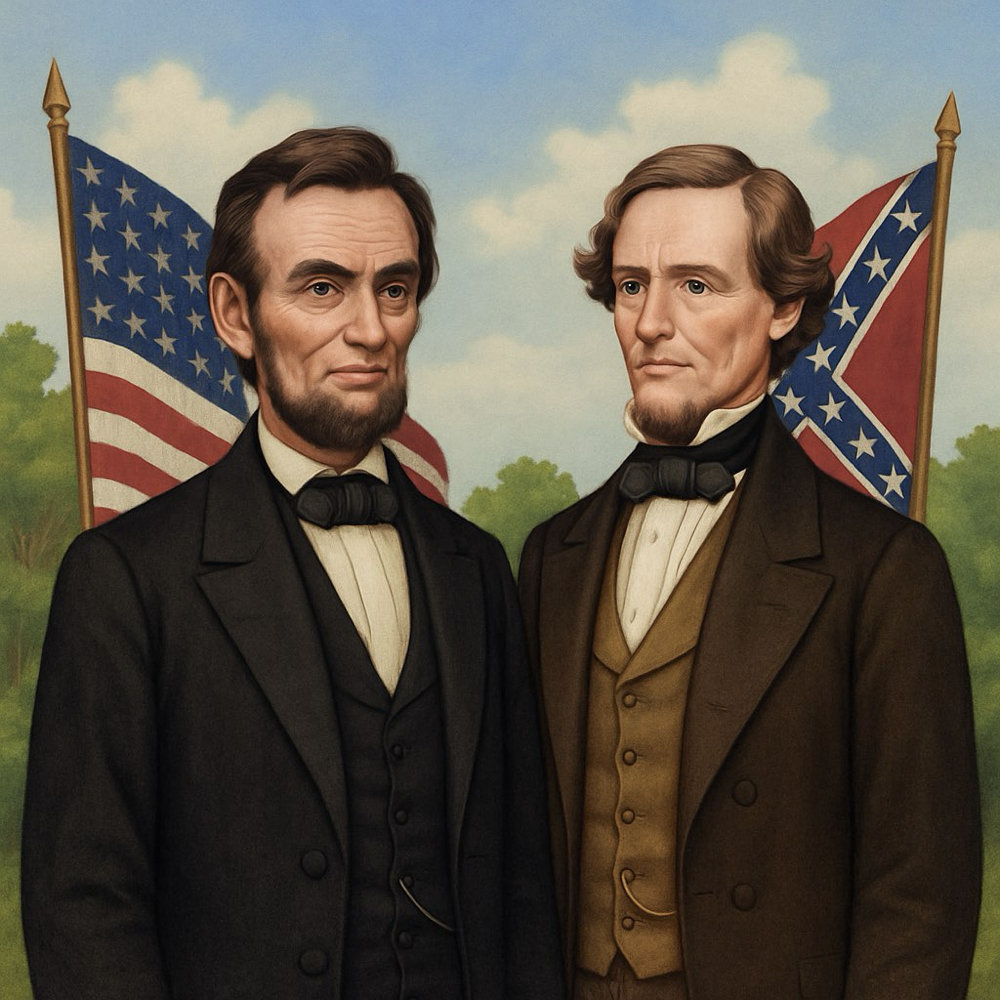
Lincoln and Davis
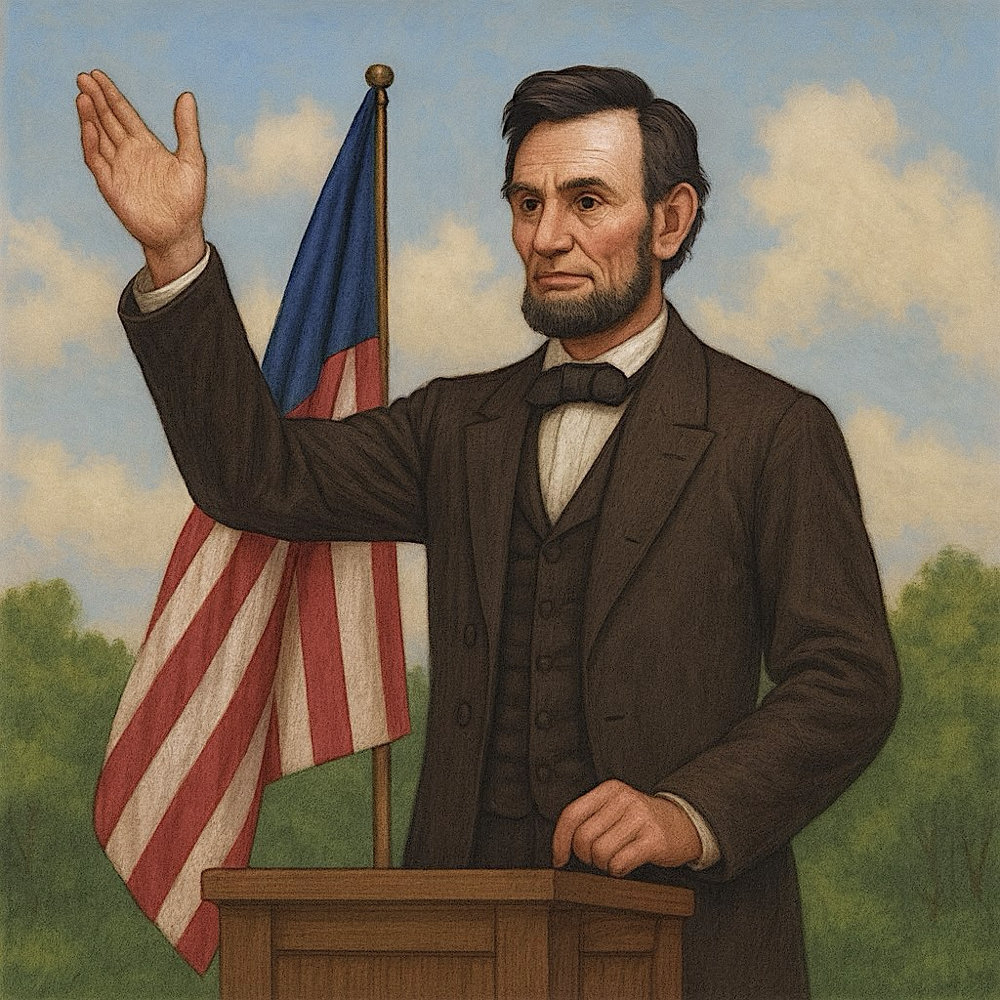
Students examine how Lincoln and Davis justified opposing visions for the nation, revealing competing ideas about authority, legitimacy, and conflict that deepened national division and made compromise difficult at the outbreak of the Civil War.
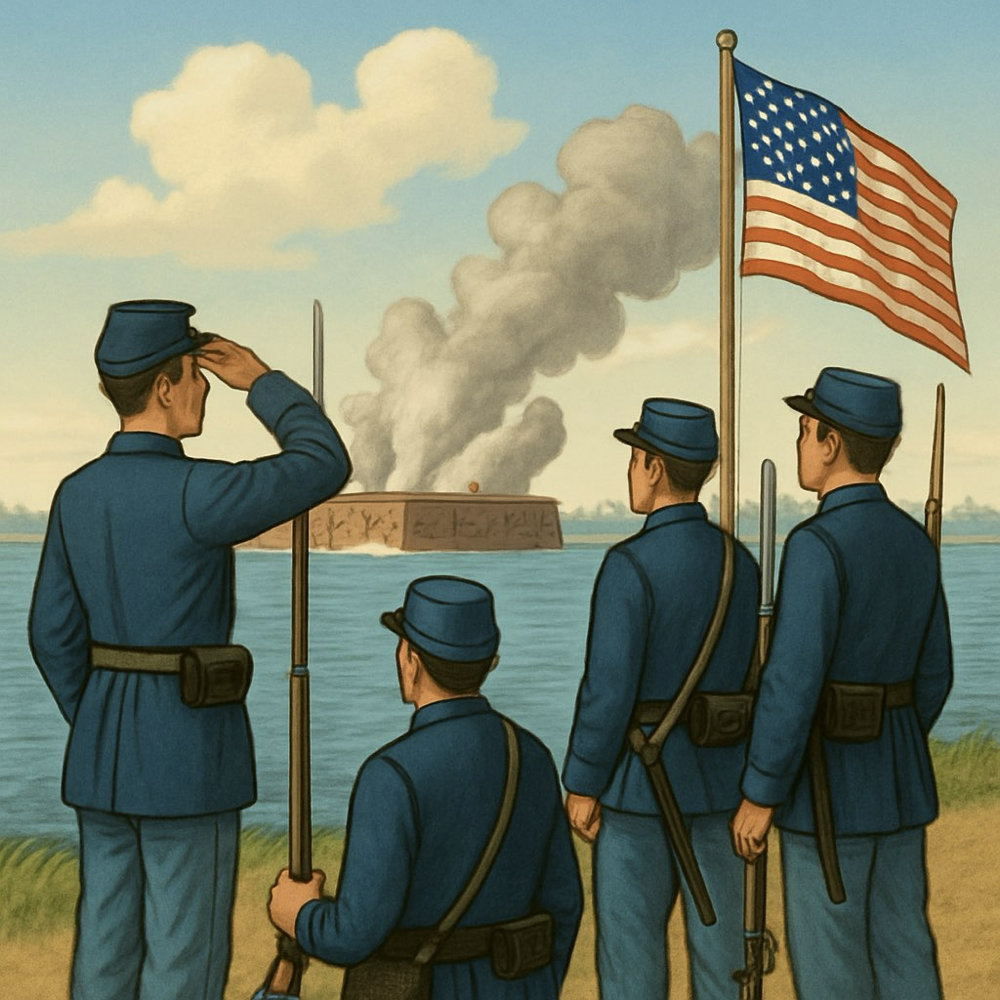
The Outbreak of War
Students learn why Fort Sumter mattered, how negotiations failed before fighting began, and how early military conditions and resources shaped decisions and expectations at the opening of the Civil War for both sides involved nationally.
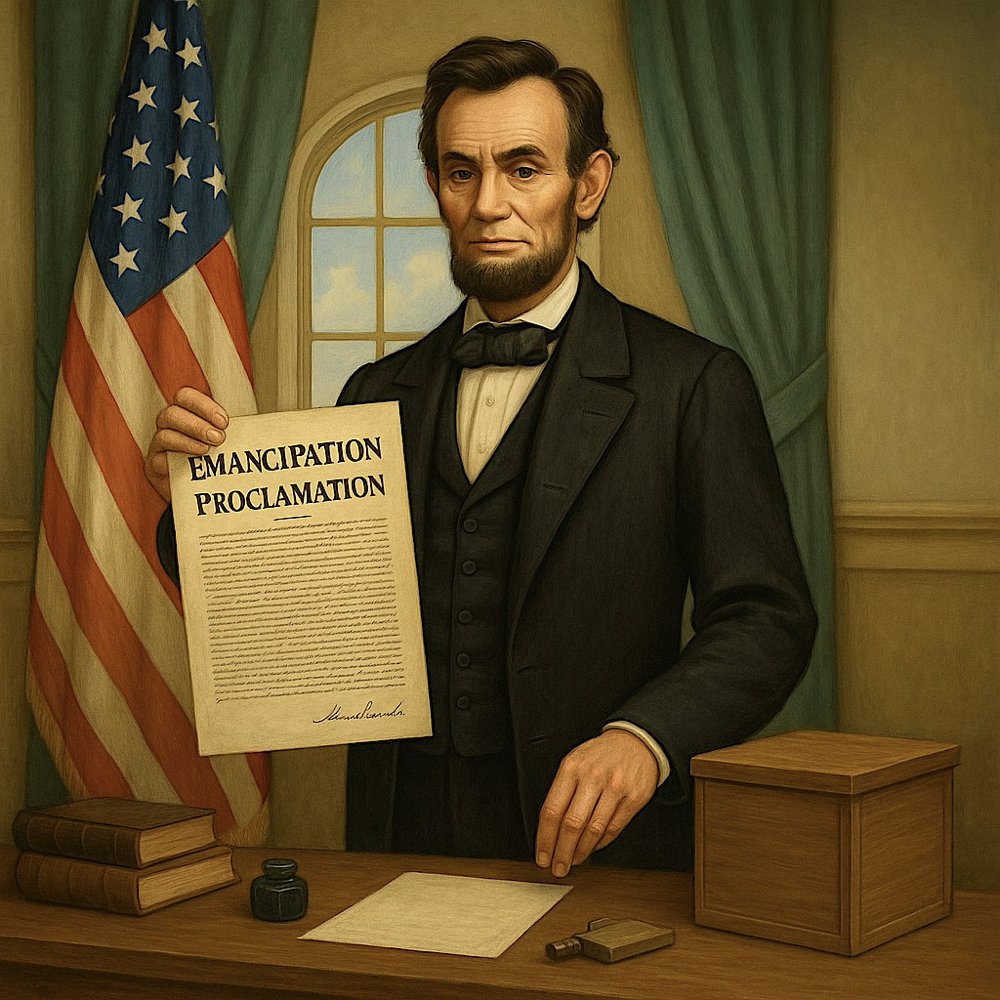
The Emancipation Proclamation
Students analyze the Emancipation Proclamation to understand its purpose, limits, and impact, examining how language and wartime strategy reshaped the Civil War and the meaning of emancipation.
Turning Points in the War
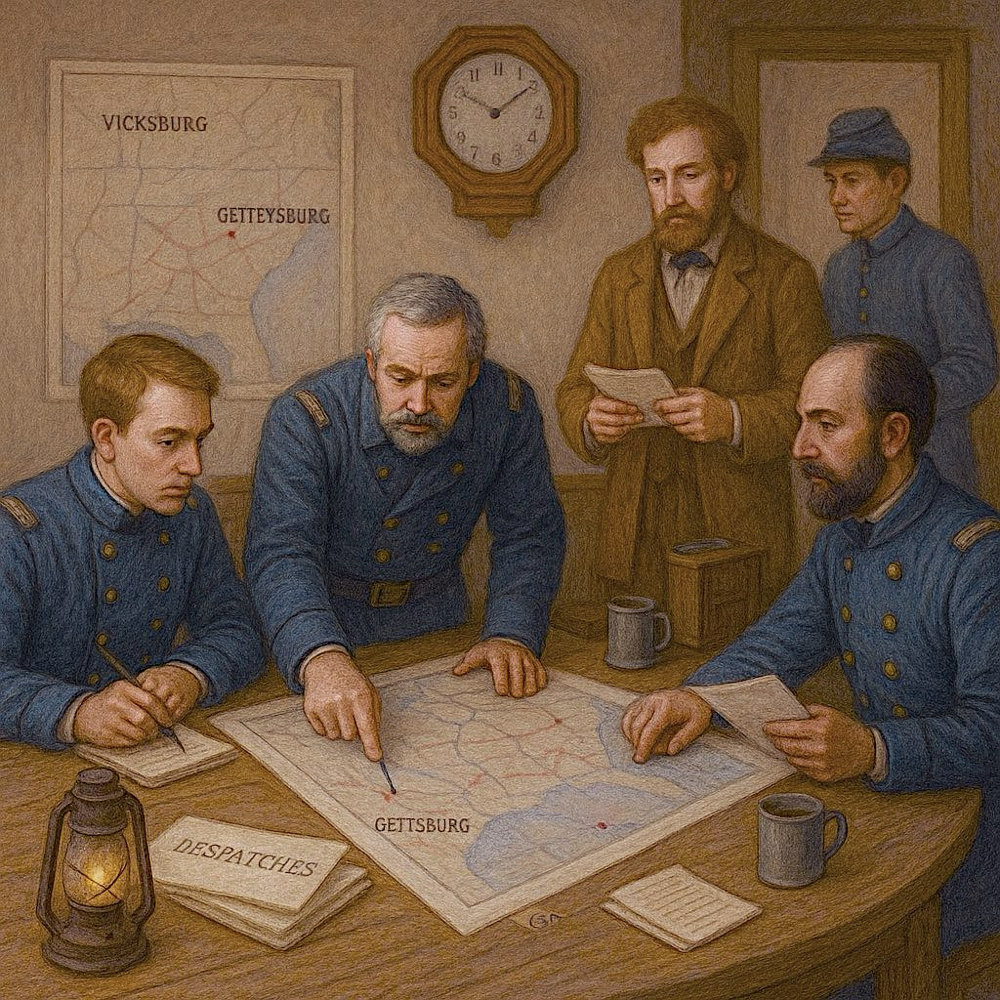
Students analyze Gettysburg and Vicksburg to understand why historians consider them turning points, examining how military outcomes shift momentum and shape interpretations of significance in war.
Technology in the Civil War
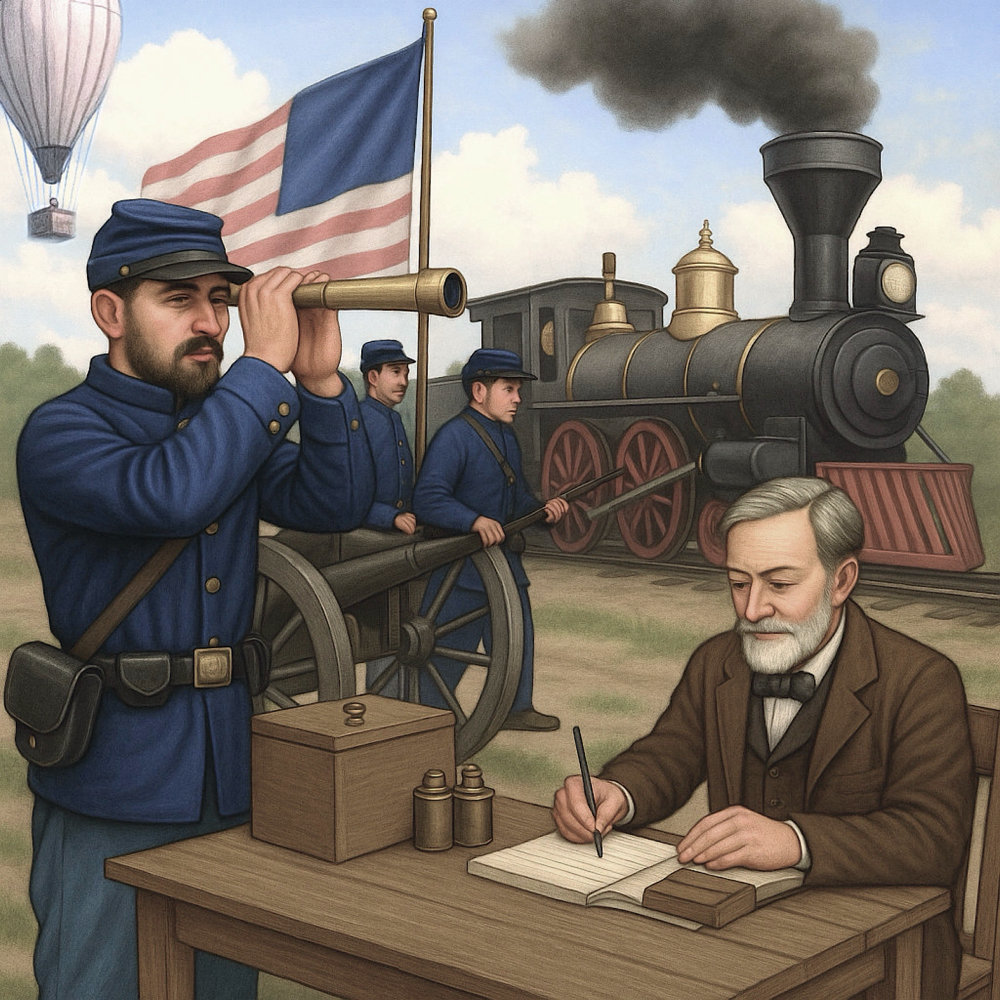
Students examine the significance of technological innovations during the Civil War by exploring how advances in communication, transportation, and warfare shaped how the war was fought, managed, and understood at the time.
Impacts of the War in the North
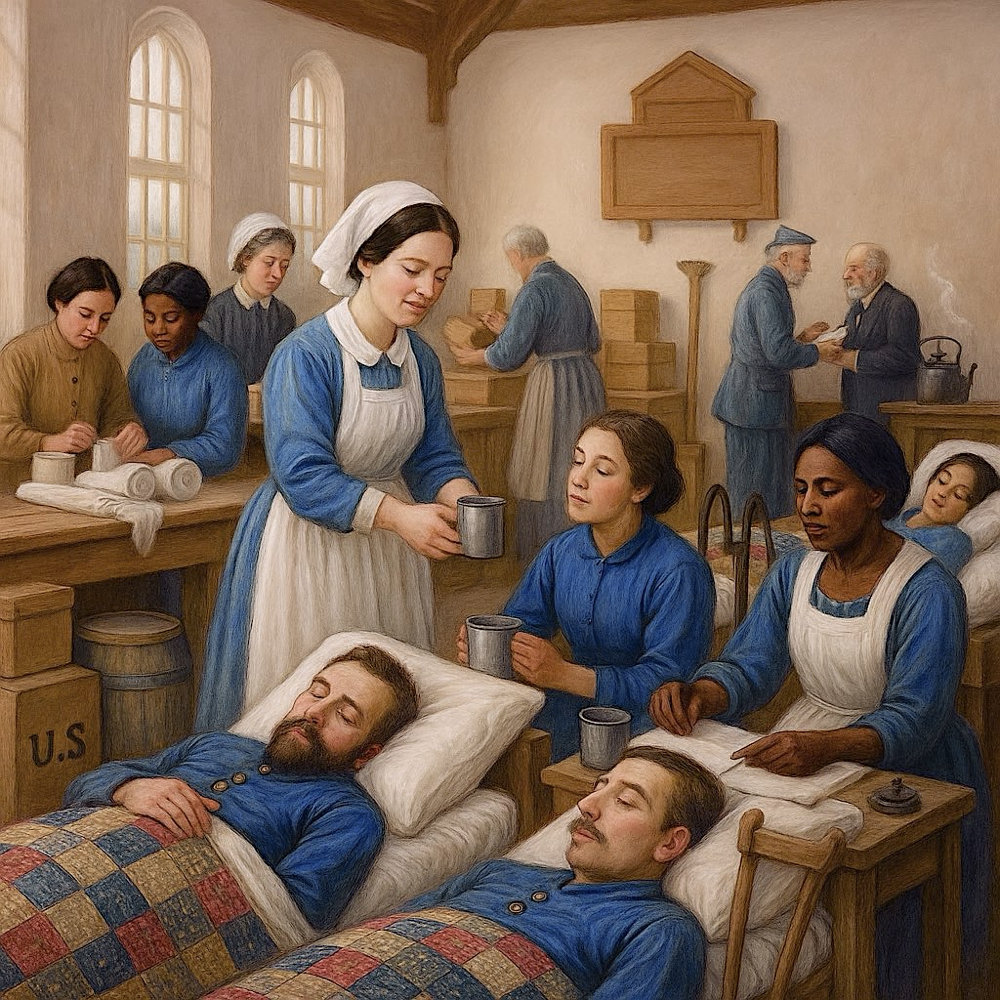
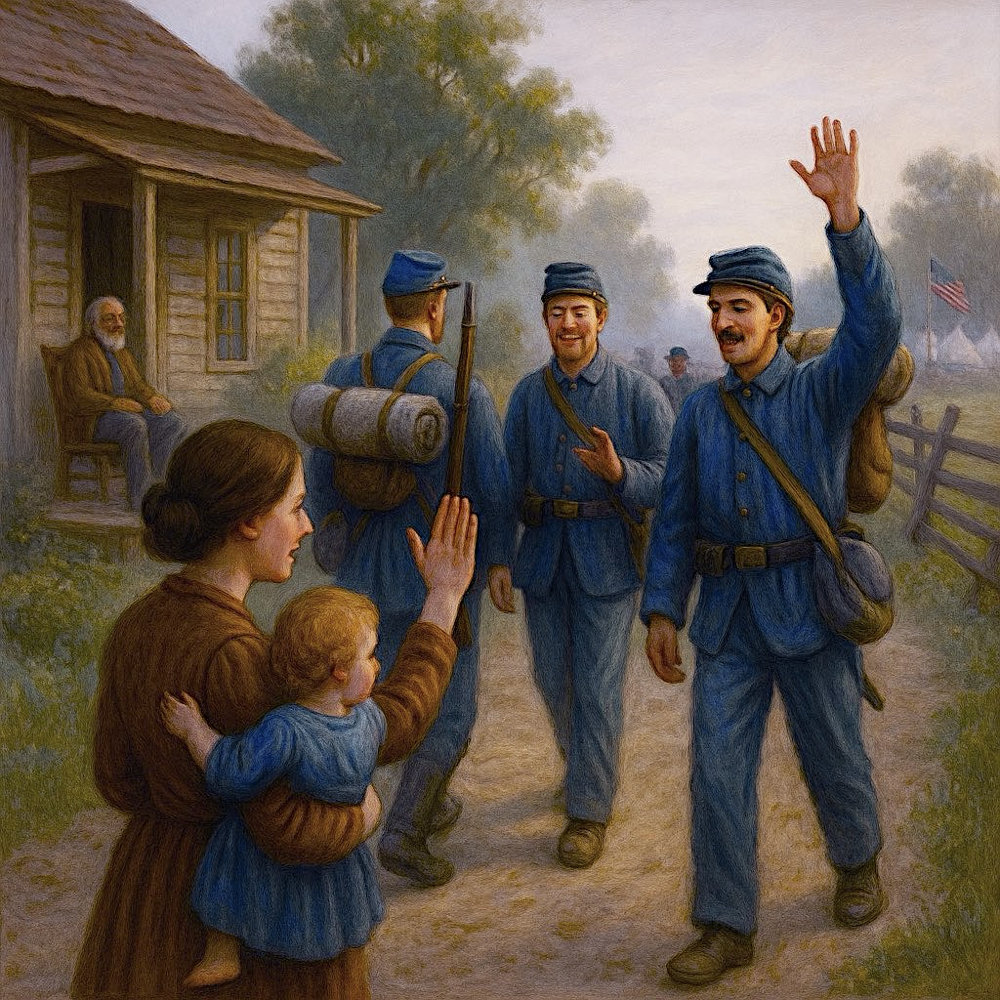
Students learn how the Civil War reshaped Northern life by revealing varied civilian experiences, economic change, and divided political attitudes, showing that the North was not unified and that the war transformed life and perspectives.
Impacts of the War in the South
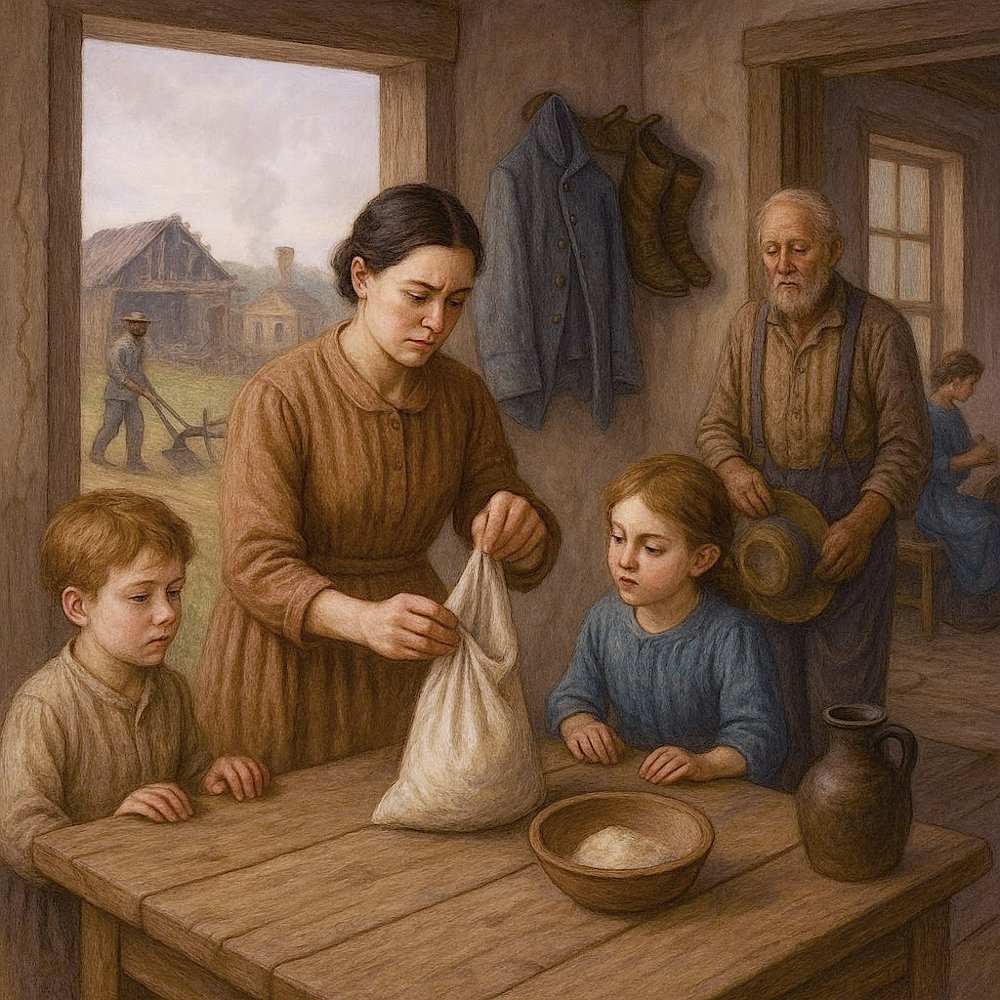
Students learn how war transformed civilian life in the South through shortages, inflation, and government policies, how these pressures fueled unrest and food riots, and why declining morale weakened support for the Confederate war effort.
African Americans in the Civil War
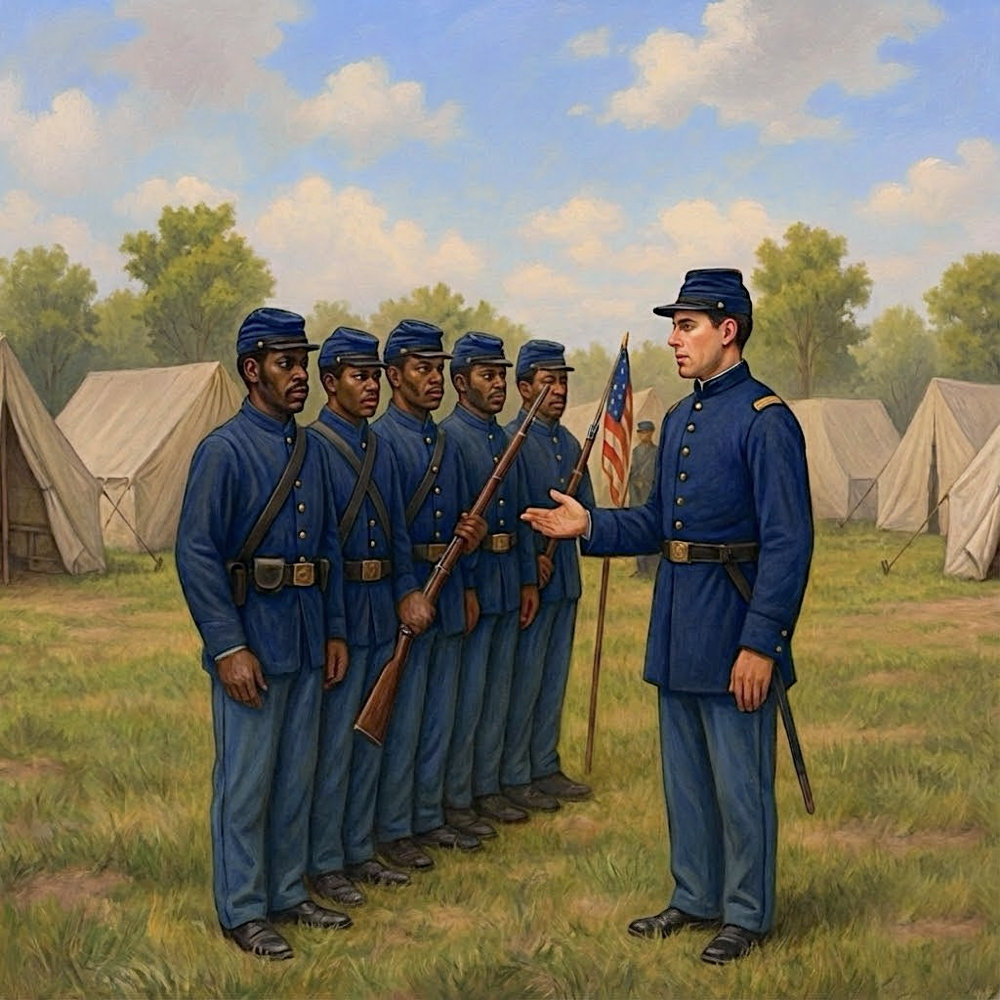
Students learn how the Civil War reshaped power, opportunity, and resistance for Black Americans by examining how enslaved and free Black people experienced the war differently and contributed to the Union effort in meaningful ways.
Lincoln’s Second Inaugural Address
Students explore how the Election of 1864 and the soldier vote shaped support for Lincoln’s leadership, then examine how his Second Inaugural Address described the Civil War’s cost and called for unity and reconciliation.
The End of the War
Students learn how the Civil War ended, the scale of human and material loss, and how surrender, casualties, emancipation, and destruction reshaped communities, government responsibilities, and national identity across the North and South nationwide afterward.
Important People of the Civil War
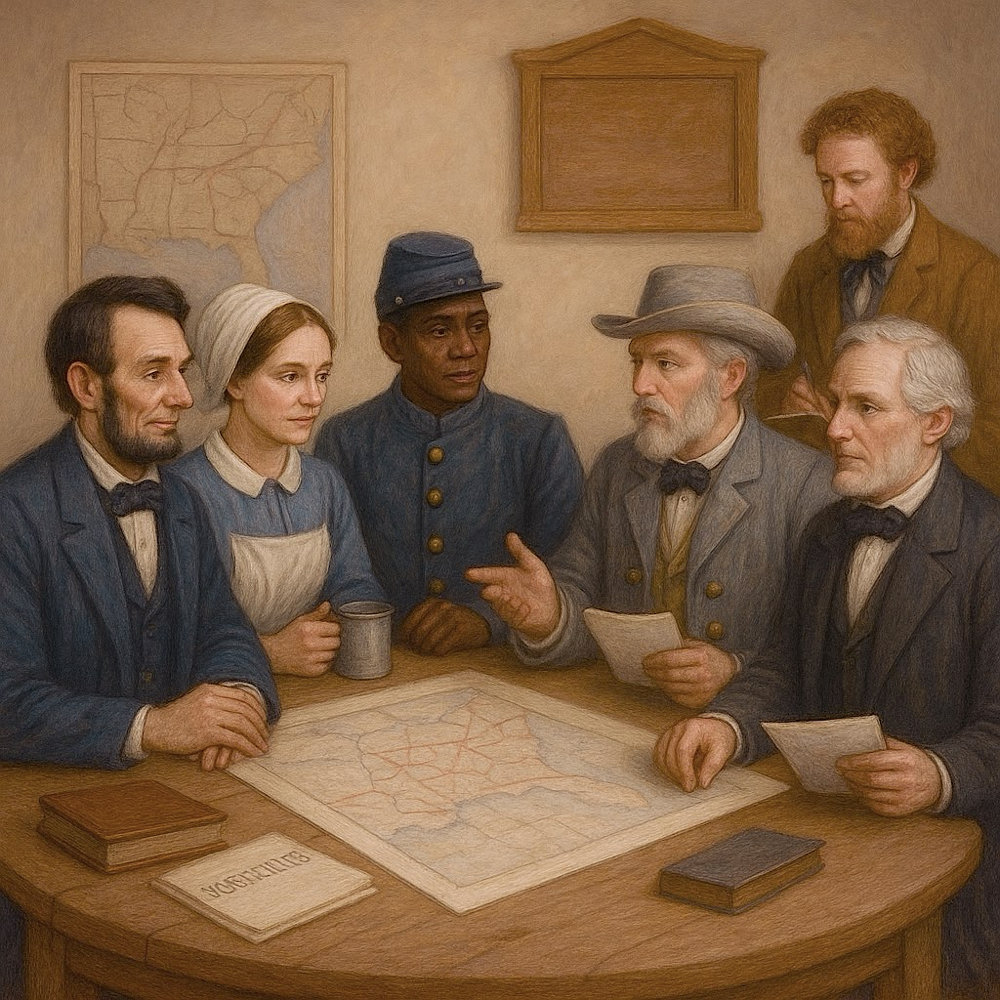
Students investigate how individual choices influenced the Civil War by researching the choices and actions of diverse figures and analyzing why those contributions were significant to the conflict and the nation.
Civil War: Review
This collaborative review guides students through reflection, vocabulary, and content practice to reinforce key learning. Interactive activities and optional writing help deepen understanding before a final exit ticket.