Add a Curriculum Bundle to Your Account!
Please select a bundle.



The Pack contains associated resources for the learning experience, typically in the form of articles and videos. There is a teacher Pack (with only teacher information) and a student Pack (which contains only student information). As a teacher, you can toggle between both to see everything.
Here are the teacher pack items for Turning Points in the War:

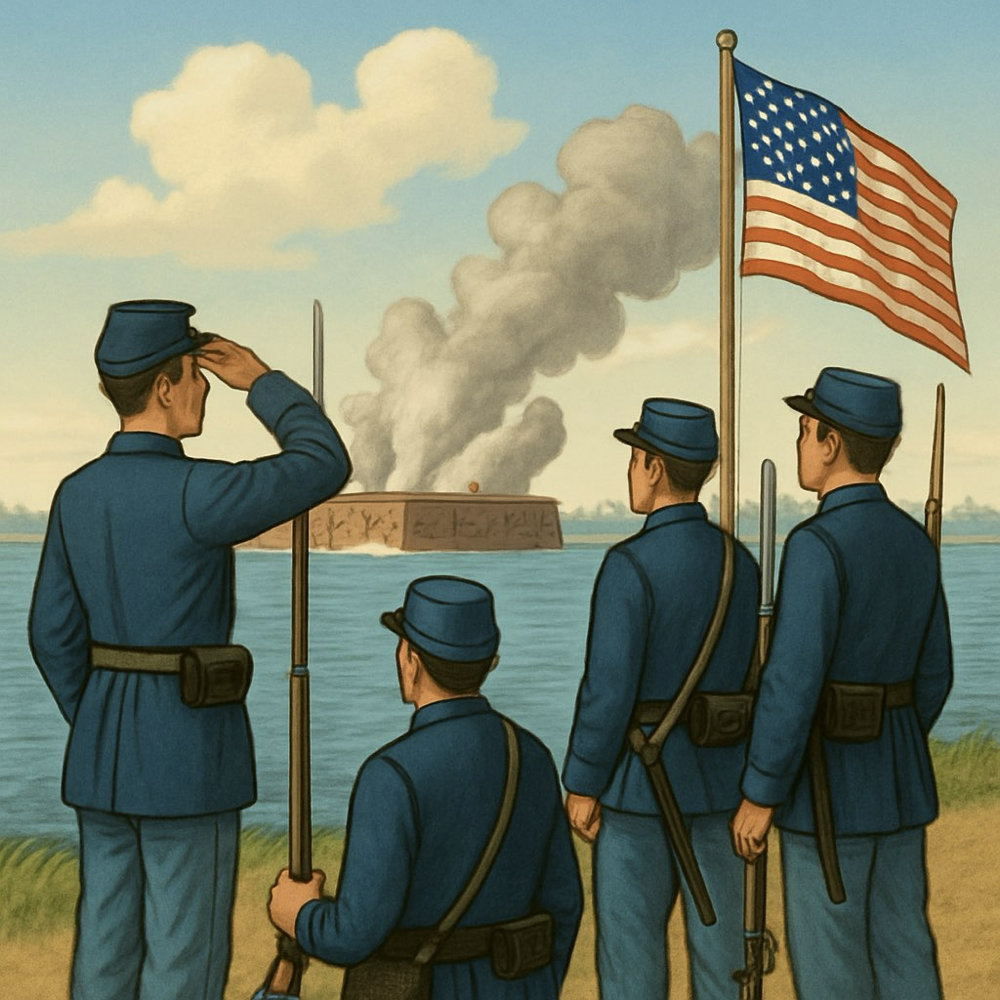
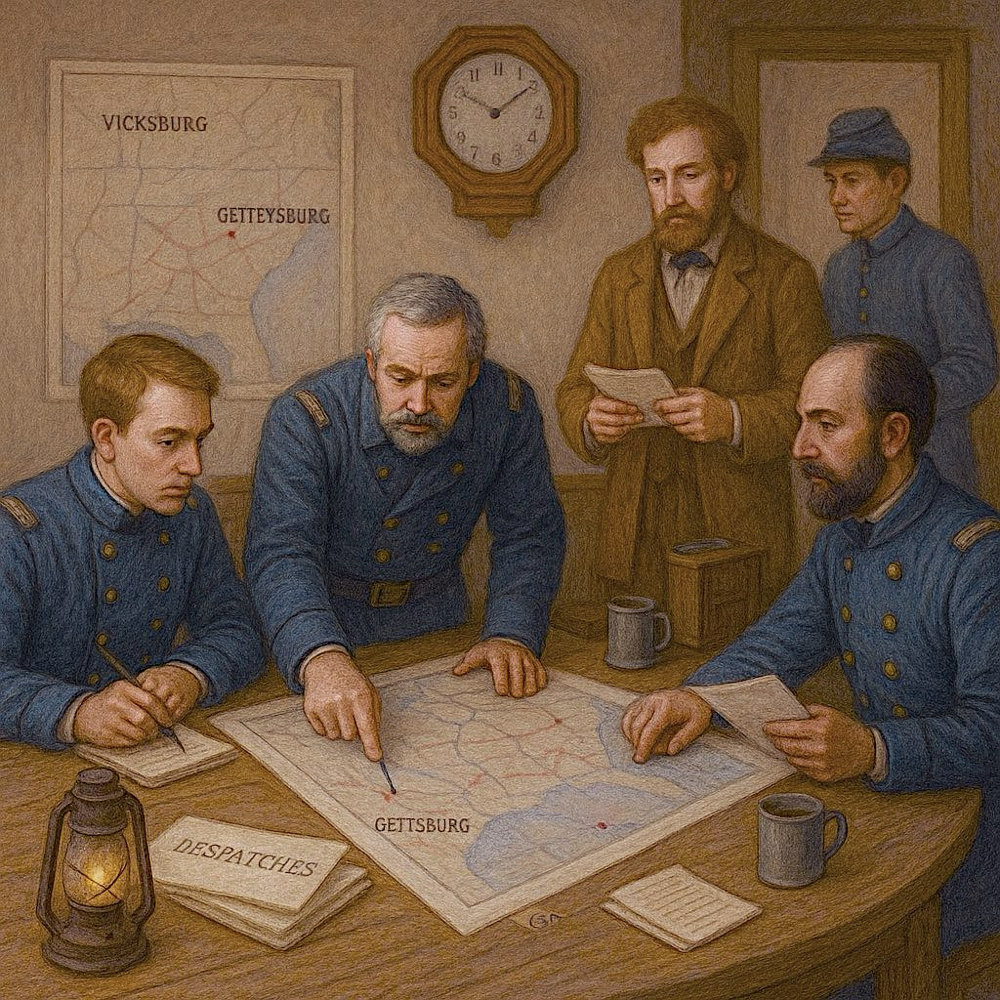
Overview In this experience, students examine why the July 1863 battles of Gettysburg and Vicksburg are considered turning points in the Civil War. First, students briefly review what historians mean by a turning point and the kinds of changes that can signal a shift in a war. Next, students explore the state of the Civil War in early 1863 to understand why the Confederacy appeared to have the advantage before July. Then, students analyze the outcomes of Gettysburg and Vicksburg and discuss why those outcomes, taken together, marked a turning point in the war. Finally, the Elaborate scene invites students to investigate other possible turning points and consider how historians evaluate significance and why interpretations of turning points can differ. Estimated Duration: 45–60 minutes Vocabulary Words and Definitions Objectives:
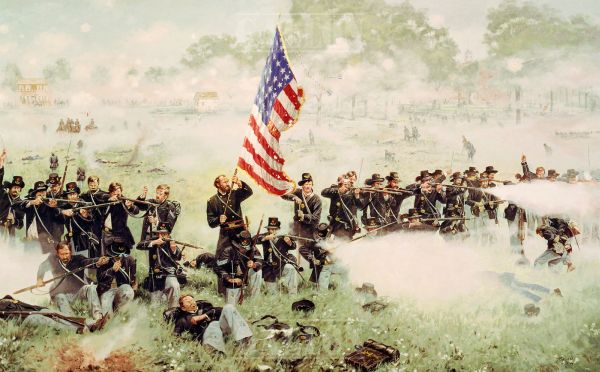
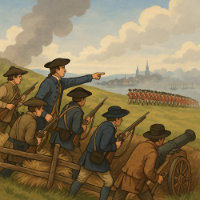
The first day of the Battle of Gettysburg
Conflicts often include moments that historians later describe as turning points. These moments stand out when looking back on the overall course of a conflict, even though they may not have seemed important at the time. Identifying turning points helps historians organize events and explain how a conflict developed over time.
Think about what factors historians might use to identify a turning point in a conflict, and then add one or two ideas to the class list.

When reviewing the class list, guide attention to ideas that appear more than once or are closely related. Use those shared responses to press students’ thinking about historical judgment. Ask: Which ideas seem to come up most often in our list? and Why might historians pay attention to those kinds of factors when deciding if something is a turning point? Follow up by asking: What does that factor help historians notice or measure about a war?
In this experience, you will learn how the balance of power in the Civil War changed in 1863 and why the battles of Gettysburg and Vicksburg are seen as key moments that shifted momentum and influenced the war’s outcome.
Objectives: