Add a Curriculum Bundle to Your Account!
Please select a bundle.




The Pack contains associated resources for the learning experience, typically in the form of articles and videos. There is a teacher Pack (with only teacher information) and a student Pack (which contains only student information). As a teacher, you can toggle between both to see everything.
Here are the teacher pack items for Technology in the Civil War:

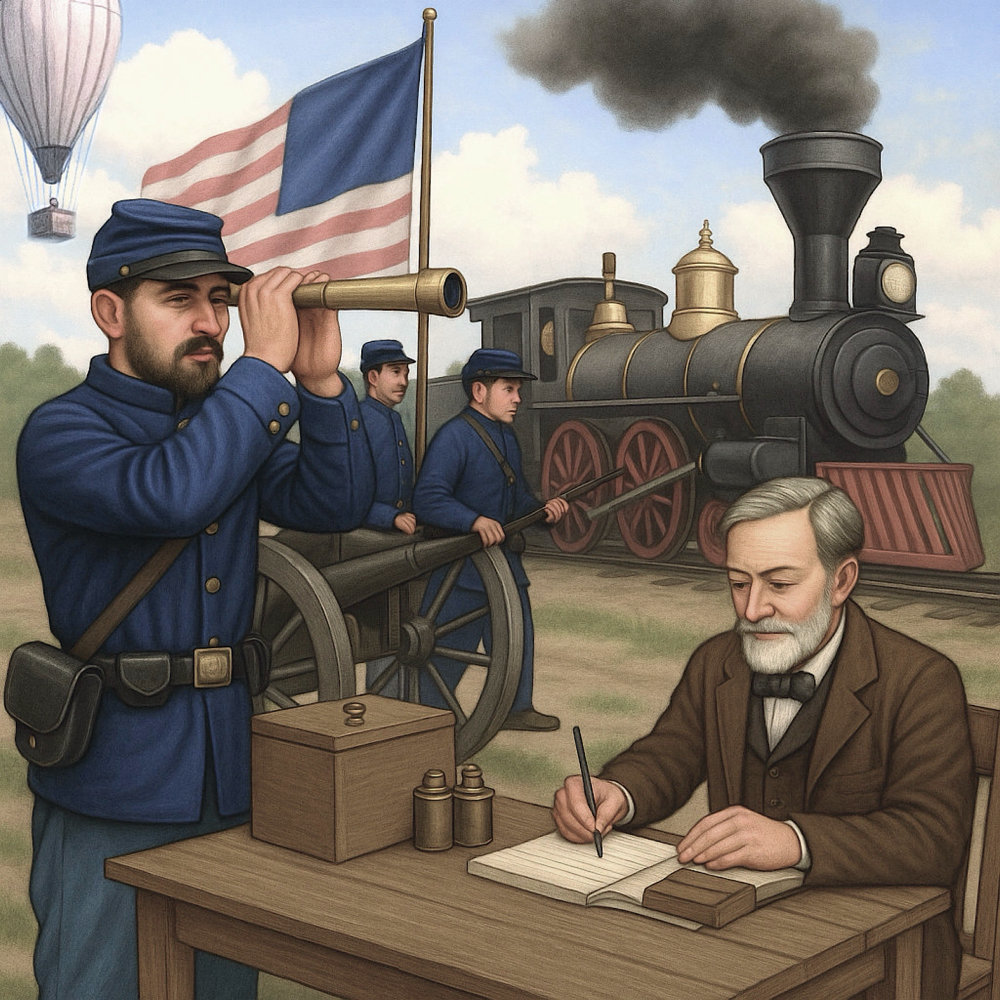
Overview In this experience, students investigate how technological innovations shaped the significance of the Civil War by examining changes in communication, transportation, and warfare. First, students discuss how the technologies available during a time period can shape what people experience, record, and remember. Next, students explore how multiple technologies advanced during the Civil War and begin to consider how these developments influenced the conflict. Then, students research one specific technology to understand how it addressed challenges and changed what was possible during the war. After that, students create a product to showcase their research and clearly explain how their technology functioned during the Civil War and contributed to impacting the conflict. Finally, the Evaluate scene invites students to share their ideas through partner discussion, participate in fishbowl conversations about which technologies were most significant, and reflect on how technological innovations contributed to the Civil War becoming a significant turning point in United States history. Estimated Duration: 45–60 minutes Objectives:
This experience is designed with no optional scenes, as each part builds toward students conducting research, creating presentations, and sharing their findings with others. Completing all scenes ensures that students develop the background knowledge, inquiry questions, and conceptual understanding needed to successfully investigate Civil War technologies and communicate their learning clearly and effectively.
Historians use visual images as sources to ask questions and investigate people, places, and events from the past.
Look closely at each photograph and generate questions about what is happening in that moment and how it connects to the larger Civil War. Consider whose experiences are shown, whose might be missing, and what details you would need to better understand what this image reveals about the war. Then, add your questions to the class list.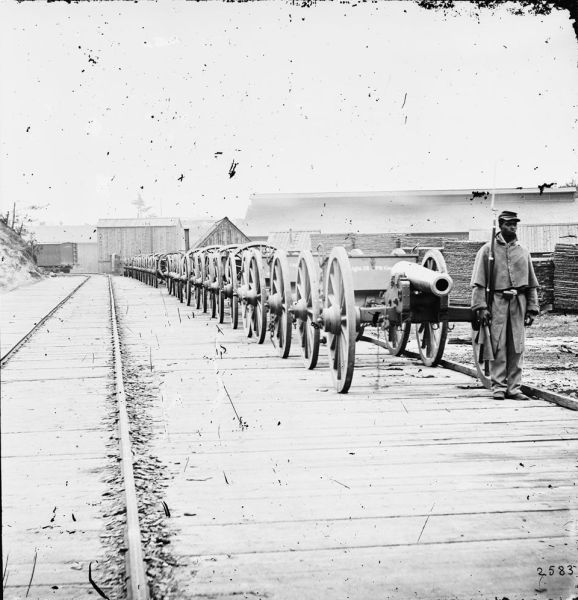
Photograph 1
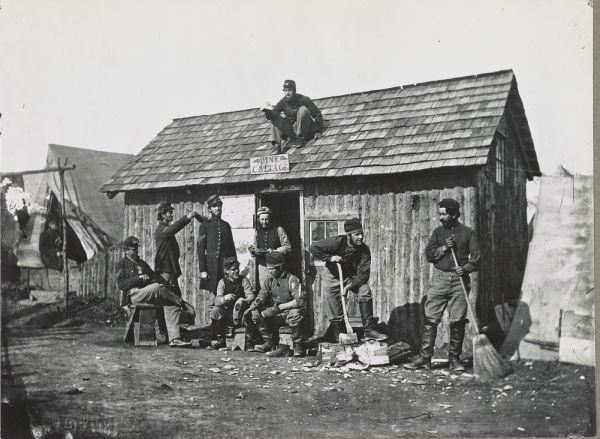
Photograph 2
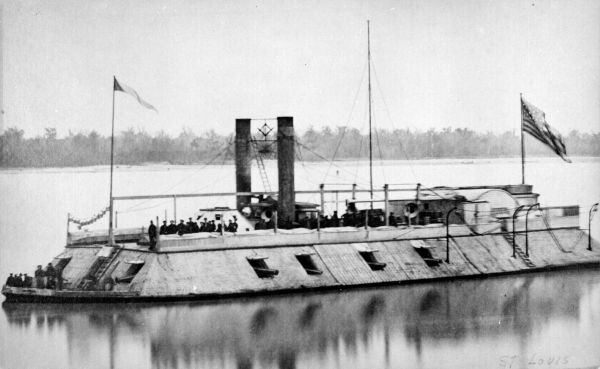
Photograph 3
Record your questions about the Civil War photographs in the class list.

When reviewing the class list, highlight questions that focus on understanding what is happening in the moment of each photograph and how those moments connect to the larger Civil War. Help students understand that forming questions about photographs can deepen historical understanding by asking: What details stand out to you in these images? What do these photographs help you understand about life during the Civil War? and What questions do these images raise that the photograph alone cannot answer?
During the Civil War, photography became more widely used than ever before. For the first time, images captured real scenes from a war and could be shared with people far from the fighting.
How do you think the development of photography changed the way people recorded and remembered conflict? Why is that change significant?
When reviewing student responses to the discussion wall, highlight answers that recognize photography as capturing real people, places, and moments in ways that were not possible in earlier conflicts, and that note how this changed what could be remembered or shared about war. Then ask: How can the development of photography help us learn about other types of technology that were used during the Civil War? Use student responses to surface the idea that photographs can reveal clues about weapons, transportation, communication, medicine, and daily life, helping historians understand how different technologies shaped the war.
In this experience, you will learn how new inventions shaped the Civil War by changing how people communicated, moved supplies and troops, and fought battles, and why these technological changes mattered to the outcome of the conflict.
Objectives: