Add a Curriculum Bundle to Your Account!
Please select a bundle.




The Pack contains associated resources for the learning experience, typically in the form of articles and videos. There is a teacher Pack (with only teacher information) and a student Pack (which contains only student information). As a teacher, you can toggle between both to see everything.
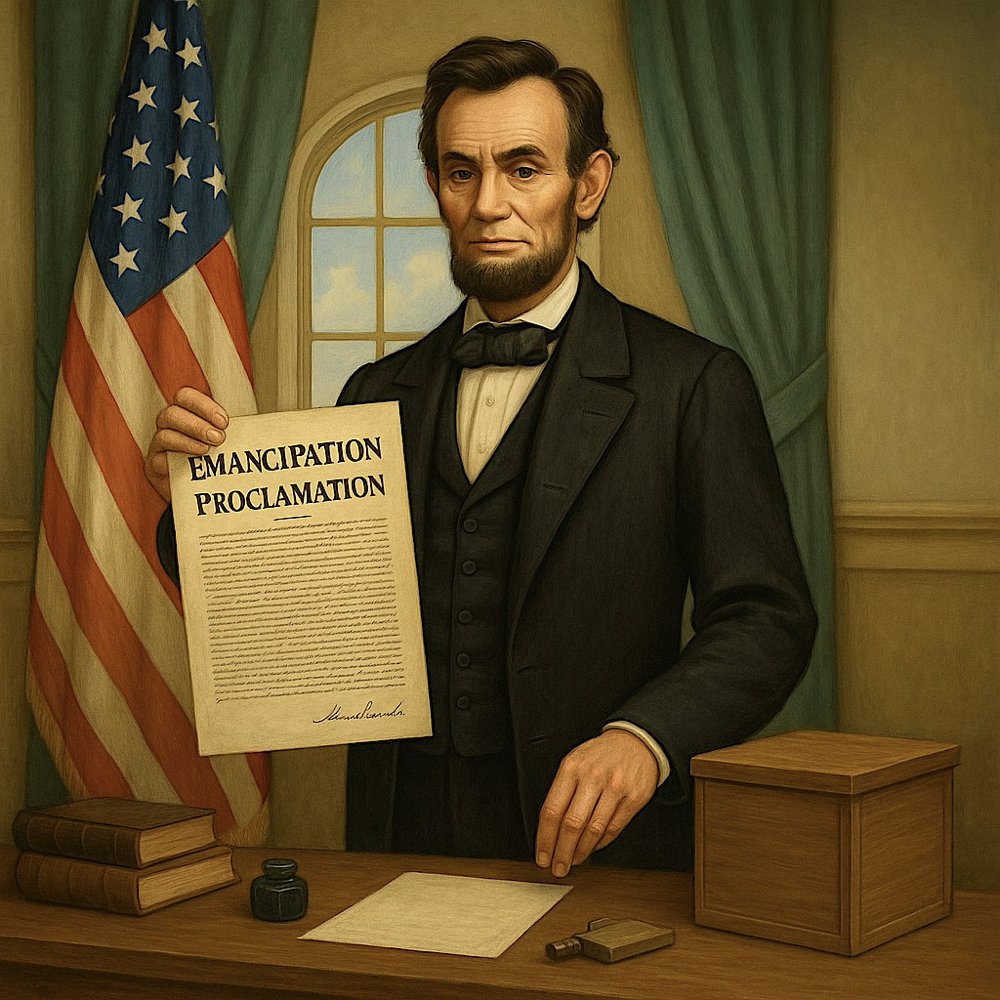
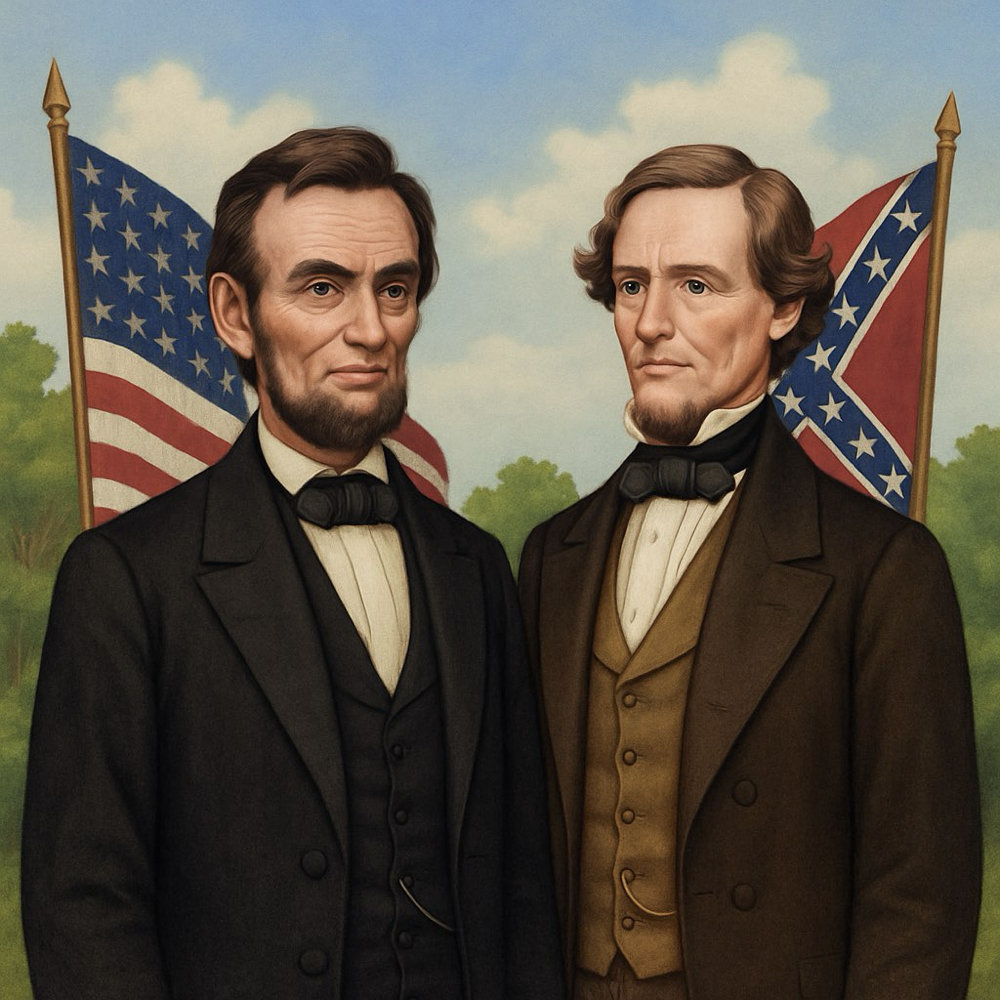
Here are the teacher pack items for Lincoln and Davis:


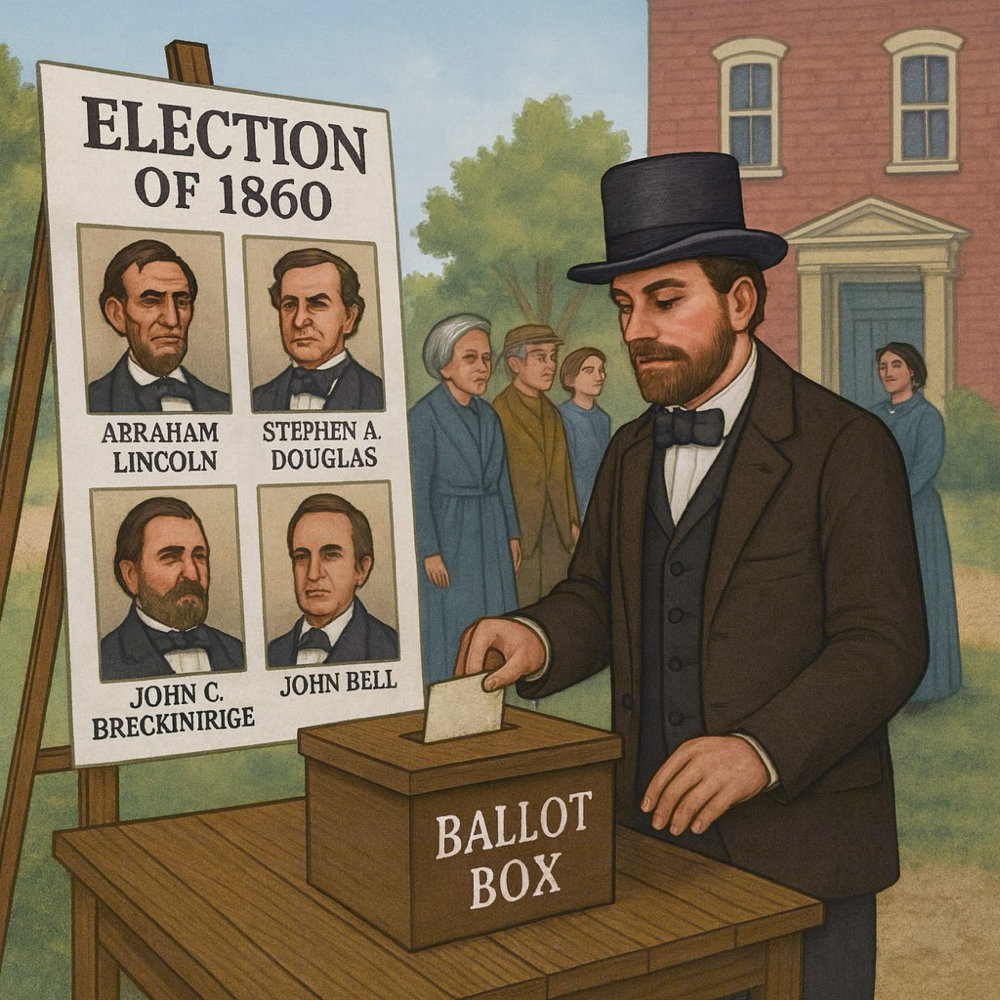
Overview In this experience, students analyze how Abraham Lincoln and Jefferson Davis justified competing visions for the nation in 1861 by examining speeches, political imagery, and symbols of authority. First, students reflect on what they can infer about Jefferson Davis’s beliefs based on his selection as president of the Confederacy and compare those ideas with what they already know about Abraham Lincoln. Next, students closely read excerpts from both inaugural addresses to identify key language related to rights, authority, conflict, and legitimacy, and use that evidence to develop each leader’s overall vision for the country. Then, students examine a political cartoon to analyze perspective, bias, and regional viewpoints during the Civil War. The Elaborate scene invites students to analyze Confederate currency as a symbol of legitimacy and sovereignty and to consider how the Confederacy justified its cause. Finally, in the Evaluate scene, students write a paragraph explaining how Lincoln and Davis each justified the actions they believed their governments should take and why these competing justifications marked a critical turning point in the United States. Estimated Duration: 60–75 minutes Vocabulary Words and Definitions: Objectives:
In this experience, students will work in groups in Explore and Explain scenes. The Explore scene places greater demands on reading and source analysis, so consider grouping students in ways that support comprehension, shared sensemaking, and sustained engagement with the text.
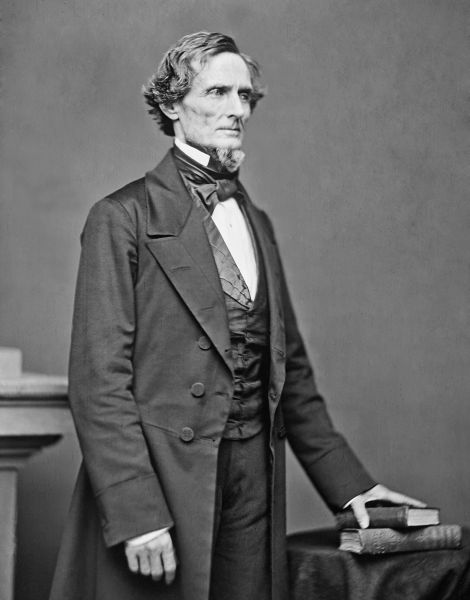
Jefferson Davis
Throughout history, political leaders have left behind public speeches as part of the historical record. These speeches are one type of source historians examine when studying moments of significant change. Think about how leaders might use words and language in these moments, then share your ideas in the discussion wall.
How can a leader’s speeches help convince people that their government or cause is legitimate?
When reviewing responses to the discussion wall, guide a conversation about how leaders use speeches during times of political change by asking: Why might Jefferson Davis, as president of the Confederate States of America, need to convince people that his government was legitimate? What challenges would a newly formed government face in gaining support or loyalty? Then, extend the conversation by asking: How might these needs differ from those faced by Abraham Lincoln as president of the United States? How could the different positions of the Union and the Confederacy shape the messages each leader needed to communicate?
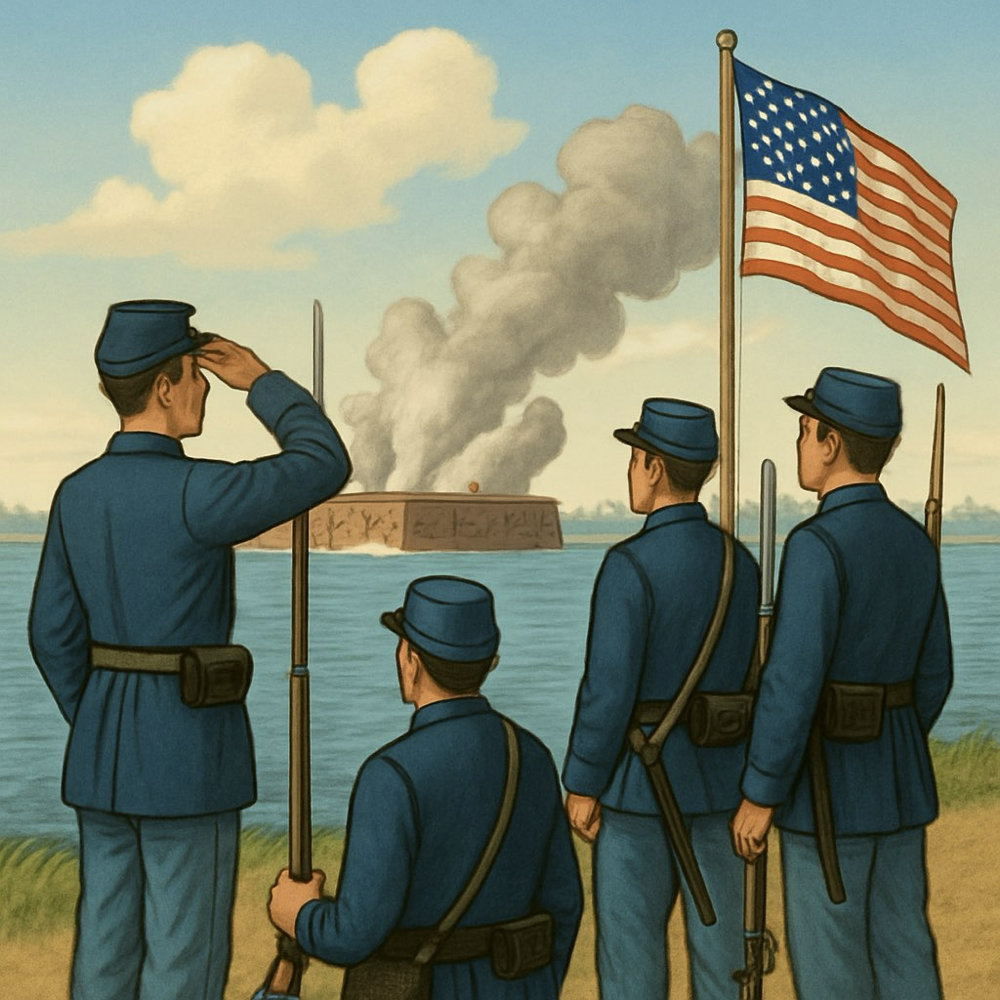
In this experience, you will learn how Abraham Lincoln and Jefferson Davis used words and ideas to describe very different visions for the nation and to defend their leadership as the country moved toward civil war.
Objectives: