Add a Curriculum Bundle to Your Account!
Please select a bundle.




The Pack contains associated resources for the learning experience, typically in the form of articles and videos. There is a teacher Pack (with only teacher information) and a student Pack (which contains only student information). As a teacher, you can toggle between both to see everything.
Here are the teacher pack items for Impacts of the War in the North:

Overview In this experience, students examine how the Civil War reshaped life, work, and political attitudes in the North by exploring civilian participation, wartime change, and conflict on the home front. First, students reflect on how they think the Civil War may have changed everyday life for people living in the North and share predictions in a discussion wall. Next, students investigate how civilians participated in the war effort on the Northern home front by analyzing changes in labor, women’s roles, community support, and conscription. Then, students explain how the war affected the North by identifying and discussing economic changes and shifts in political power and public opinion during the war. Finally, the Elaborate scene invites students to explore the New York City draft riots to examine conflict, division, and differing understandings of the war within Northern society. Estimated Duration: 45–60 minutes Vocabulary Words and Definitions Objectives:
Before beginning the experience, review the term home front to ensure students remember that it refers to the civilian population and activities of a nation during wartime. Reminding students of this definition will support their understanding of how life changed for civilians at home during the Civil War.
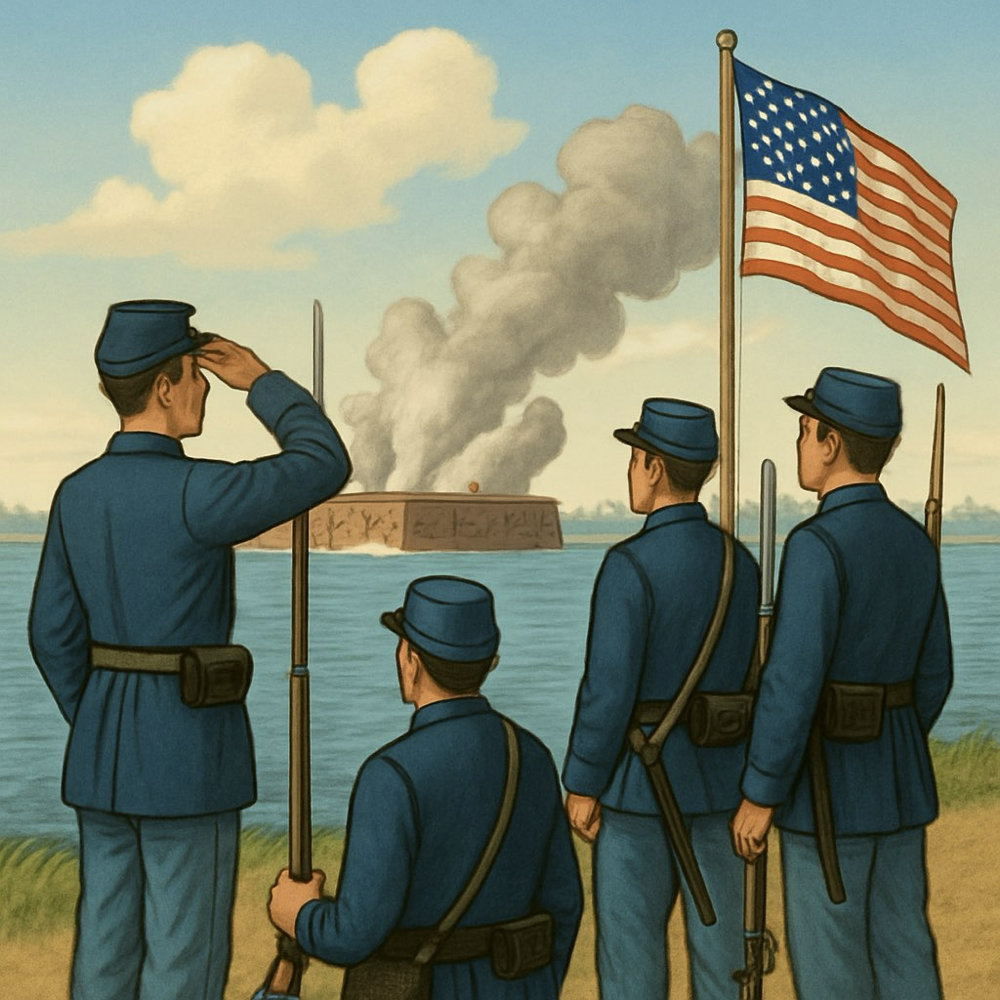
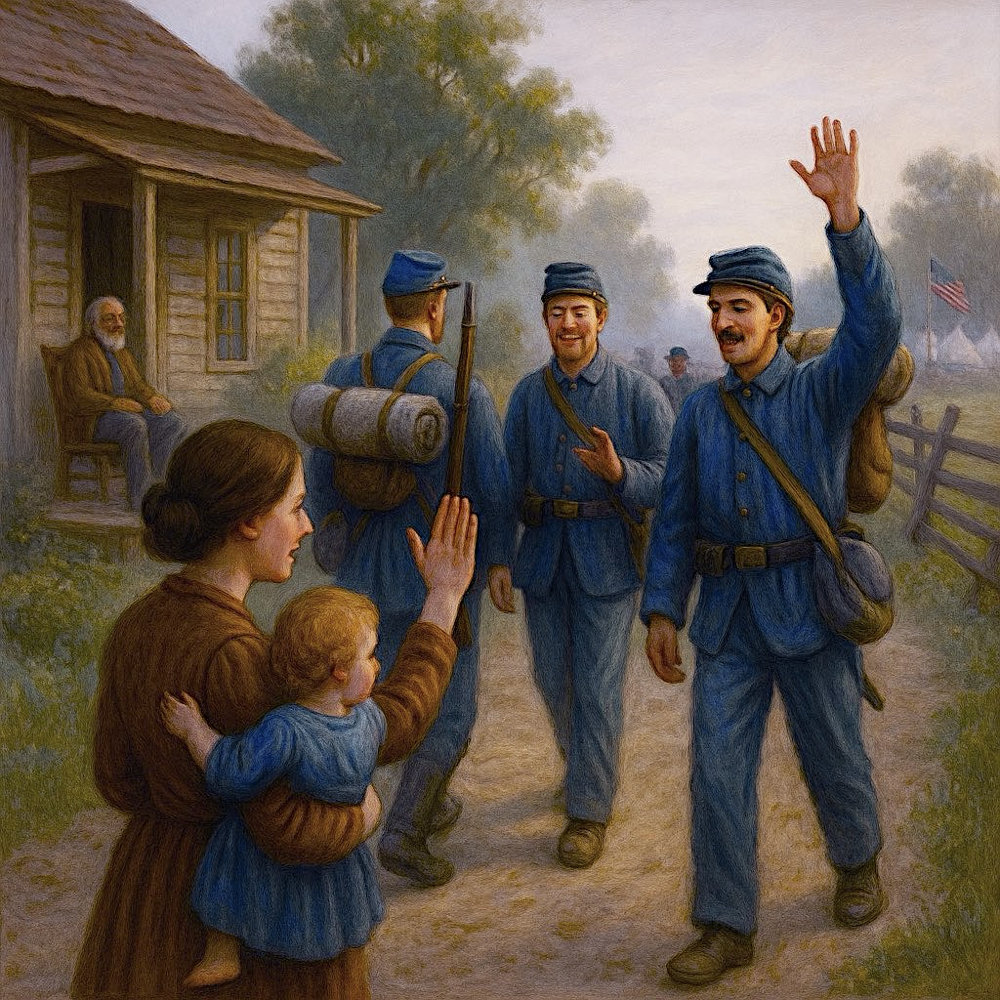
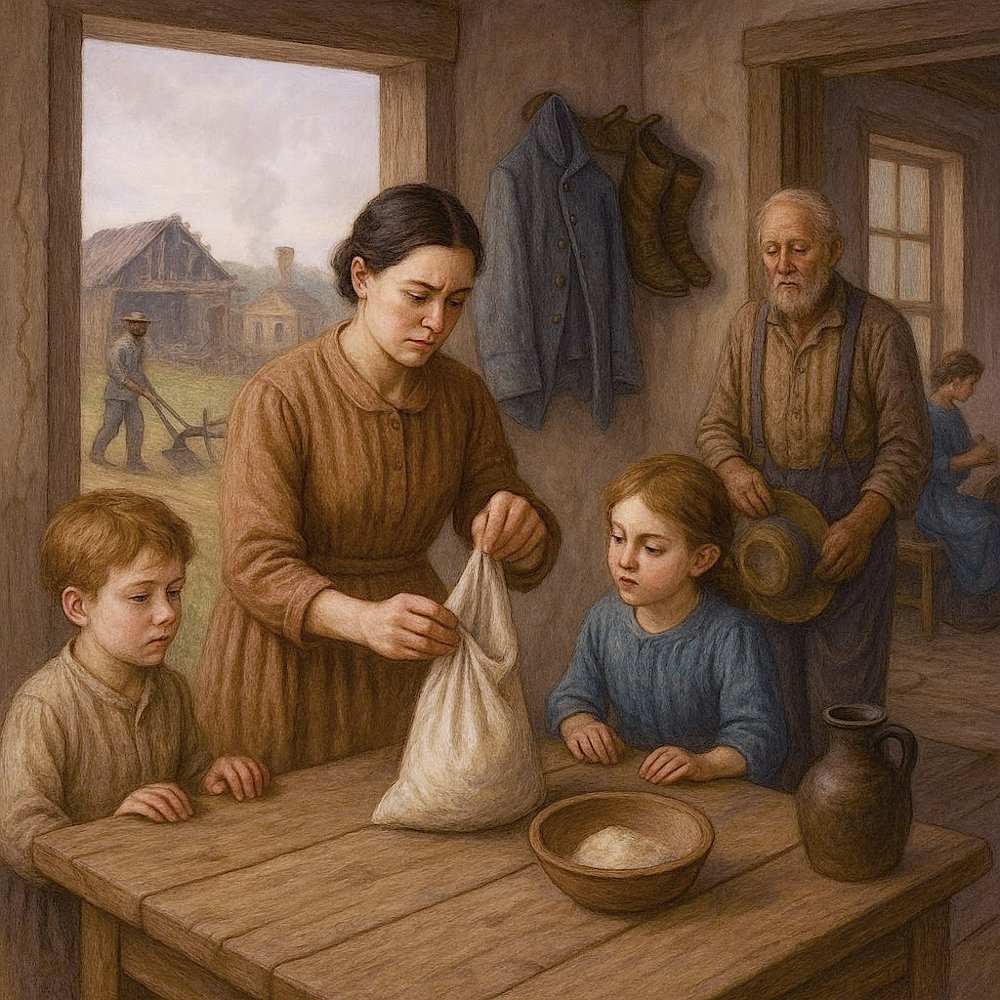
The Civil War was not experienced only by soldiers. Across the northern states, people went about living their lives while the war continued elsewhere. Civilians were connected to the conflict even when they were far from the fighting.
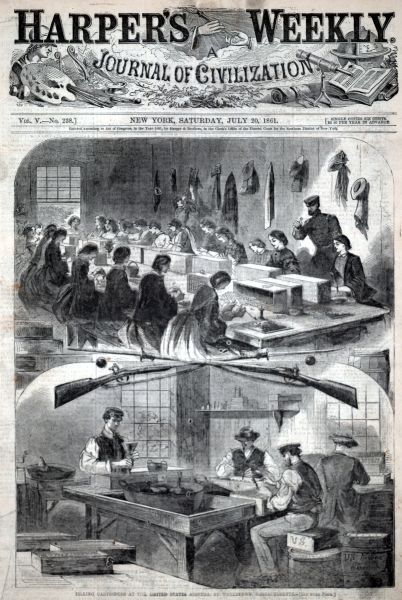
A 1861 Harper’s Weekly magazine cover showing men and women making bullets for the Union army
How do you think the Civil War might have changed everyday life for people living in the North? Make at least TWO predictions that answer the question. Be sure to explain the reasoning for your predictions.
When reviewing student predictions, guide a conversation that helps students move from broad ideas about war to more specific thinking about daily life in the North. Invite a few students to share one prediction and explain their reasoning. Ask: What makes you think this change would affect people living in the North? and Who do you imagine experiencing this change most directly? Use these questions to press students to connect their predictions to people’s everyday experiences rather than abstract ideas about war.
In this experience, you will learn how the Civil War shaped life in the North by examining how civilians responded to the conflict through their work, their choices, and their views about the war.
Objectives: