Add a Curriculum Bundle to Your Account!
Please select a bundle.




The Pack contains associated resources for the learning experience, typically in the form of articles and videos. There is a teacher Pack (with only teacher information) and a student Pack (which contains only student information). As a teacher, you can toggle between both to see everything.
Here are the teacher pack items for Lincoln’s Second Inaugural Address:


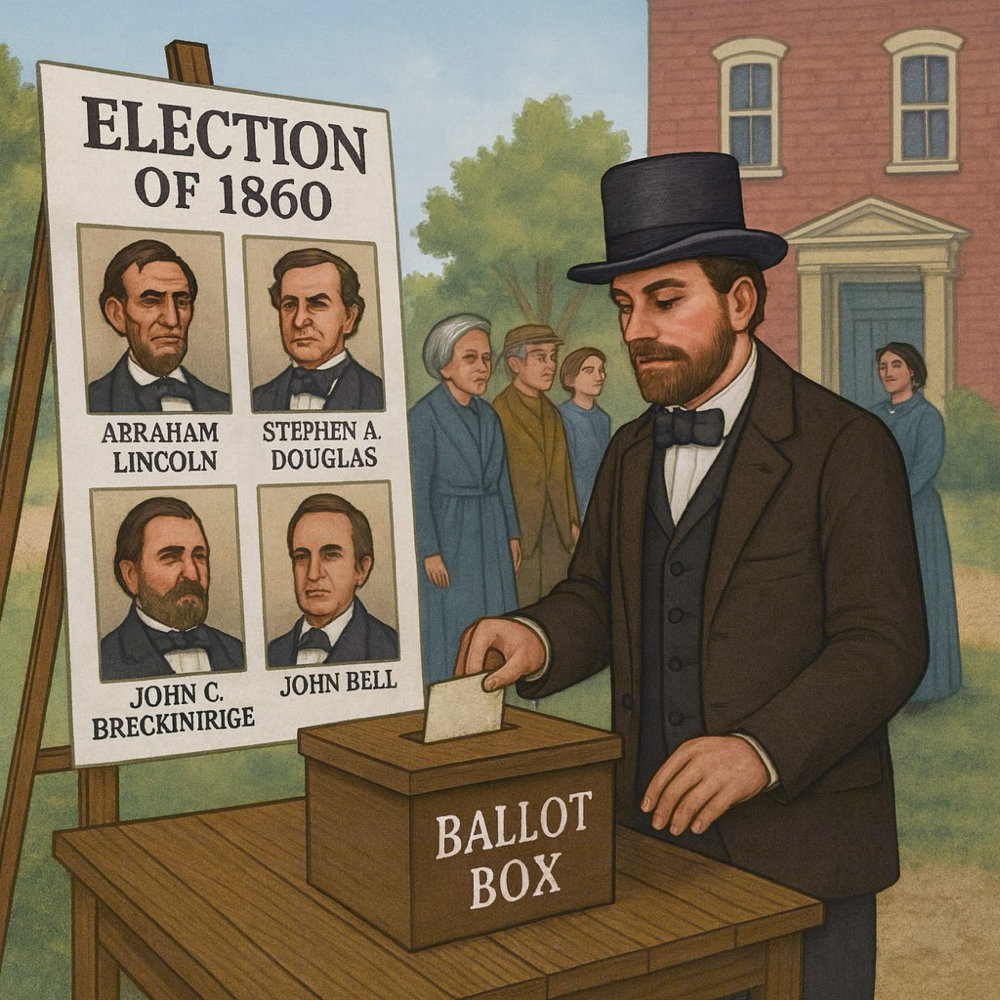
Overview In this experience, students examine how Abraham Lincoln’s Second Inaugural Address reflected the challenges of leadership, unity, and reconciliation at the end of the Civil War. First, students consider how leaders can help bring people together during or after conflict and explore how words and actions can either ease tensions or deepen division. Next, students learn about the Election of 1864 to understand why Lincoln’s re-election was uncertain, how political divisions and battlefield events shaped public opinion, and how the soldier vote and absentee voting played a critical role in the outcome. Then, students closely read Lincoln’s Second Inaugural Address to analyze how he described the war, its cost, and how Americans should respond to its effects, paying attention to his careful word choice and message of responsibility and healing. Finally, the Elaborate scene invites students to examine contrasting reactions to Lincoln’s address and evaluate what those responses reveal about the nation’s readiness and willingness to reunite and move forward after the war. Estimated Duration: 45–60 minutes Vocabulary Words and Definitions Objectives:
This experience is designed as a sustained examination of a single, complex primary source to explore how historical meaning is shaped through language, perspective, and context. Lincoln’s Second Inaugural Address provides insight into how a national leader interpreted an ongoing crisis and how Americans responded to that interpretation at the time. This experience helps students recognize that primary sources can act as records of facts and events while also revealing how people understood their world at the time.
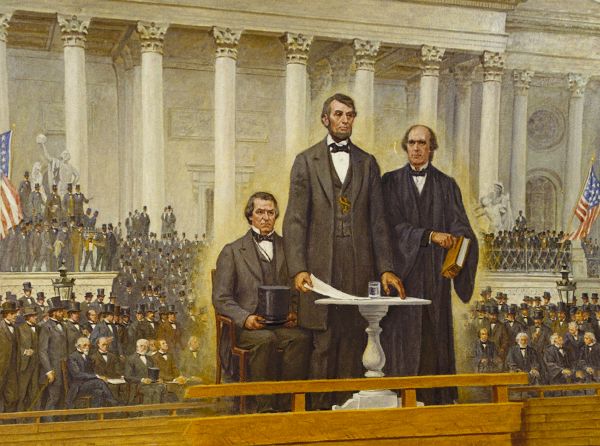
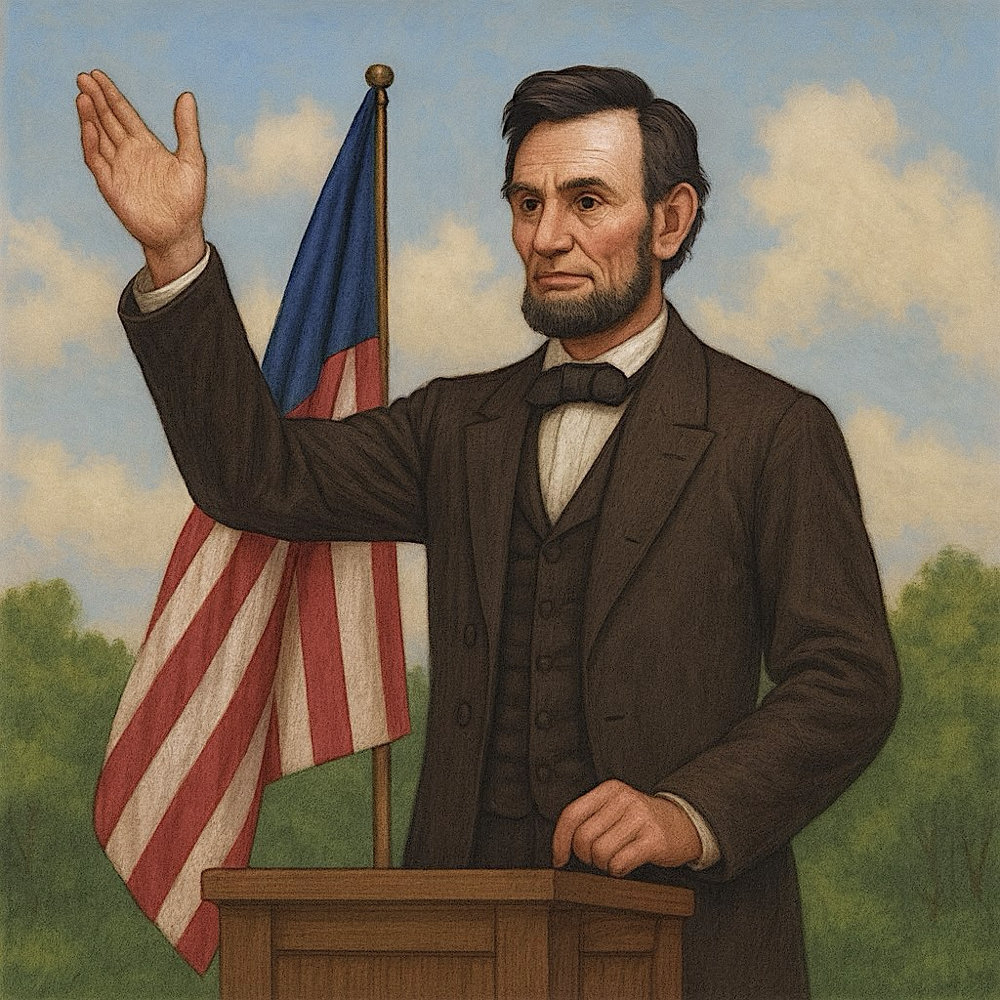
Abraham Lincoln’s Second Inaugural Address
In times of conflict, people often look to leaders for guidance and reassurance. Consider how words and actions can influence unity or division, and then add your thoughts to both discussion walls.
How can a leader help bring people together during or after a conflict?
What kinds of words or actions might encourage peace instead of further division?
When reviewing student responses to the first discussion wall, guide a conversation that helps students think broadly about the role of leadership during times of conflict. Press students to move beyond naming traits and toward explaining how leaders’ words or actions can bring people together. Ask: How might a leader’s tone or choices affect how people feel during a conflict? and Why might people look to leaders for guidance when a situation feels uncertain or divided? Use student responses to surface ideas about trust, responsibility, and the power of leadership to shape public attitudes.
In this experience, you will learn how Abraham Lincoln’s leadership was shaped by wartime elections and how his Second Inaugural Address explained the cost of the Civil War while calling the nation to move forward together.
Objectives: