Add a Curriculum Bundle to Your Account!
Please select a bundle.


The Pack contains associated resources for the learning experience, typically in the form of articles and videos. There is a teacher Pack (with only teacher information) and a student Pack (which contains only student information). As a teacher, you can toggle between both to see everything.
Here are the teacher pack items for European Colonization:


Overview In this experience, students examine Spanish, French, and Dutch colonization of North America by evaluating cause-and-effect relationships and considering how their efforts to colonize reflect the original goals for European exploration. First, students consider why countries would want to establish and control distant colonies. Next, students evaluate a secondary source to identify the reasons that Spain, France, and the Netherlands created colonies in North America. Then, they examine how the colonization of those countries impacted indigenous people. Finally, students are invited to explore the Dutch colony of New Netherland and consider how its establishment impacted the environment and people of the region. Estimated Duration: 45–60 minutes Vocabulary: Objectives:
This experience focuses only on Spanish, French, and Dutch colonization. English colonization is addressed in a separate experience to help students better understand each group’s goals and impact. Because English colonies later became the foundation of the United States, they are explored in greater depth on their own.
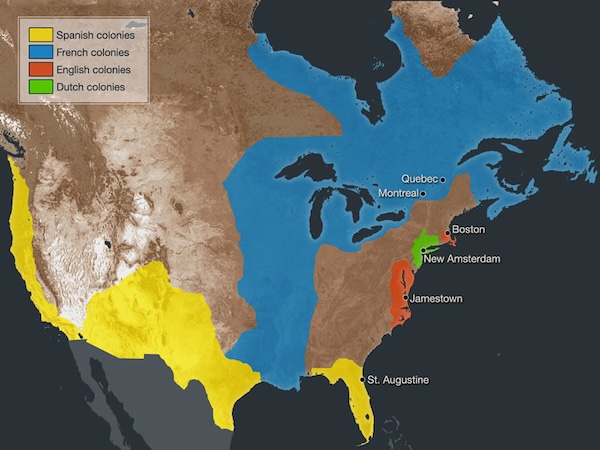
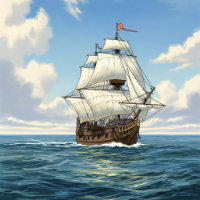
Once Europeans started exploring the Americas, they began to establish colonies on the two continents. A colony is a land controlled by a foreign country and occupied by people who have settled there from that country.
Why would countries want to create colonies in newly explored lands?
As students share their responses to the discussion wall, highlight answers that recognize colonies could provide countries with access to valuable resources, new trade opportunities, and greater political influence. Then ask: What challenges might a country face when trying to establish a colony far from home? After discussing those ideas, ask: Why might a country decide the benefits of colonization were worth those challenges? Press students to consider how the potential for wealth, power, and influence could motivate countries to overcome the risks and difficulties of creating colonies.
Like exploration, European powers share some similarities, but also differ, in their reasons for developing colonies in the Americas. In this experience, you will learn about the reasons some European nations colonized North America and the lasting impacts it had on the Indigenous people living in the areas Europeans colonized.
Objectives: