Add a Curriculum Bundle to Your Account!
Please select a bundle.


The Pack contains associated resources for the learning experience, typically in the form of articles and videos. There is a teacher Pack (with only teacher information) and a student Pack (which contains only student information). As a teacher, you can toggle between both to see everything.
Here are the teacher pack items for Enslavement in the Colonies:

Overview In this experience, students describe the experiences of enslaved Africans on the Middle Passage and in the colonies by analyzing primary and secondary sources. They examine the growth of the transatlantic slave trade and the role enslaved people played in the economies of the colonies. First, students reflect on why it is important to learn about the lived experiences of enslaved people in the colonies. Then, they connect the characteristics of chattel slavery to the origins of the transatlantic slave trade, and examine the conditions for enslaved people on the Middle Passage. Next, students examine life and conditions for enslaved Africans in the colonies by evaluating a secondary source text with primary source images. Finally, students are invited to engage in Olaudah Equiano’s first-hand account of boarding a slave ship and connect it to a primary source image to gain a deeper understanding of the conditions on the Middle Passage. Estimated Duration: 55–65 minutes Vocabulary: Objectives:
Students will have already learned about cash crops in the Trade and Profit experience. As they explore the role of enslaved Africans in the colonies, remind them that many colonial economies, especially in the South, depended on cash crops like tobacco, rice, and indigo. Using enslaved people as unpaid labor increased profits for plantation owners and helped sustain the colonial economy.
This topic involves discussions of human exploitation, violence, and injustice. Some students may have personal, familial, or cultural connections to the history of slavery. Establish a respectful and empathetic classroom environment before beginning, and remind students that learning about difficult histories helps us understand how injustice operates and how people have resisted and survived it. Consider previewing sensitive vocabulary, offering optional reflective journaling, or setting clear norms for respectful discussion.
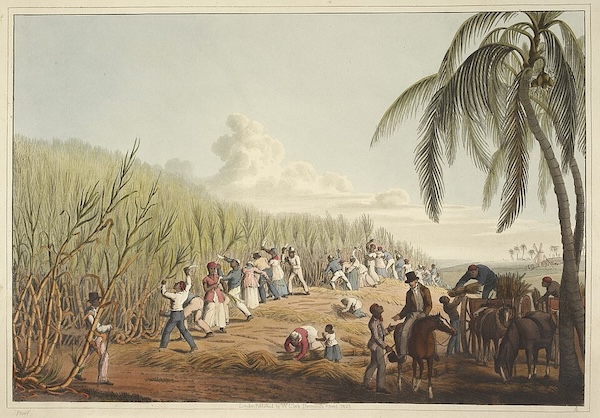
The transatlantic slave trade was one of the most brutal systems of forced migration in human history. Millions of Africans were captured, sold, and trafficked across the Atlantic Ocean under horrific conditions.
Consider how the experiences of enslaved Africans shaped colonial life and why those experiences still matter today. Then, use complete sentences to answer the question.
Why is it important to learn about the lives and experiences of enslaved peoples in the colonies?
This opening question is designed to help students begin thinking about why the experiences of enslaved Africans in the colonies are important to study. Encourage students to approach the question thoughtfully, even if they do not have many details yet. Let them know they will build a deeper understanding throughout the experience, but this is a chance to consider the significance of learning about voices and perspectives that were often left out of traditional histories.
In this experience, you will learn about the characteristics of chattel slavery and the origins of the transatlantic slave trade, the journey known as the Middle Passage, and the experiences of enslaved Africans in the colonies.
Objectives: