Add a Curriculum Bundle to Your Account!
Please select a bundle.

The Pack contains associated resources for the learning experience, typically in the form of articles and videos. There is a teacher Pack (with only teacher information) and a student Pack (which contains only student information). As a teacher, you can toggle between both to see everything.
Here are the teacher pack items for Comparing the Colonial Regions:

Overview In this experience, students explore how geography and founding goals shaped life in the New England, Middle, and Southern colonies. First, they examine the physical characteristics of each region. Next, they analyze regional economies and daily life, connecting those human characteristics to the land and climate. Then, students explain how differences across regions helped shape the development of colonial society. Finally, students are invited to compare regional governments through adapted charter excerpts. Estimated Duration: 45–60 minutes Vocabulary: Objectives:
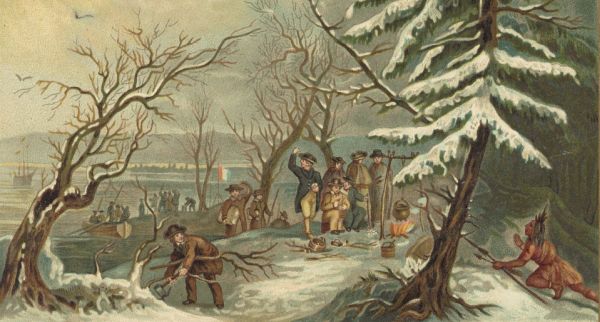
Across the world and throughout history, people have built many kinds of communities. In some places, towns are close together. In other places, homes are far apart. The work people do, the food they grow, and how they meet their needs can vary a lot from place to place.
Use complete sentences to answer the discussion question.
How do you think the land and climate of a place affect the way people live, work, and build their communities?
If you need help answering, think about how geography affects the place you live.
Encourage students to think about patterns they have noticed in real life or in past learning. Ask: How do you think people's daily lives might change over time as they adapt to where they live? If students mention crops, clothing, housing, or transportation, prompt them to connect those ideas to location or weather. Then ask: What challenges might people face if they could not adapt to their environment? Highlight responses that show an understanding that communities must adapt to their environment to meet their needs, use available resources, and survive over time. This conversation builds the foundation for comparing how different colonial regions developed.
In this experience, you will explore three English colonial regions in early North America. You will examine how each region developed over time and how different places created different ways of living. As you learn, pay attention to how the land and climate of each region influenced the choices people made and the communities they built.
Objectives: