Add a Curriculum Bundle to Your Account!
Please select a bundle.



The Pack contains associated resources for the learning experience, typically in the form of articles and videos. There is a teacher Pack (with only teacher information) and a student Pack (which contains only student information). As a teacher, you can toggle between both to see everything.
Here are the teacher pack items for English Colonization:

Overview In this experience, students examine the development of the English colonies by exploring the reasons for colonization and comparing early settlement efforts. First, they consider why the English began establishing colonies and investigate the failure of Roanoke. Next, they explore the goals and outcomes of Jamestown and Plymouth, identifying different motivations such as profit and religious freedom. Then, they analyze how their founding purposes influenced each colony’s success. Finally, the Elaborate scene invites students to explore a primary source to deepen their understanding of English arguments for colonization. Estimated Duration: 45–60 minutes Vocabulary: Objectives:
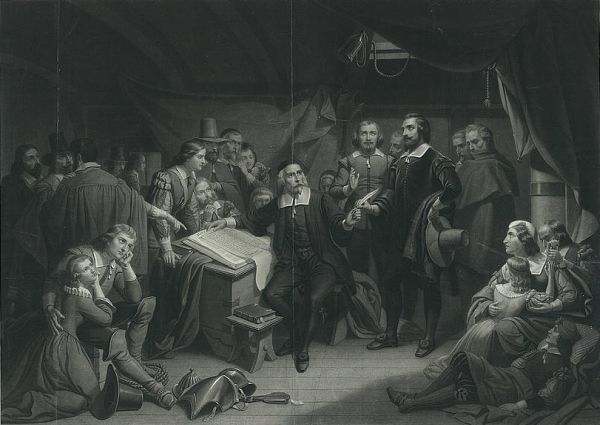
Starting something new is rarely easy, especially when it means leaving behind your home and everything familiar. In the late 1500s and early 1600s, the English made several early attempts to start colonies in North America. Some of these efforts, like Roanoke, ended in mystery or failure. Others, like Jamestown and Plymouth, eventually grew into lasting communities.
The first English attempts to start colonies in North America didn’t always work. What do you think might cause a new colony to fail or succeed?
As students share their responses to the discussion wall, highlight answers that recognize many factors can influence whether a colony succeeds or fails, including leadership, available resources, relationships with Indigenous peoples, and the surrounding environment. Then ask: Why might two colonies with similar goals have very different outcomes? Press students to consider how decisions, geography, and interactions with others can shape a colony's success or failure. This discussion introduces the idea that the success or failure of a colony was rarely determined by a single factor, preparing students to investigate why some early English colonies struggled while others became permanent settlements.
Scene 1 is meant to get students curious about early English colonization. The goal is to explore what makes a colony succeed or fail.
Before England established lasting colonies in North America, it had to overcome many challenges and make difficult decisions about where, why, and how to settle. The successes and failures of these early colonies influenced the development of future English settlements.
In this experience, you will explore what made the English want to start colonies, why some efforts worked while others didn’t, and how these early experiences shaped the development of the thirteen colonies.
Objectives: