Add a Curriculum Bundle to Your Account!
Please select a bundle.


The Pack contains associated resources for the learning experience, typically in the form of articles and videos. There is a teacher Pack (with only teacher information) and a student Pack (which contains only student information). As a teacher, you can toggle between both to see everything.
Here are the teacher pack items for Europe: History and Its Influence: Europe and the World Wars:

Overview In this experience, students examine Europe during the first half of the twentieth century, beginning with the causes and major developments of World War I. They then explore the conditions that helped Hitler and the Nazi Party rise to power after the war and investigate key causes, events, and impacts of World War II. Finally, students study the Holocaust through both an overview and Anne Frank’s experience, using historical evidence to consider how larger political decisions affected individuals and families. It is impossible to cover both world wars in one experience in any real detail. This experience is designed as an overview. As you advance through the experience with students, emphasize the connection between causes and effects. Objective:
The first half of the twentieth century was shaped by two major global conflicts: World War I and World War II. Much of the fighting took place in Europe, but the wars involved countries, colonies, soldiers, and civilians from many parts of the world.
The wars changed national borders, governments, economies, cities, and the lives of millions of people. They also contributed to major political and social changes that continued long after the fighting ended.
In this experience, you will examine the causes and effects of the two World Wars and consider how these conflicts reshaped Europe and its relationship with the wider world.
Objective:
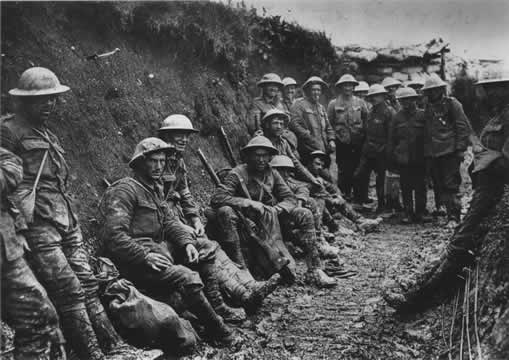
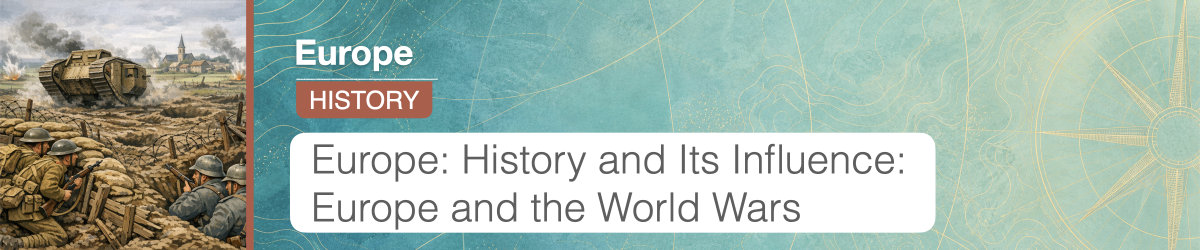
Soldiers Fighting in World War I
What do you already know about the two World Wars? What questions do you have about the two World Wars?

Review a few student responses from the chart and look for patterns in what students already know and what they are unsure about. Students may mention countries involved, major battles, causes, leaders, the Holocaust, new technologies, or the effects of the wars. Do not correct every response or answer all questions at this point. Clarify only major misconceptions that could interfere with the lesson. Explain that students will return to these ideas as they examine the causes, major developments, and effects of both World Wars.
When everyone is ready to continue, unlock the next scene.


