
By early April 1865, the Civil War was nearing its end. Union victories at Fort Stedman and Five Forks forced Confederate General Robert E. Lee to leave the Richmond and Petersburg lines. Lee hoped to move southwest, gather food, and join other Confederate forces. Instead, Union troops moved quickly to block his path. When Lee reached Amelia Court House, the food he expected was not there. His soldiers were hungry and exhausted, and the army lost valuable time while searching the countryside for supplies. As Union forces advanced, Lee moved west to the village of Appomattox Court House.
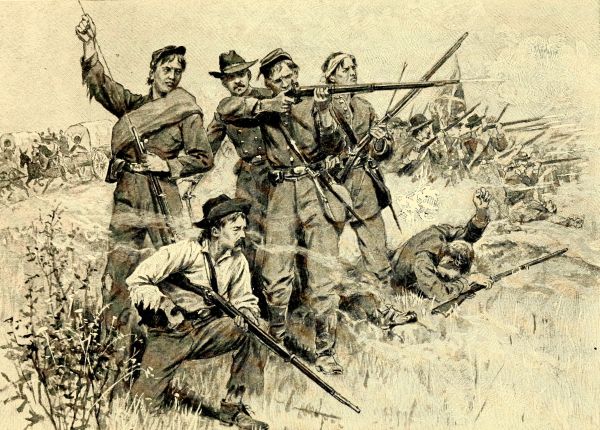
On the morning of April 9, Confederate troops made a final attempt to break through Union lines near Appomattox. At first, the attack pushed back the Union cavalry guarding the road west. However, Union infantry soon arrived and surrounded Lee’s army. Fighting continued for several hours as Confederate soldiers realized they were outnumbered and nearly trapped. With no way out and his men low on food, Lee felt that fighting on would only lead to more suffering.
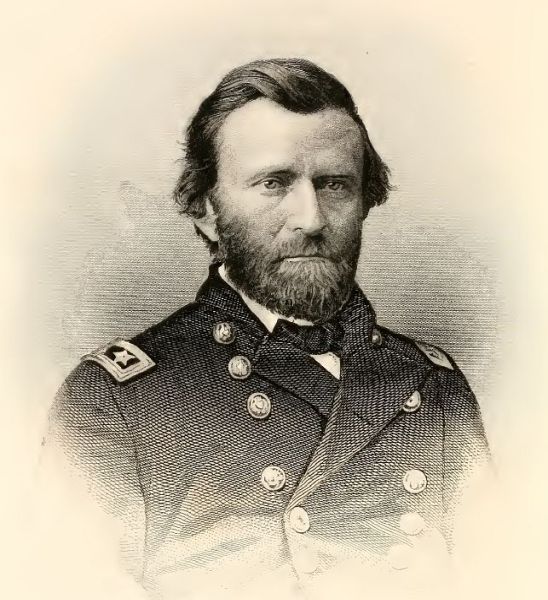
Later that day, Lee surrendered the Army of Northern Virginia to Union General Ulysses S. Grant. The two commanders met in the home of Wilmer McLean. Grant suggested terms to end the fighting and avoid more bloodshed. Confederate soldiers were required to stack their weapons and return public property. Officers could keep their sidearms, and soldiers were allowed to keep private horses. All men signed paroles promising not to fight again and were allowed to return home if they obeyed the law.
Although Appomattox did not end the war everywhere, it became a major turning point. The Grant-Lee agreement showed how future surrenders would work. Confederate soldiers were paroled instead of imprisoned. Union troops were instructed not to celebrate or insult their former enemies. These choices helped reduce violence as armies laid down their arms.
After Appomattox, other Confederate commanders followed the same pattern. General Joseph E. Johnston soon sought surrender terms for his army, using Appomattox as a guide. More surrenders followed across the South. Fighting went on in some areas for weeks. However, Appomattox proved the Confederacy couldn't keep the war going, and shaped how the war ended.
