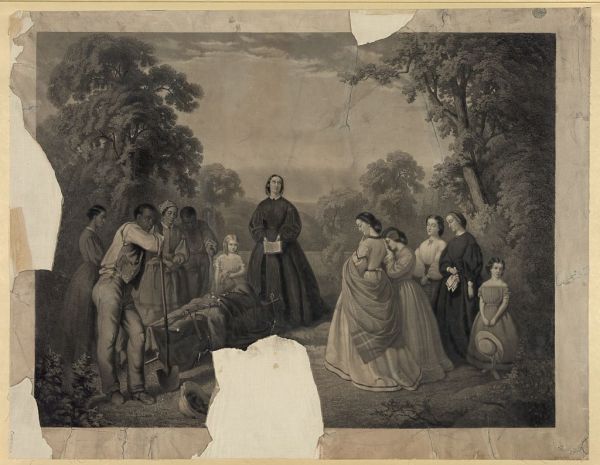
During the Civil War, life in the South changed in ways that affected nearly everyone. The war reached into homes, farms, towns, and cities, making daily life harder and more uncertain as the fighting continued. Civilians faced shortages of food, clothing, fuel, and basic goods. Prices rose, government demands increased, and fear grew as the conflict continued. Over time, these pressures caused many people in the South to question the war and the leaders fighting it.
One of the most immediate changes was the struggle to meet basic needs. Food such as bread, flour, meat, and salt became difficult to find. Clothing and shoes were also scarce, and families struggled to get fuel like firewood for heat and cooking. Union blockades limited trade, and battles destroyed farms, roads, and bridges. Armies seized food and livestock, burned fences, and turned homes into hospitals. In cities, overcrowding and inflation made everyday survival difficult. Families often had to rely on substitutes for familiar items like coffee and sugar or go without entirely.
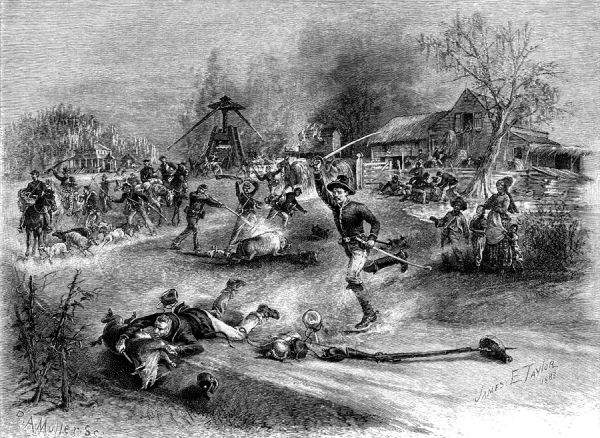
Economic problems played a major role, but they were only part of a larger picture. The Confederate government printed large amounts of paper money to pay for the war. This caused severe inflation, which made prices rise rapidly while wages stayed low. As money lost value, families struggled to afford food and other necessities. Government policies like food impressment and crop taxes took supplies from civilians. This often left families with very little.
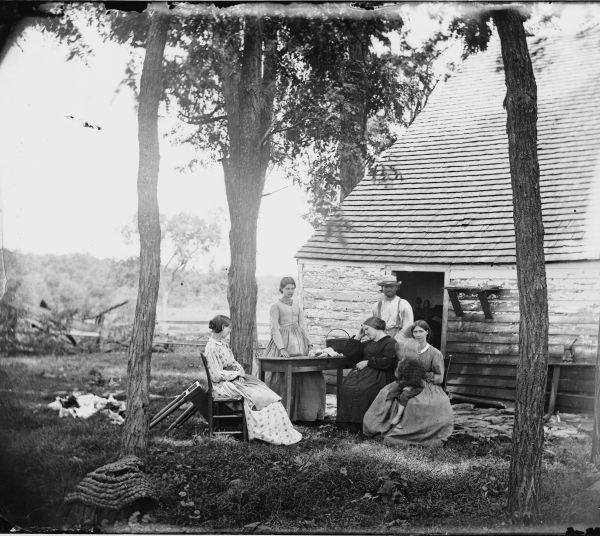
The war also reshaped work and family life. With so many men away fighting, women and children took on new responsibilities. Women managed farms, shops, and households while also caring for families under stressful conditions. Children worked to help support their families, and many grew up quickly as they faced hunger, violence, and uncertainty. Enslaved people faced the war in different ways. Many escaped to Union lines for freedom. Others stayed on farms and plantations, enduring tough conditions.
Government actions affected how people felt about the war. As casualties rose and volunteers fell short, the Confederacy began conscription, or a draft. This policy forced men into military service and caused resentment, especially because wealthier men could avoid service through exemptions or by hiring substitutes. Many poor families felt the war placed an unfair burden on them. Desertion increased as soldiers left the army to return home and care for starving families.
As hardships worsened, morale declined across much of the South. While enthusiasm for the war was strong at first, shortages, inflation, military defeats, and government policies wore people down. Some civilians openly criticized Confederate leaders. Others resisted more quietly. Food riots, protests, and growing opposition revealed deep frustration. By the later years of the war, many people felt exhausted and desperate for peace.
Overall, the Civil War transformed daily life in the South. The pressures of economic strain, government demands, family separation, and constant danger made life at home very tough. These conditions shaped how civilians experienced the war.