
During the Civil War, the fighting happened far from many Northern towns, but the war still shaped daily life on the home front. Civilians in the North participated in the war in many ways, even if they never picked up a weapon. Their work, choices, and actions helped support the Union war effort and connect the battlefield to life at home.
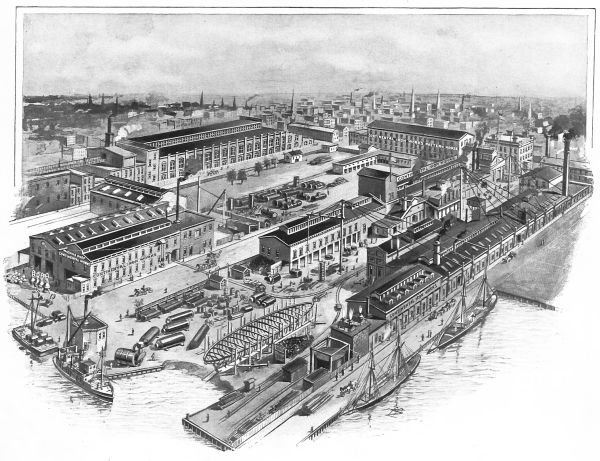
One major way civilians participated was through work that supported the Union war effort. Northern civilians worked in factories that produced uniforms, weapons, and other military supplies. Others labored in coal mines and iron works, helping provide the raw materials needed for wartime production. Railroad and canal workers transported soldiers, food, and supplies across the North, with traffic increasing by more than 50 percent. Business owners expanded production to meet military demand, while workers filled industrial and transportation jobs that connected Northern communities to the war.
Women played a central role on the Northern homefront. Before the war, many women already worked in industries such as textiles and clothing. As men left to join the army, women moved into even more jobs. Their share of the manufacturing workforce increased from one-fourth to one-third. Women also worked in government offices and on farms. At home, they organized soldiers' aid societies, rolled bandages, and raised millions of dollars to support injured troops.
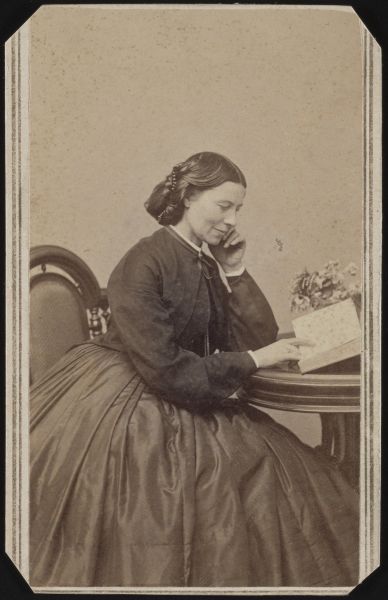
Many women worked directly with soldiers. Northern women volunteered as nurses in hospitals near the front and at home. Dorothea Dix became the first superintendent of women nurses. She also established rules for their service. Clara Barton became well known for caring for wounded soldiers and later helped form the American Red Cross. These women provided medical care, comfort, and supplies, which helped soldiers survive their injuries.
Civilians also supported soldiers emotionally and socially. Early in the war, troops were sent off with public celebrations and cheers. Communities held events to show support, and families wrote letters to maintain connections with soldiers far from home. As the war continued and casualties grew, these connections remained important to many soldiers, who depended on letters and supplies from home.
Another way civilians participated was through military service itself. When volunteers were no longer enough, the government turned to conscription. States were required to meet quotas, and if they could not, men were drafted into service. Some civilians volunteered, others were drafted, and some hired substitutes or paid fees allowed by law. These policies shaped how civilians experienced their responsibility to the war.
Together, these actions show that civilians on the Northern homefront were active participants in the Civil War. They supported the Union war effort through labor, caregiving, and military service. Their daily actions made a visible impact.
