
In the years before the Declaration of Independence, most colonists did not seek separation from Great Britain. They viewed themselves as loyal British subjects who believed they were entitled to the same rights and protections as people living in Britain. As conditions changed after the French and Indian War, colonists increasingly complained that British policies violated those rights. Over time, these grievances accumulated and reshaped how many colonists understood the purpose and legitimacy of British rule.
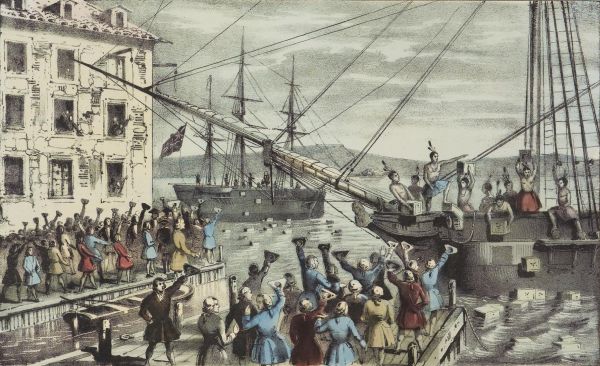
Key Events and Colonial Grievances
The French and Indian War (1754–1763)
Britain’s victory expanded its empire but left it deeply in debt. British leaders argued that the colonies should help pay for defense, while many colonists believed they were being unfairly targeted for costs they had not chosen.New Taxes and Revenue Laws
Parliament imposed new taxes and fees on the colonies. Colonists complained that these measures were imposed without their consent and argued that taxation without representation violated their rights as British subjects.Trade Restrictions and Enforcement
Britain strengthened enforcement of trade laws, limiting colonial commerce and increasing inspections. Colonists argued that these policies interfered with their livelihoods and treated them as economic tools rather than full members of the empire.Colonial Protests and Petitions
Colonists organized boycotts, protests, and formal petitions to protest British actions. They insisted they were defending traditional British liberties, not rebelling against the government.British Military Presence
British troops were stationed in colonial cities to enforce laws and maintain order. Many colonists viewed this as intimidation and complained that military power was being used against civilians.The Intolerable Acts (1774)
Passed after unrest in Massachusetts, these laws closed ports, limited local self-government, and expanded British authority. Colonists across the colonies argued that Britain was punishing entire communities and ignoring long-standing rights.The First Continental Congress (1774)
Colonial leaders met to coordinate a response. They listed grievances against British policies, affirmed loyalty to the king, and demanded that Parliament restore their rights.Outbreak of Armed Conflict (1775)
Fighting between British troops and colonial militias marked a turning point. Colonists increasingly complained that Britain was using force instead of addressing their concerns.The Second Continental Congress (1775)
This body organized colonial defense and debated next steps. Some delegates still hoped for reconciliation, while others argued that British actions showed a deeper failure of government.Petitions Rejected
Colonists appealed directly to the king to address their grievances and restore rights. When these appeals were rejected, many colonists concluded that peaceful solutions might no longer be possible.
By the mid-1770s, colonists were not simply reacting to individual policies. They were questioning whether British government still served its basic purpose. These grievances shaped how colonists interpreted events—and prepared the ground for arguments about rights, authority, and resistance that followed.
