Since the earliest days of the United States, it has been customary for a president to deliver an inaugural address after taking office. George Washington delivered the first inaugural address in 1789, and presidents since have continued this tradition as a means to explain their understanding of their role and the nation's challenges. In 1861, two different inaugural addresses reflected two very different moments in the country’s history.
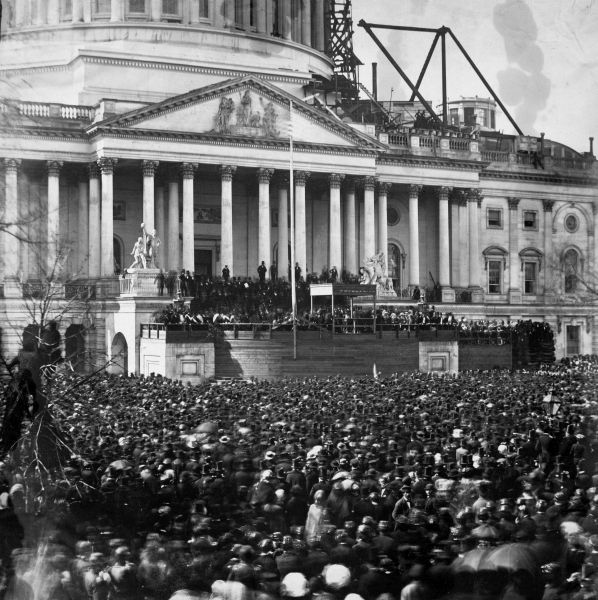
Abraham Lincoln’s Inauguration (1861)
Abraham Lincoln was inaugurated as president of the United States in March 1861 at a moment of national crisis. Several Southern states had already seceded, and the future of the United States was uncertain. Tensions were high as the country waited to see how the new president would respond to the growing divide. The inauguration took place in Washington, D.C., under heavy security as many feared the possibility of violence.
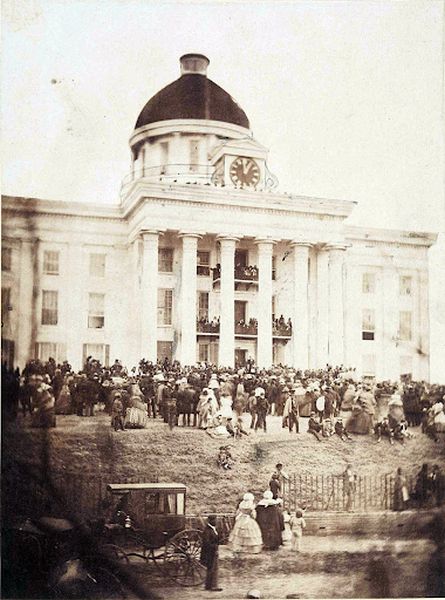
Jefferson Davis’s Inauguration (1861)
Jefferson Davis was inaugurated in February 1861 as President of the Confederacy after Southern states had left the Union and formed the Confederate States of America. The Confederacy was organizing a new government and preparing to operate independently from the United States. Davis’s inauguration marked the formal beginning of this new political system. The event symbolized the Confederacy’s claim to legitimacy as a separate nation.