
The Battle of Antietam changed everyday life in the town of Sharpsburg, Maryland. Before the battle, Sharpsburg was a quiet farming town with about 1,300 people. On September 17, 1862, fighting took place around the town. By the end of the day, more than 23,000 soldiers were dead, wounded, or missing. Although most of the battle happened outside the town, Sharpsburg and its people were deeply affected.
During the fighting, many residents fled their homes, while others stayed and hid. Some families gathered in cellars with thick stone walls to stay safe. Union artillery fired into the town because Confederate forces controlled the area. Shells and bullets hit houses, churches, and public buildings. After the battle, Sharpsburg was nearly empty. Homes were damaged, and few buildings were left untouched. Residents later described the strong smell left by dead soldiers and horses. The land looked different, too, because fences had been destroyed and fields had been torn up.
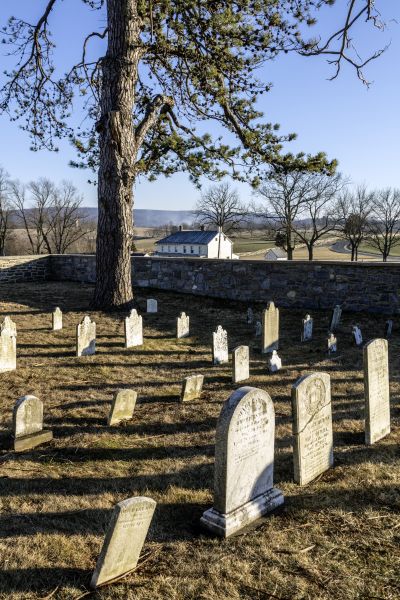
Farming families suffered greatly after the battle. Armies took crops, food, and livestock to feed soldiers and horses. Many homes and barns were used as field hospitals for the wounded. Families lost beds, furniture, clothing, and kitchen items. Horses were especially valuable, and most were taken by the armies. Some farmers tried to hide their horses, but very few remained when the Union Army finally left the area. The soil was damaged by heavy foot traffic and wagons, making it hard to plant crops again.
Even with so much loss, the people of Sharpsburg worked together to recover. Local men helped bury the dead, and women cared for wounded soldiers. Some residents opened their homes to families searching for loved ones. Over time, the town rebuilt. Memorial Day parades began in the 1860s to honor those who died, and they continue today. The shared hardship of the battle helped unite the people of Sharpsburg as they rebuilt their community.
