
Spain began colonizing the region that is now Texas in the late 1600s, establishing missions to spread Christianity and strengthen its claim to the land. These missions served as both religious centers and small communities with farms and livestock. However, by the late 1700s, Texas began transitioning from mission life to towns and ranches. In 1793, the mission of San Antonio de Valero closed, and its land was given to families, marking a shift from church control to community life.
In 1821, Mexico won independence from Spain. Three years later, Mexico created a new government. To manage its northern border, leaders joined Texas and Coahuila. They created one state called Coahuila y Texas. The capital was far away in Saltillo, making it harder for Texans to have a voice in decisions.
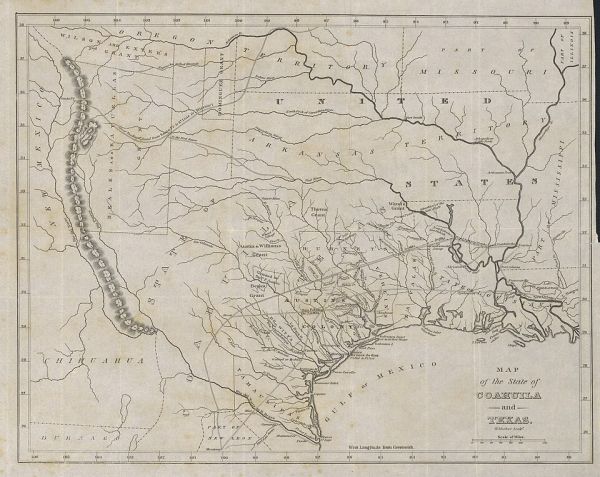
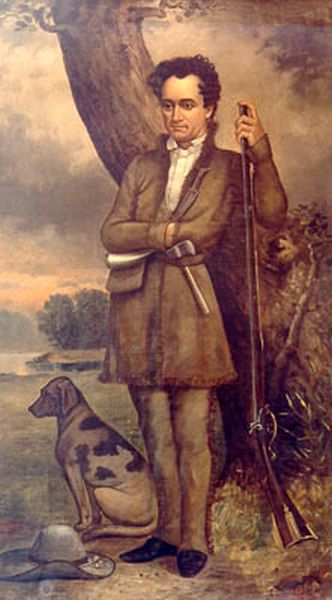
The most famous empresario was Stephen F. Austin. Austin followed his father's plan and brought the first 300 families to the Brazos and Colorado River valleys. Over time, he brought about 1,200 families to Texas. Most were from the southern United States. They had farmed cotton there. Many brought enslaved people to work the land. This happened even though Mexico had laws against slavery. Mexican officials made exceptions in Texas to help the colonies succeed.
Settlers often chose land along the Brazos, Colorado, and Guadalupe Rivers where the soil was rich and water was close by. They grew corn and cotton in the river bottoms, while cattle and horses grazed on the wide prairies. Towns formed by river crossings. These spots became centers of trade and meeting places. Life could still be difficult, with long distances between neighbors and threats from raids or drought.
By the early 1830s, the population of Texas had grown quickly. Disputes with Mexican leaders over immigration, taxes, and slavery increased. Fighting had not yet broken out, but these disagreements set the stage for the Texas Revolution.

