
Native nations across North America built many different kinds of homes. These homes were not all the same because Native peoples lived in many different environments. Some communities lived in forests, some on plains, some in deserts, some near oceans, and some in very cold northern lands.
Homes were shaped by climate, available materials, and ways of life. Some Native communities lived in one place for a long time and built strong, lasting homes. Others moved during different seasons to hunt, fish, gather, trade, or find food, so they needed homes that were easier to build, move, or take apart.
Wigwams and Wetus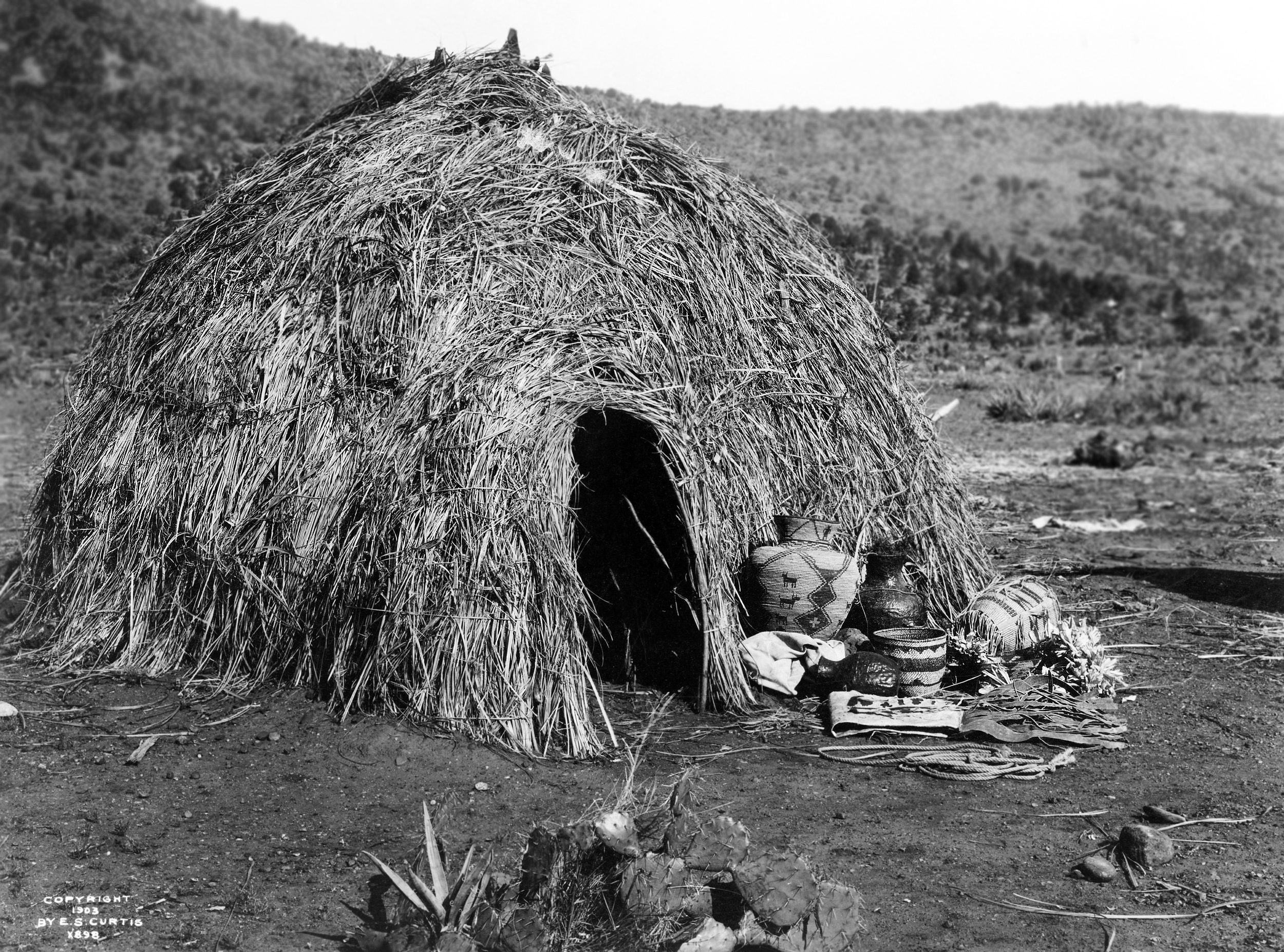
Wigwams and wetus were homes used by some Native nations in woodland regions, including some Algonquian-speaking peoples. These homes were usually small and could be shaped like a dome, cone, or rounded rectangle.
A wigwam or wetu often had a frame made from young trees or wooden poles. The frame could be covered with bark, woven mats, or other natural materials. These homes worked well for families who stayed in one area for part of the year but might move to another camp during a different season.
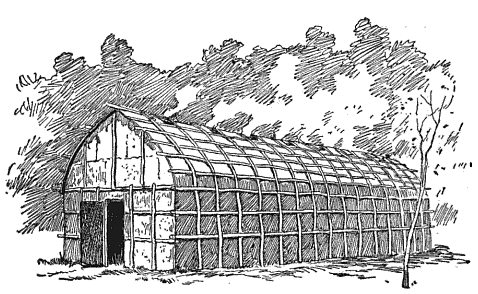
Longhouses were used by the Haudenosaunee, also known as the Iroquois, and by some neighboring Native nations. A longhouse was much larger than a wigwam. It was built with a wooden frame and covered with bark.
Many families from the same clan could live in one longhouse. Inside, different family spaces could be separated with mats or wooden screens. Longhouses were good homes for farming communities that lived in more permanent villages.
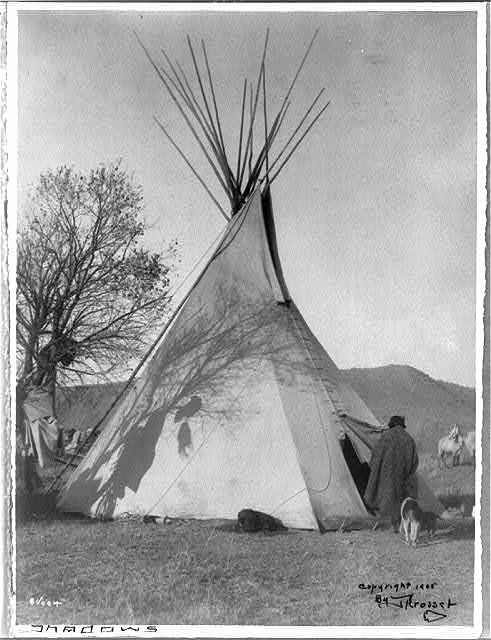
Tipis were used by some Native nations of the Great Plains. A tipi had a cone-shaped frame made from long poles. The outside was traditionally covered with animal hides.
Tipis were useful for communities that moved to follow bison herds or to find seasonal resources. They could be taken down, moved, and set up again more quickly than many permanent homes. This made them a good choice for life on the Plains, where families sometimes traveled long distances.
Grass Houses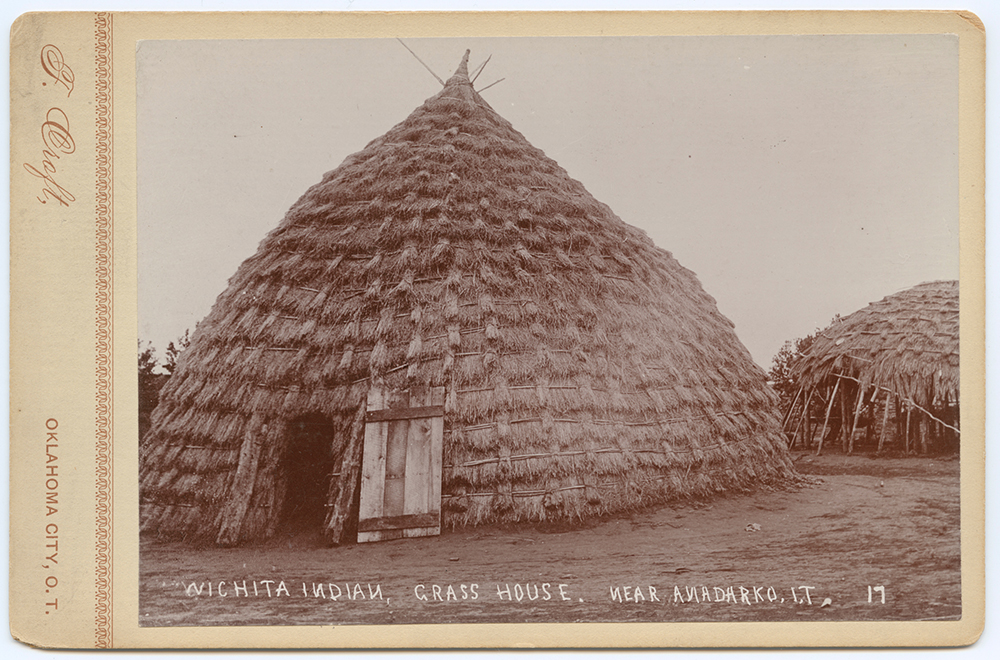
Grass houses were used by some Native nations of the Southern Plains, including the Caddo and Wichita. These homes had wooden frames covered with bundles of long prairie grass.
Grass houses were often large and shaped somewhat like a beehive. They worked well in warm climates where prairie grass was available. Because they took time to build, they were usually used by communities that stayed in one place for longer periods of time.
Wattle and Daub Houses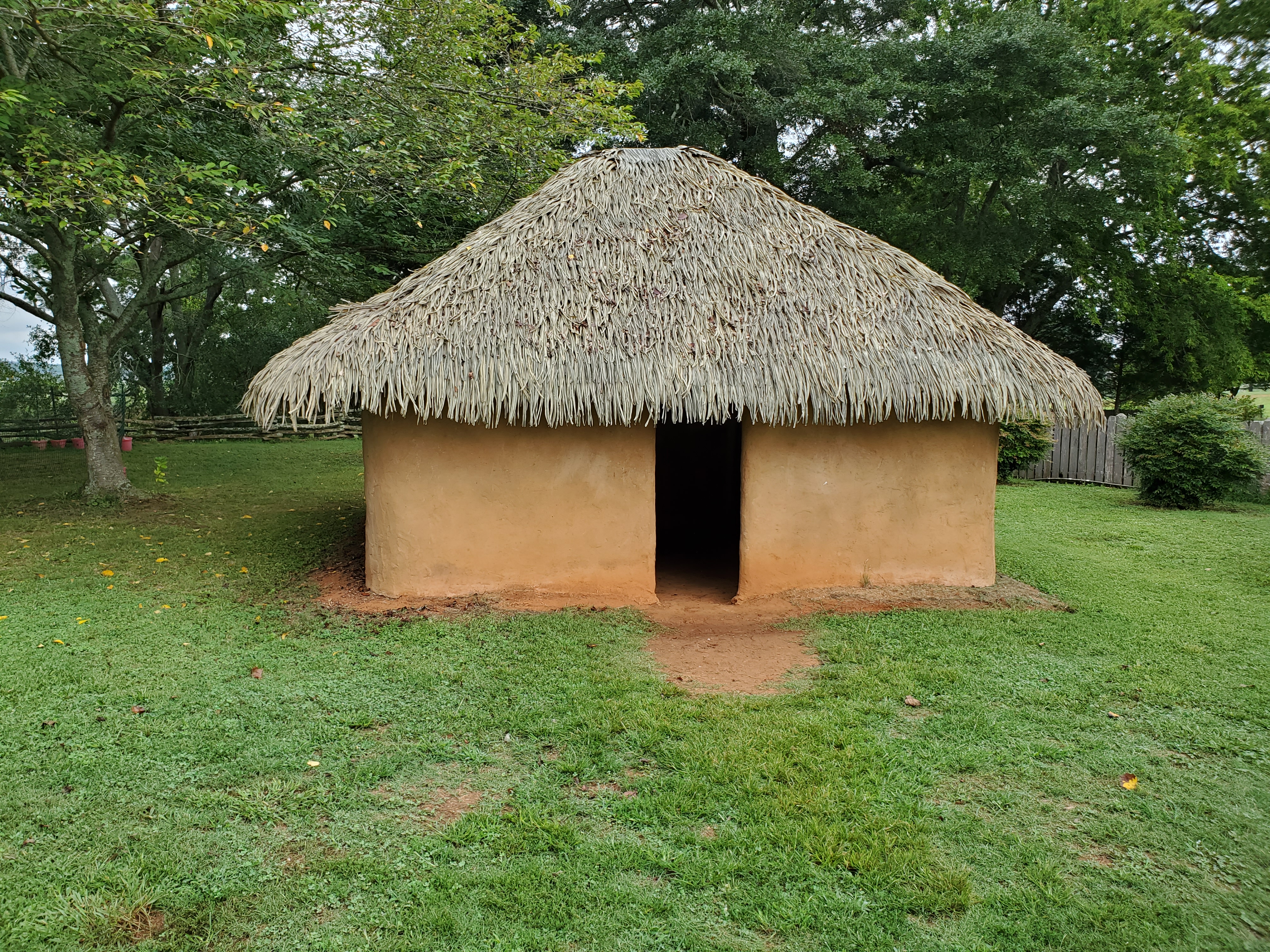
Wattle and daub houses were used by some Native nations in the Southeast, including Cherokee and Muscogee communities. These homes were made by weaving sticks, river cane, vines, or branches into a frame. Then the frame was covered with a plaster-like mixture made from clay, mud, or other materials.
The roof could be covered with grass, bark, or other natural materials. Wattle and daub homes were sturdy and took effort to build, so they were useful for farming communities that lived in more permanent villages.
Chickees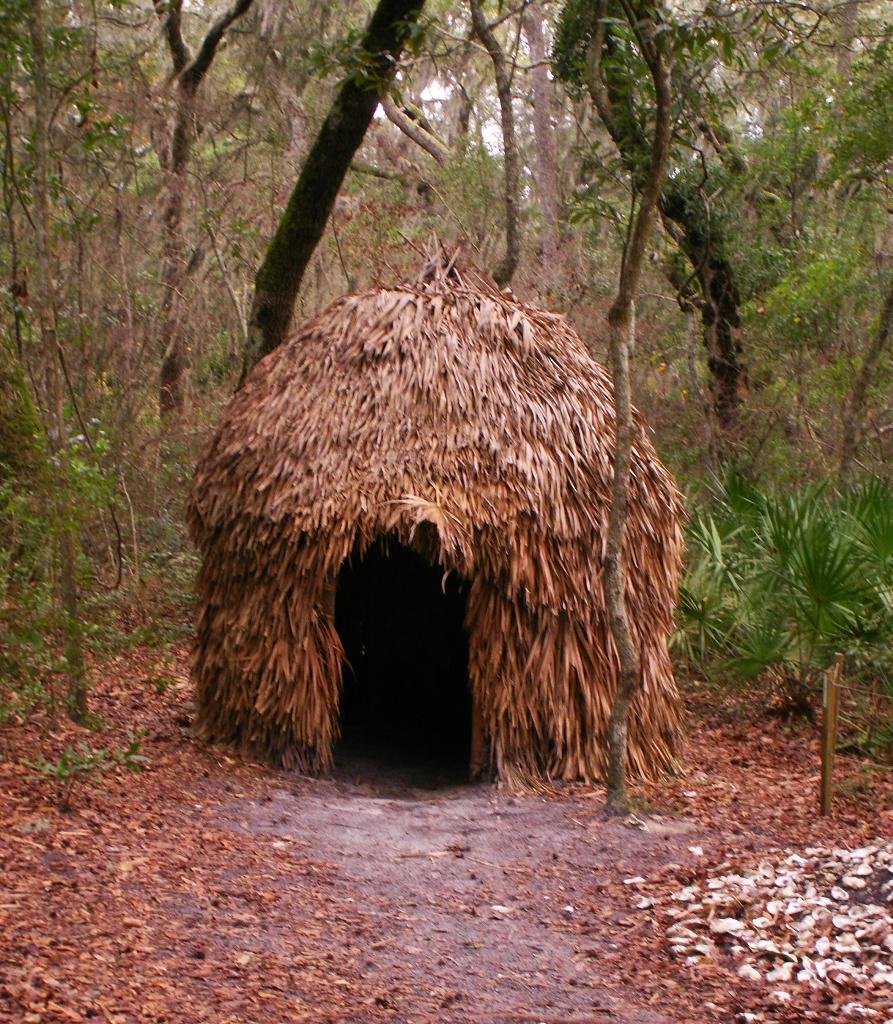
Chickees were used by Seminole people in Florida. A chickee was built with posts, a raised wooden platform, and a thatched roof. It usually had open sides instead of walls.
This design worked well in Florida’s hot, wet climate. The raised floor helped keep people above wet ground and away from some animals. The open sides allowed air to move through the home, which helped keep it cooler.
Adobe Homes and Pueblos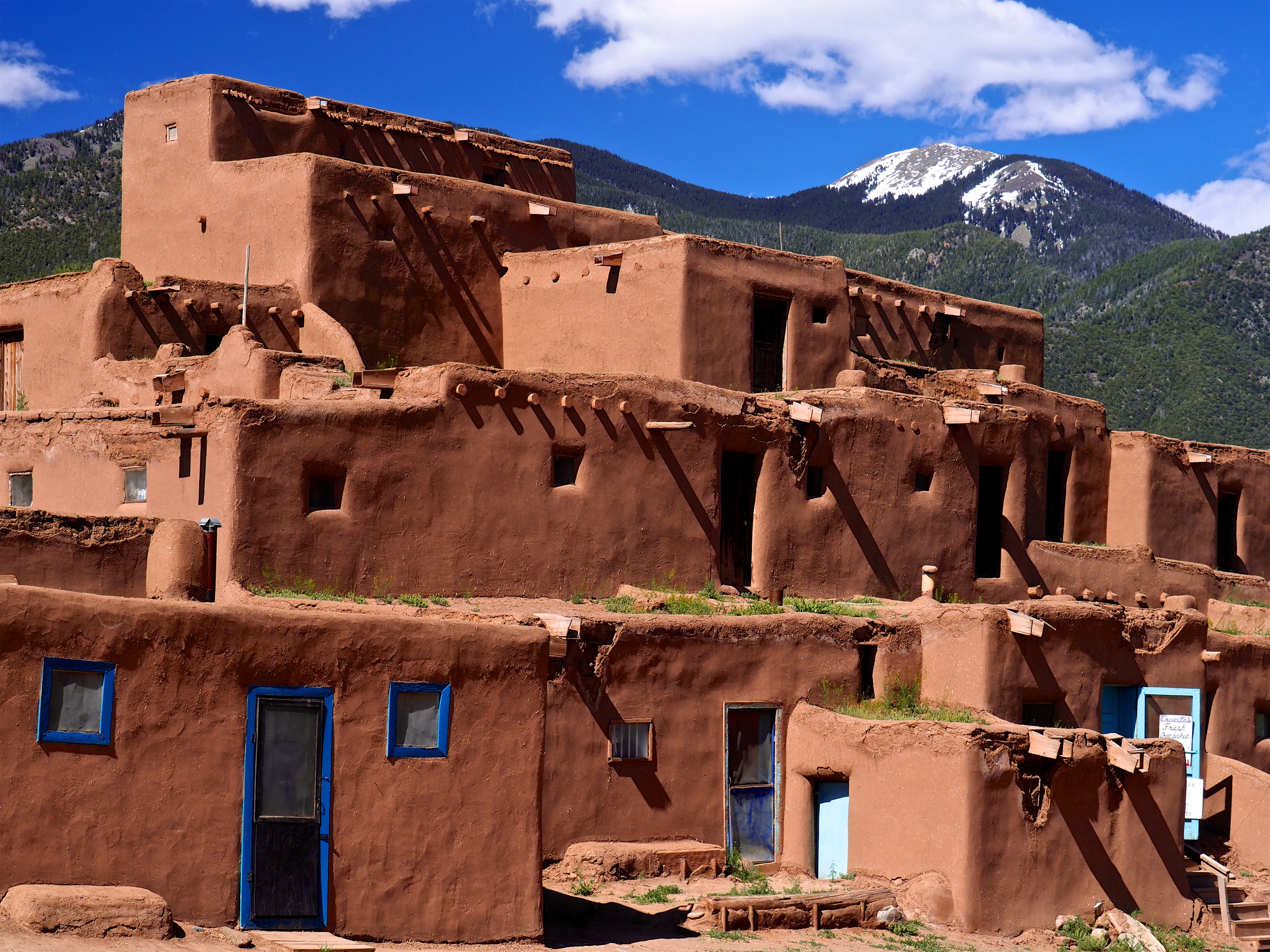
Adobe homes and pueblos were built by Pueblo peoples of the Southwest. Adobe is a building material made from earth, clay, straw, and water. In dry climates, adobe can harden into strong bricks or walls.
Pueblo homes were often built close together and could have more than one story. Some looked like apartment buildings, with many family spaces connected in one large structure. These homes were well suited to dry areas where earth and clay were available.
Earthen Homes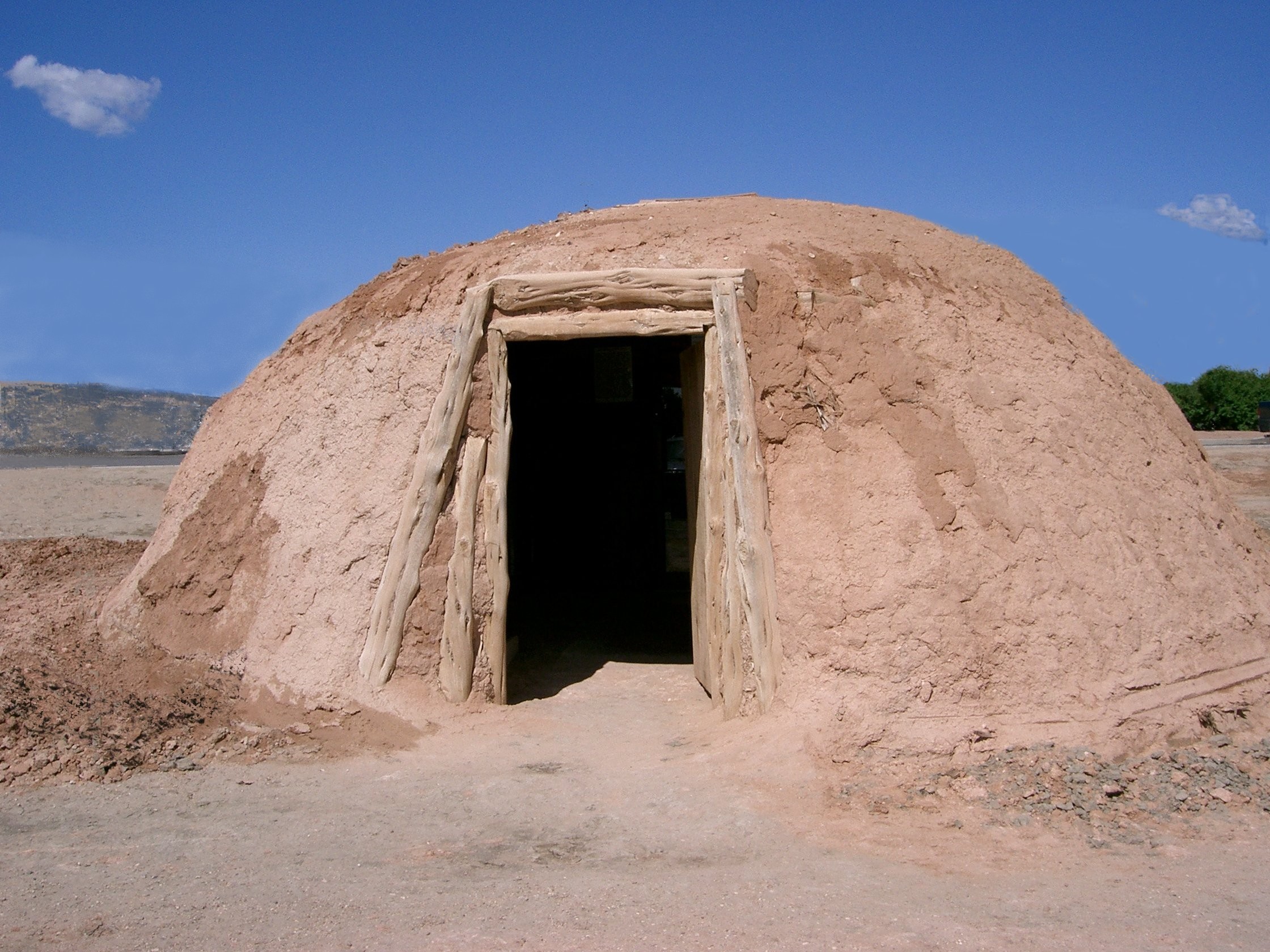
Earthen homes include several types of homes built partly with earth. Examples include Navajo hogans, earth lodges, sod houses, and pit houses used by different Native communities.
These homes were not all exactly alike, but many used a wooden frame covered with earth, grass, reeds, or sod. Some were built partly below ground. Earth helped protect people from wind, cold, heat, and strong weather. Earthen homes worked well in places where wood was limited or where the climate was harsh.
Plank Houses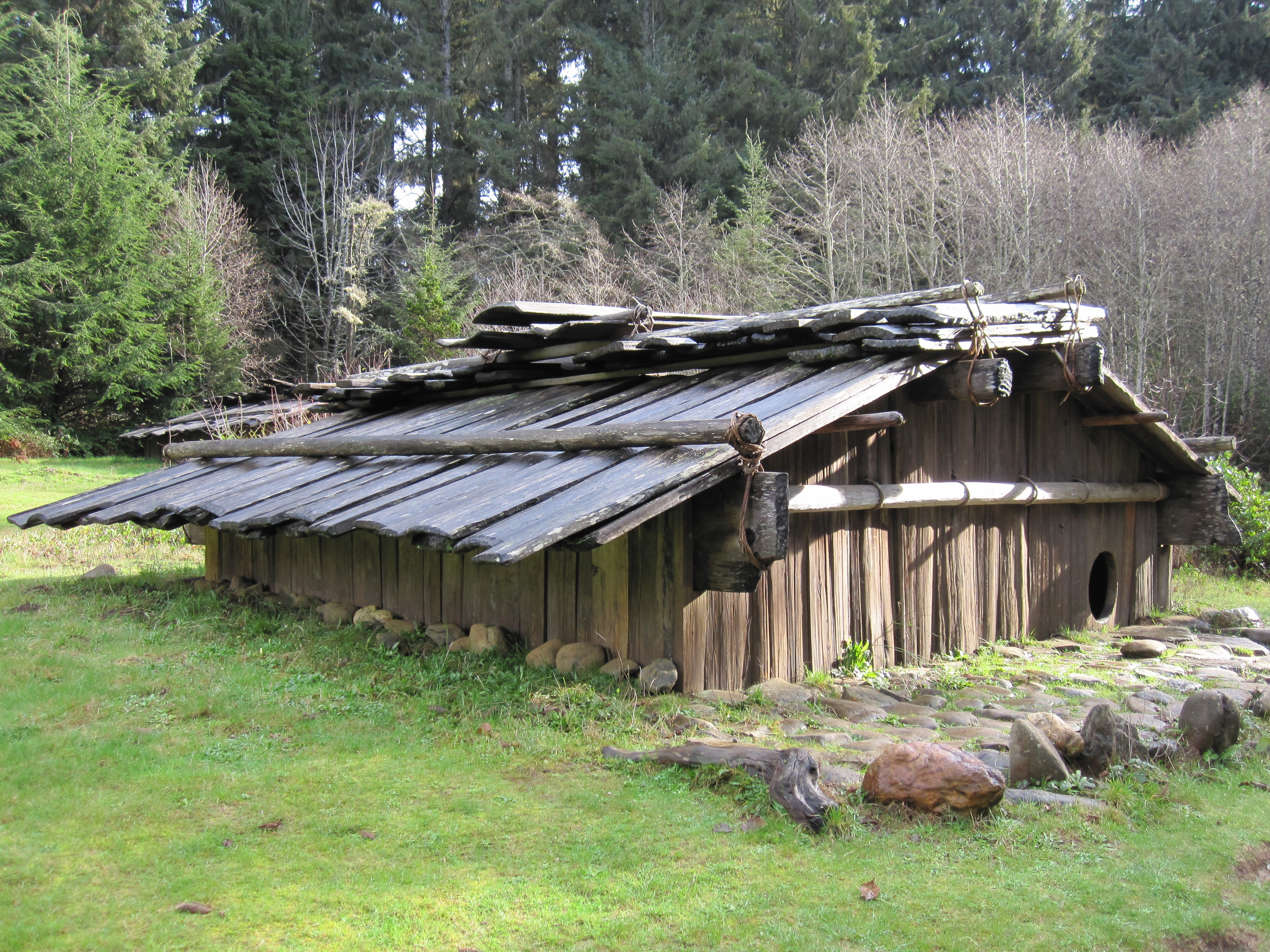
Plank houses were used by some Native nations of the Northwest Coast. These homes were built with large wooden planks, often made from cedar trees. Cedar was an important resource in this region.
Plank houses were strong, large, and long-lasting. They worked well for communities that stayed near the coast and depended on fishing, trade, and local resources. Because these homes took time and many materials to build, they were best for communities that did not need to move often.
Igloos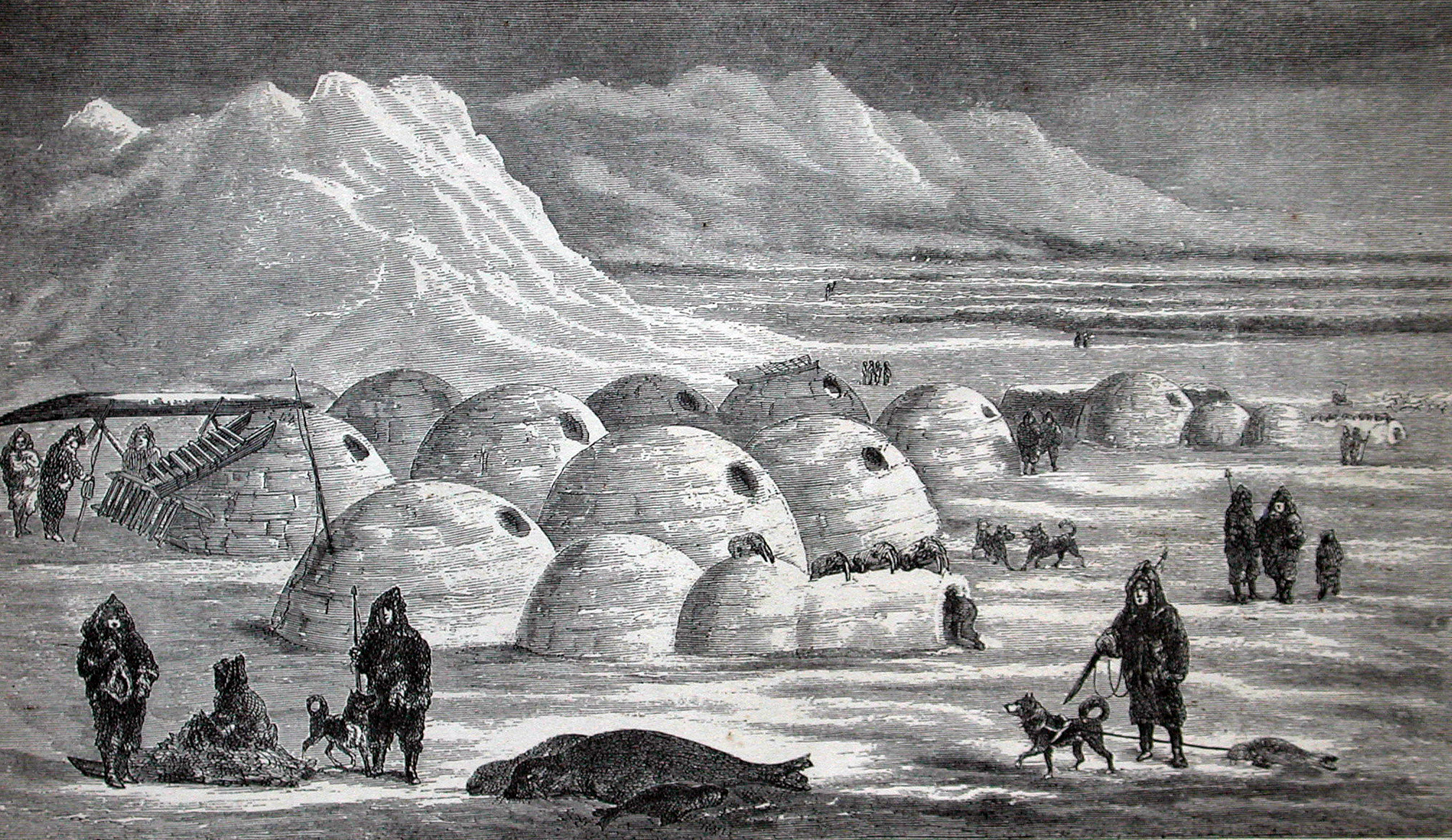
Igloos were snow houses used by some Inuit communities in the Arctic. Not all Inuit people lived in igloos, and many used other kinds of homes depending on the season and location.
An igloo was made from blocks of packed snow. Snow may seem cold, but it can trap air and help insulate the inside of the home. Igloos were useful in places where there were few trees, deep snow, and very cold winds.
Brush Shelters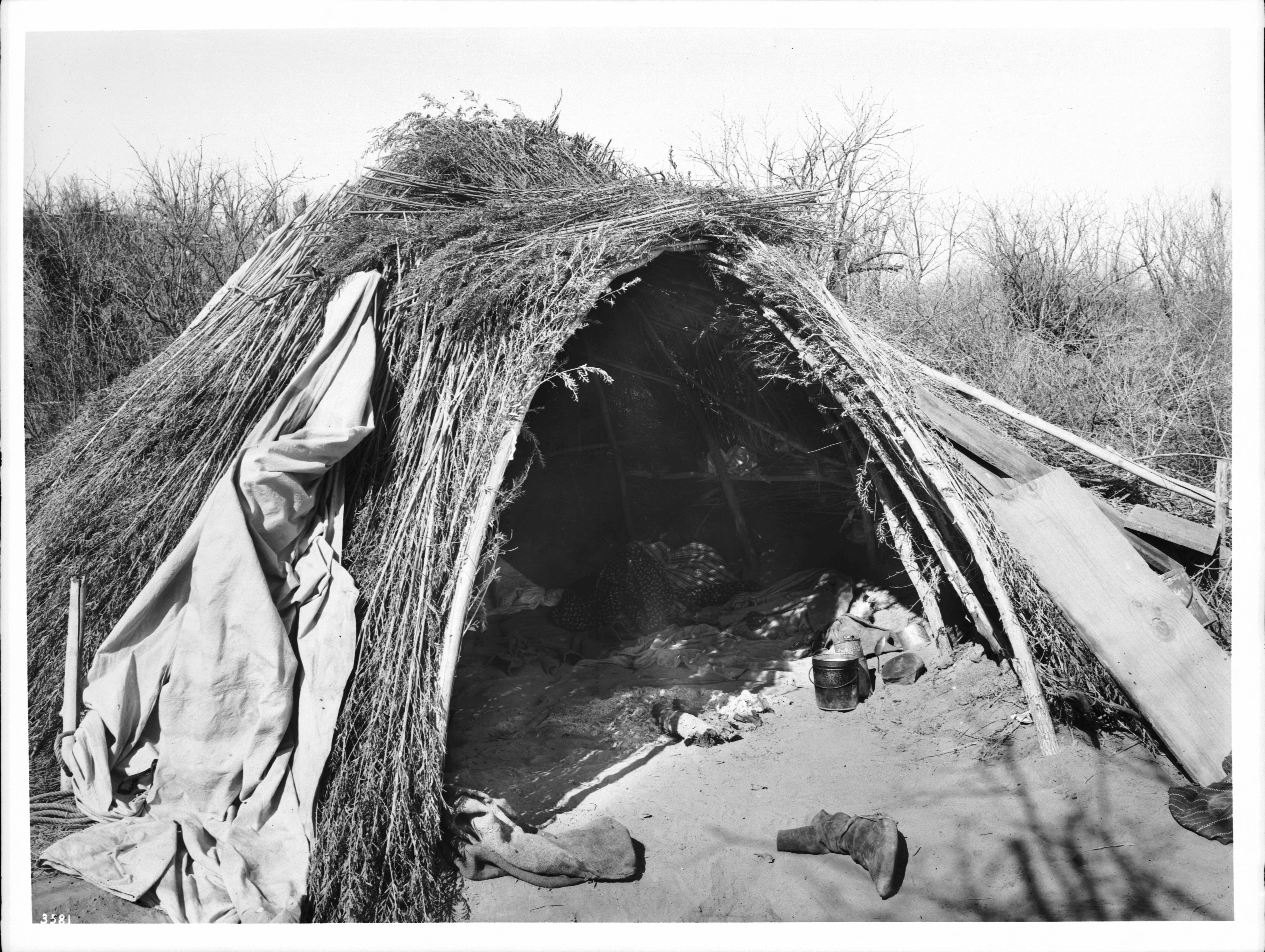
Brush shelters were temporary homes used by many different Native communities. These shelters were usually made from a simple wooden frame covered with branches, leaves, grass, or brush.
Some brush shelters were used during hunting trips or seasonal travel. In warm, dry areas, some communities used brush shelters more often because they were quick to build and used materials from the local environment. These homes were usually small and simple, but they met the needs of people who were moving or staying somewhere for a short time.
Native Homes TodayMost Native people today live in modern houses, apartments, and communities, just like other people in the United States and Canada. Some traditional homes are still used for cultural, ceremonial, educational, or community purposes. In some places, families continue to live in or care for homes connected to long community histories, such as some Pueblo homes in the Southwest.
Learning about Native homes helps us see how Native nations used deep knowledge of land, climate, materials, and community needs. These homes show creativity, engineering, adaptation, and respect for local environments.