
After the Civil War, the United States changed quickly. Railroads connected distant regions and made it easier to move goods across the country. This growing network did more than move passengers. It helped mining and industry expand in powerful new ways.
One of the most important resources during this time was coal. It powered steam engines, heated homes, and fueled factories. Railroads carried coal from rural mining camps to busy cities and steel mills. Iron and steel production expanded because coal allowed factories to make stronger rails, machines, and tools. By the late 1800s, the number of iron and steel workers had increased by more than 1,200 percent. Steel rails alone made up most of the nation’s steel production.
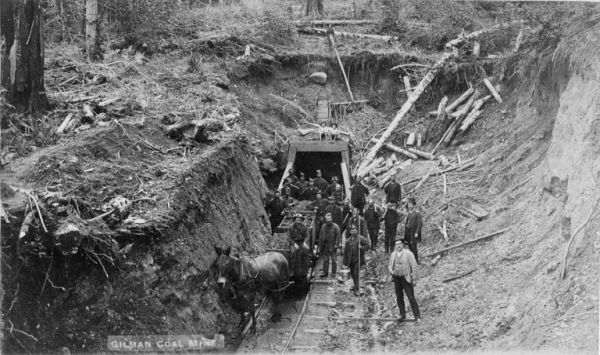
As demand for fuel and metal grew, mining spread across the country. In Missouri, lead production rose sharply after the war. Richer deposits were found in deeper mines. So, towns like Webb City and Carterville grew around the industry. In the coalfields, nearly half a million workers labored underground by the early twentieth century. They dug coal, loaded it into railroad cars, and sent it to growing industrial centers.
Mining booms did not happen only in the Midwest and South. They also extended beyond the continental U.S. In 1896, gold was discovered near the Klondike River in Canada’s Yukon Territory. Almost 100,000 people rushed north in search of wealth. Boomtowns such as Skagway and Dawson City sprang up almost overnight, and many miners spent months hauling supplies over dangerous mountain trails. Most returned home without riches, but the rush left lasting towns and new trade routes.
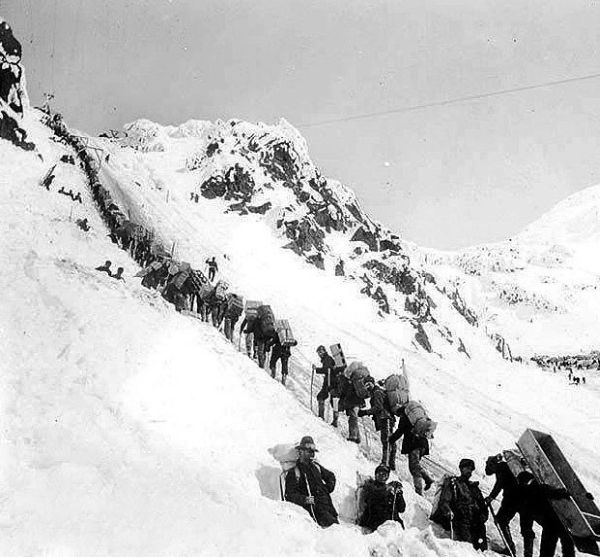
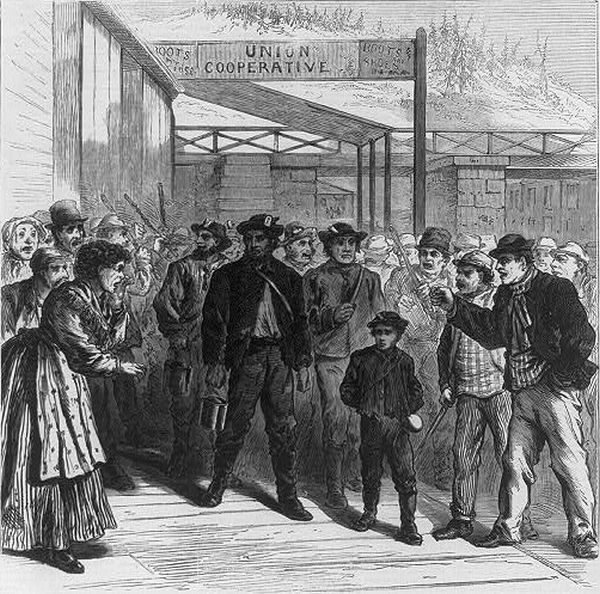
While these industries created opportunities, they also caused conflict. Workers were often paid by the ton, and disputes over wages and weighing coal were common. Dangerous conditions led miners to form unions like the United Mine Workers of America. Strikes sometimes turned violent, and state militias were called in to restore order. Reforms did make safety better, but thousands of miners still died in accidents and explosions.
The growth of railroads made it possible for coal, steel, and minerals to reach national markets, and this connection helped transform the United States into a leading industrial power. Industry brought jobs and new towns, but it also brought hardship and struggle for many workers.

.jpg)