
After the Civil War, mining towns and mining camps spread across parts of the United States. Coal, lead, and other minerals were in high demand, and companies built settlements close to the mines to house workers and their families. These towns often appeared within months. Streets were unpaved, buildings were plain, and most property belonged to the mining company.
Workers arrived from many regions. Some were white farmers who could not survive on small plots of land. Some were formerly enslaved African Americans seeking paid labor. Others were immigrants from Europe who had been recruited with promises of steady work and transportation. Entire families moved into company-owned houses. The houses were small and usually built in rows. Rent was deducted from a miner’s wages.
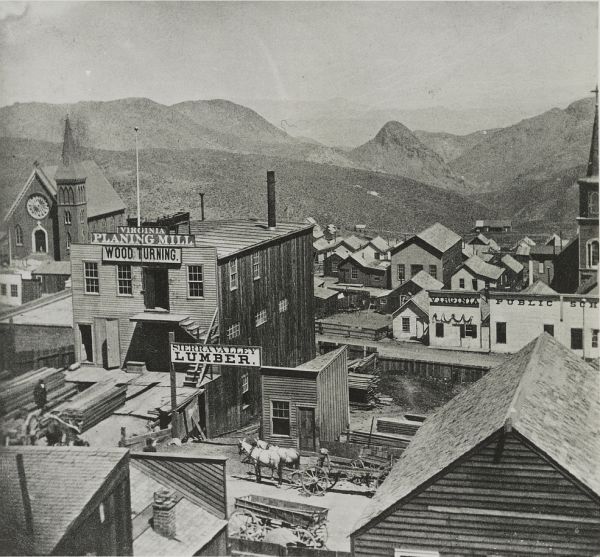
In many towns, the company ran the general store, which meant workers bought food, tools, clothing, and fuel from their employer. Prices were set by the company, and credit was sometimes offered during slow seasons. Some miners were paid by the ton of coal they produced, and disputes occurred over how much coal had been weighed at the end of the day. Because demand for minerals changed with the national economy, work could be steady for months and then slow without warning.
Mining was difficult and dangerous work. Men and boys spent long hours underground in dark and narrow shafts. Cave-ins, falling rock, and gas explosions caused injuries and deaths. Miners used picks, shovels, and blasting powder. Coal dust covered their clothes and skin. When accidents happened, families depended on neighbors, churches, or local aid groups for support.
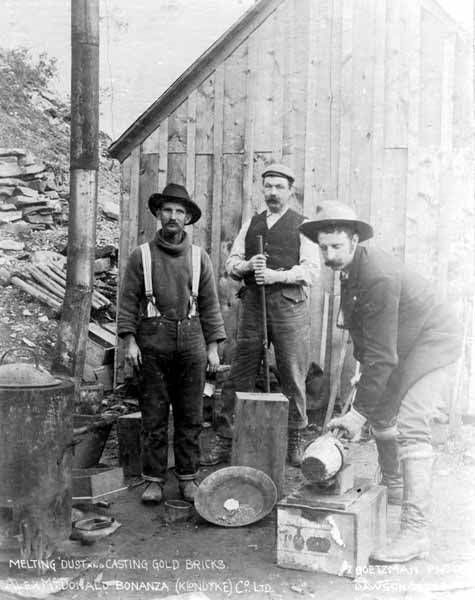
Camp life centered on work and home. Houses stood close together, and families shared wells, dirt roads, and small yards. Women cooked over coal stoves, washed clothes by hand, and cared for children. Some towns had schools, churches, and meeting halls. Residents gathered for worship, card games, music, and holiday celebrations. Children often began working at a young age to add to the family income.
Companies set rules that shaped daily life, and private guards or company-paid officials enforced order. Workers who protested wages or conditions risked losing both their jobs and their homes. Mining towns offered jobs, housing, and a sense of community. Daily life revolved around the company that managed work and property. These towns reflected both opportunity and limitation during a period of rapid industrial growth and economic change.
.jpg)