
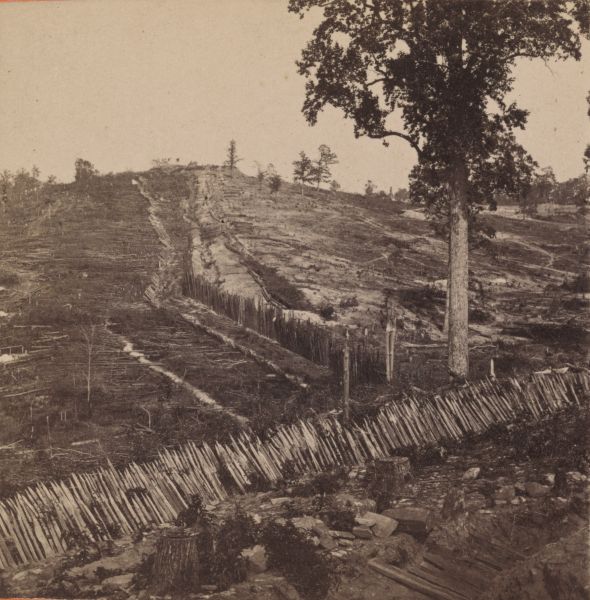
By the middle of the Civil War, conditions across the Confederacy had become severe. Fighting ruined farmland and crops. It also damaged roads and railways. Armies marched through fields and towns again and again. They left the land looking “blighted” by war. Dead soldiers poisoned the soil and rivers that once supported crops. At the same time, the Union blockade limited imports, making it harder to move food into cities. Inflation made the situation worse. Confederate money lost value, and prices for basic goods rose sharply. Hunger became common, especially in cities crowded with refugees, wounded soldiers, and government workers.
These shortages did not affect everyone equally. Poor and working-class families suffered the most. When men left to fight or died, their wives and children lost their main source of labor and income. Many women worked in factories, arsenals, or sewing jobs, but wages did not keep pace with rising prices. Governors got many letters from women. They asked for food, supplies, or exemptions for their husbands from military service. Aid was often limited, delayed, or denied, especially to the families of deserters or Unionists.
As food shortages grew and government aid failed to meet their needs, many women began organizing protests and taking food directly from stores and warehouses. The most well-known example occurred in Richmond, Virginia, in April 1863. After a harsh winter and continuing shortages, thousands of women gathered to demand action. Many worked in factories that supplied the army. Others were wives of men in iron factories. When officials offered no solutions, women marched through the city chanting for food. They broke into warehouses and shops, taking flour, bacon, and other supplies. Women shouted that they were starving, according to witnesses. About sixty people were arrested, and the city later released some food to the “worthy poor,” while others received little or nothing.
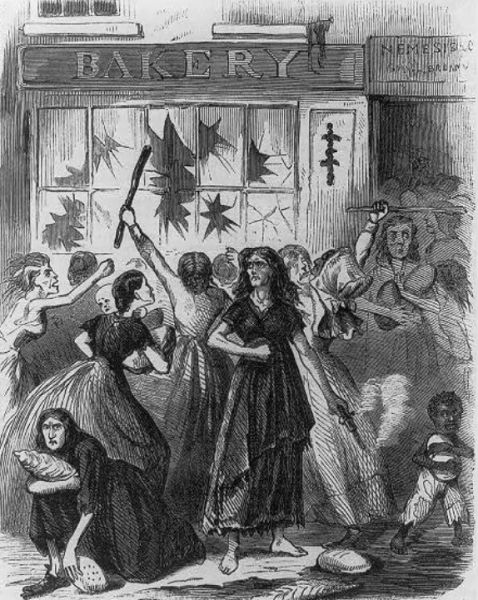
Similar actions occurred across the Confederacy. In Mobile, Alabama, the blockade of Mobile Bay caused serious shortages, and items like flour and molasses became extremely expensive. On September 4, 1863, mostly women marched into the city carrying signs that read “Bread or Blood” and “Bread and Peace.” They broke windows and looted stores for food, clothing, and household goods. Food riots and armed raids also took place in Georgia, North Carolina, and other states. Many of the women involved were soldiers’ wives who said their families had little to eat. They believed hunger and sacrifice justified their actions.
After the riots, Confederate and state governments expanded poor relief programs, opened public stores, and distributed food such as corn and flour. Still, shortages continued, and inflation remained high. Hunger damaged morale and led many soldiers to desert the army to help their families. The food riots revealed the deep hardship and discontent in society. They also showed how women played a key role in pushing Confederate leaders to face the crisis at home.
