
After the Civil War, women in the U.S. reacted in various ways to the 13th, 14th, and 15th Amendments. These amendments changed the meaning of freedom, citizenship, and voting. Many women paid close attention to what these changes meant for their own rights. While some women felt hopeful, others felt frustrated or excluded.
The 13th Amendment ended slavery in 1865. For Black women who had been enslaved, freedom brought important changes. They gained new control over their labor, their bodies, and their time. Many women’s rights activists had supported the Civil War because they believed ending slavery was necessary for justice. After the war, activists believed that society would soon address women’s rights. They hoped voting rights would be included.
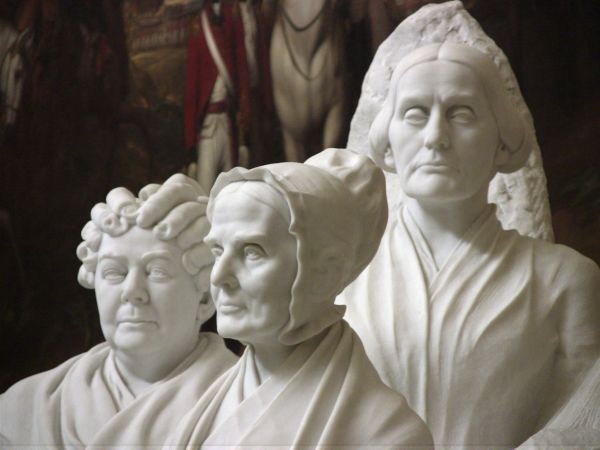
The 14th Amendment, ratified in 1868, defined national citizenship and promised that states could not take away a person’s rights to life, liberty, or property. However, it also introduced the word “male” into the Constitution when discussing voting. This angered many women’s rights activists. Elizabeth Cady Stanton warned that including the word “male” would make it much harder for women to gain the vote. Some women supported the amendment anyway because they believed it was essential for protecting the rights of formerly enslaved people. Others felt betrayed and argued that women were being pushed aside.
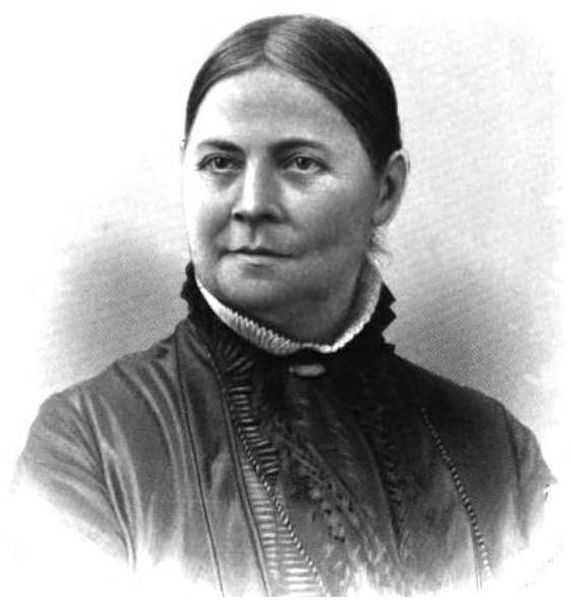
The 15th Amendment, ratified in 1870, stated that voting rights could not be denied based on race. It granted voting rights to Black men but did not include women. This amendment caused sharp divisions among women’s rights activists. Some, like Lucy Stone, supported the amendment. They thought women’s suffrage would follow later. Others, including Susan B. Anthony and Elizabeth Cady Stanton, opposed it because it did not include women. They argued that educated white women should not have to wait for the right to vote.
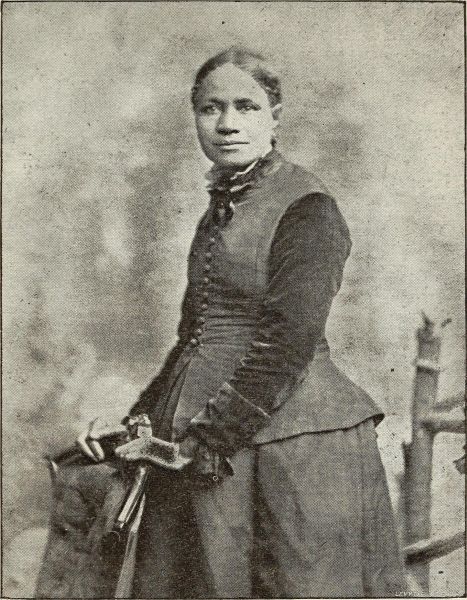
Black women were often left out of these debates. Activists like Frances Ellen Watkins Harper argued that race and gender could not be separated. She spoke about the daily struggles Black women faced and insisted that voting alone would not solve their problems. Harper believed that true equality required addressing both racial injustice and women’s inequality.
The women’s rights movement split due to these disagreements. Different groups formed, each with unique goals and strategies. Women had different reactions to the Reconstruction Amendments. Most wanted more rights, but their responses to the amendments varied.

_(14598047448).jpg)
