
After the Civil War, leaders in the South promised that a New South would rise. They said the region would rebuild with industry, trade, and modern cities. Henry Grady and other boosters urged investors to see the South as ready for business and growth.
Railroad construction expanded quickly across the region. By 1900, thousands of miles of new track connected Southern towns to national markets. Major networks like the Southern Railway and the Louisville and Nashville Railroad linked local production centers to the rest of the country. Northern investors supplied much of the money for these railroads, and Southern officials supported these projects. Rail lines carried cotton, timber, coal, and iron to other parts of the country.
Industry increased in several Southern states. Birmingham, Alabama, became known for iron and steel production because the area had rich deposits of iron ore, coal, and limestone. This meant factories could collect materials at a single location. This helped cut transportation costs. Coal mines in the Appalachian region supplied fuel for factories and railroads. Lumber mills cut timber from Southern forests. They then shipped it to growing cities. Textile mills spread through the Carolinas and Georgia because they were located close to cotton fields. By the end of the nineteenth century, Southern cotton mills produced large amounts of cloth for national markets.
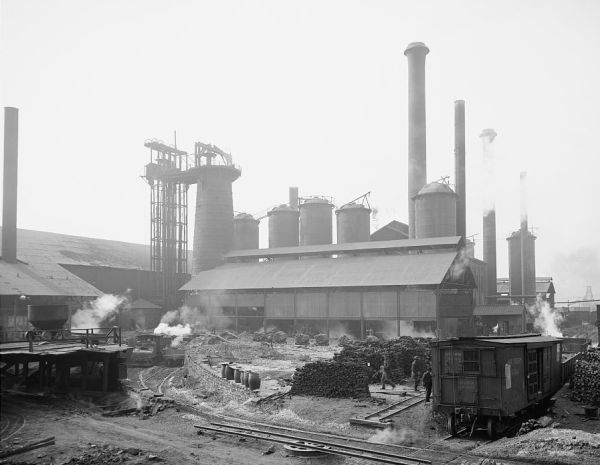
Banks and business leaders played an important role in this growth by providing capital for the expansion of industry, transportation, and commercial projects. Some former planters invested in railroads, factories, and banks. New industrialists built companies that controlled mining, lumber, and textile production. Cities grew as workers left farms for mill towns. Commercial areas sprang up with stores and offices.
Factory and mine work offered wages, but conditions were often difficult. Mill employees worked long hours for low pay, and child labor appeared in many textile towns. Some mill towns were company-owned. Workers in those towns rented homes from their employers. Convict leasing also continued in parts of the South, and prisoners were forced to work in mines and other industries.
At the same time, many rural areas continued to depend on cotton farming. Sharecroppers and tenant farmers often planted a single crop each year. Cotton prices fell during the late nineteenth century, so many farming families struggled to earn a steady income. The crop lien system allowed farmers to borrow supplies on credit, and debt remained common in agricultural communities.
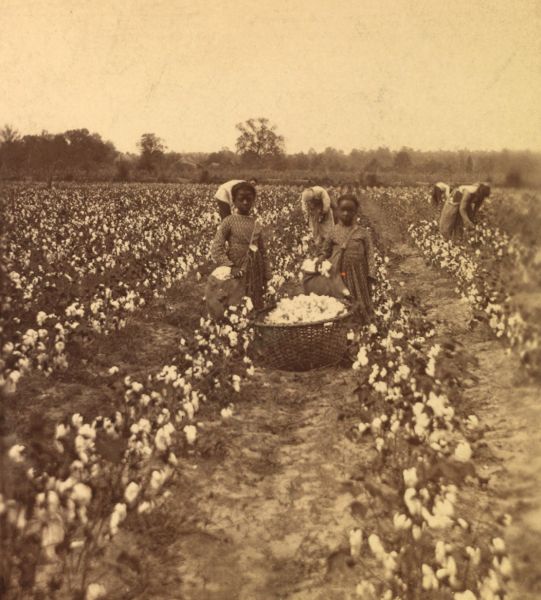
African Americans took part in both farm and factory labor. Many stayed in sharecropping, and land ownership rates remained low. In cities, Black workers were often limited to lower-paying jobs and faced barriers in skilled trades. New state laws reduced voting rights for many African Americans and some lower-income whites, and segregation laws separated public spaces.
By 1900, new railroads, factories, and developed cities transformed the landscape of the New South. Cotton farming, tenant labor, and racial policies also shaped life across the region. These developments defined the South at the close of the nineteenth century.
