There were already free Black people living in both the North and the South at the start of the Civil War. The war had many impacts on their communities. In the North, free Black people faced restrictions and racism. Some places required papers proving free status. States like Illinois restricted entry, and Indiana tried to bar Black residents. Many immigrants saw free Black workers as competition. During the New York City draft riots of 1863, white mobs attacked and killed many Black people.
Free Black people also lived throughout the South, including in states where slavery was legal. They could not vote, hold office, or testify against whites in court. They often had to carry proof of free status and could be jailed if suspected of being enslaved. During the war, Confederate officials increased surveillance. Free Blacks received little relief aid and were hit hard by shortages and destruction. Some feared a Confederate victory could take away their freedom. In many Southern areas, free Black men were forced into war labor as cooks, teamsters, miners, and construction workers.
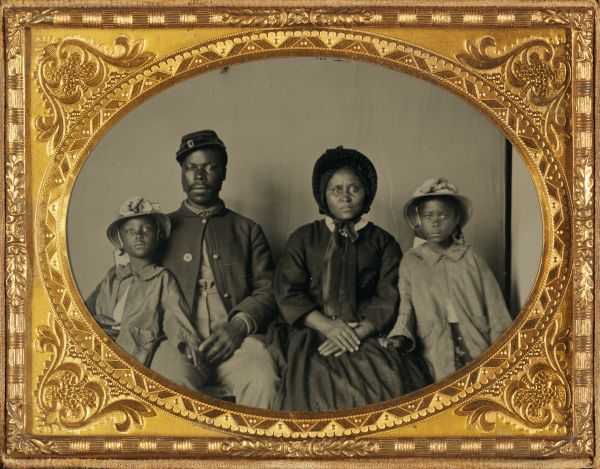
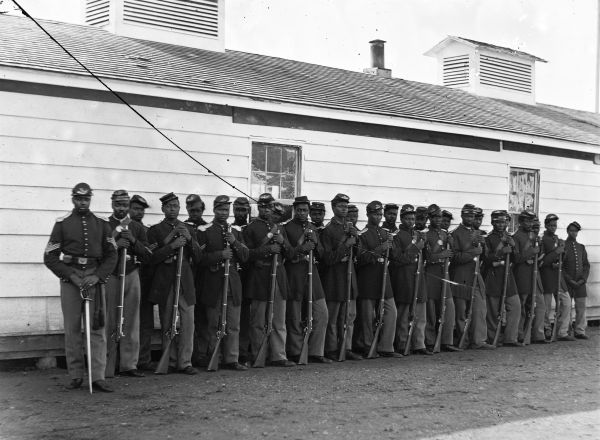
Despite these pressures, free Black communities organized to support one another. Black churches, schools, and mutual aid societies provided education, financial assistance, and care for families in need. Leaders encouraged support for the Union cause. Free Black men in the North pushed for the right to serve, and some petitioned the government as early as 1861. After the Emancipation Proclamation, many joined the Union Army and Navy. They faced pay discrimination and mistreatment, but they still served.
Free Black people in the South also made choices during the war. Some helped the Union as guides, laborers, cooks, and messengers. Others shared details about troop movements and terrain. Others helped enslaved people, Union prisoners, and Confederate deserters escape to Union lines. Some tried to organize for military service by drilling in militia units or offering support to military forces. Across many communities, free Black people took risks to protect their families and influence what freedom would mean after the war.