
The United States does not govern in isolation from the rest of the world. People, goods, money, information, technology, and ideas move across borders every day. So do risks. A conflict in one region can affect allies, trade routes, or the price of important goods. A cyberattack that begins overseas can disrupt businesses, hospitals, or government systems inside the United States. A disease, environmental problem, financial crisis, or migration challenge can cross borders and affect communities far from where it began.
Foreign policy exists because governments need ways to respond to conditions beyond their borders. For the United States, those conditions may involve national security, economic interests, alliances, democratic values, global problems, or the safety of American citizens. Foreign policy is not only about war or crisis. It is part of the regular work of governing in a connected world, where decisions outside the United States can shape life inside the country.
What Is Foreign Policy?
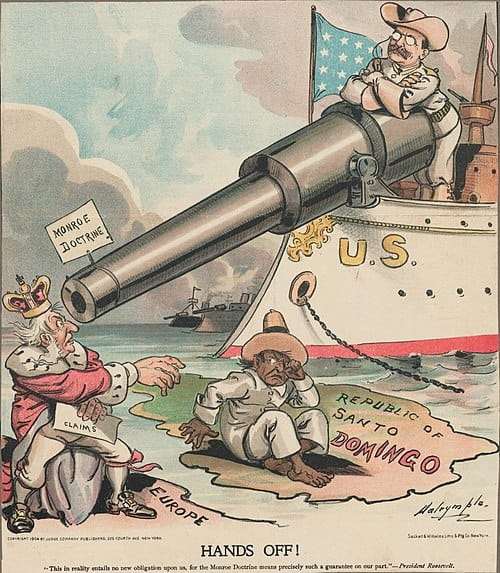
Foreign policy is the way a government manages its relationships with other countries and responds to international issues. For the United States, foreign policy includes decisions about how the country protects its interests, works with allies, responds to threats, supports economic goals, participates in international organizations, and addresses problems that cross borders.
Domestic policy focuses on governing at home. Foreign policy focuses on how the United States acts in relation to the world beyond its borders. The two can overlap because international events often affect people, businesses, communities, and government decisions inside the country. A trade dispute can affect workers and prices. A conflict abroad can affect military families, energy supplies, or alliances. A global health problem can affect schools, travel, and local economies.
Foreign policy often begins with a basic question: how should the United States protect itself in a connected world? Sometimes protection means guarding what is inside U.S. borders. At other times, protection means shaping conditions beyond those borders so the world around the United States is safer, more stable, or more favorable to U.S. interests.
Major Goals of U.S. Foreign Policy
Foreign policy is not guided by one single goal. The United States may pursue several goals at the same time, and those goals may not always point in the same direction. One major goal is national security. National security means protecting the United States, its people, territory, institutions, and interests from threats. These threats may come from other countries, terrorist groups, cyberattacks, dangerous weapons, or instability that spreads across borders.
Another goal is protecting economic interests. The United States depends on international trade, access to resources, stable markets, and financial relationships with other countries. Foreign policy can support jobs, businesses, supply chains, and the flow of goods and services. Economic goals can also connect to security. A shortage of important materials or a disruption in trade routes can create problems inside the United States.
A third goal is maintaining alliances and international stability. Alliances are relationships in which countries agree to cooperate, often for security or shared interests. Alliances can help deter threats, reduce conflict, and make the United States more secure. They can also create responsibilities. When the United States works closely with other countries, it may need to coordinate decisions, share burdens, or respond when allies face danger.
Foreign policy can also reflect democratic values and human rights. The United States may support ideas such as democracy, human rights, rule of law, or freedom beyond its borders. This goal can create difficult debates because values, national interests, costs, and risks may not always align easily. Supporting a value in another country may require diplomatic pressure, aid, sanctions, or public criticism. Those choices can affect relationships with other governments.
A final goal is global problem-solving. Some problems cannot be fully addressed by one country acting alone. Pandemics, climate change, cyber threats, terrorism, migration, nuclear weapons, and humanitarian crises can involve many countries at once. Foreign policy gives the United States ways to work with others, respond to shared risks, and decide how much responsibility it should take on.
These goals often overlap. A policy aimed at national security may also involve alliances. A policy aimed at economic interests may also affect stability or democratic values. A policy aimed at human rights may create security or diplomatic challenges. Foreign policy requires judgment because not all goals can always be pursued equally.
Major Tools of Foreign Policy
Foreign policy tools are the methods a country uses to pursue its goals in relation to other countries and international issues. The United States can use different tools depending on the situation, the goal, the risks, and the possible consequences. These tools can be used alone or together.
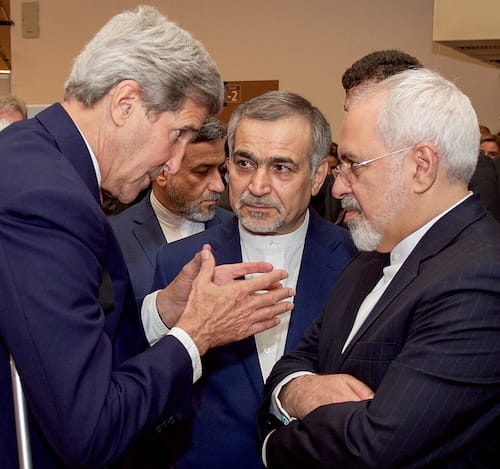
Diplomacy is one of the most common foreign policy tools. Diplomacy involves communication, negotiation, and relationship-building with other countries. Through diplomacy, governments try to solve problems, reduce conflict, coordinate action, and represent national interests. Diplomacy may happen through meetings, messages, negotiations, public statements, or ongoing relationships between officials.
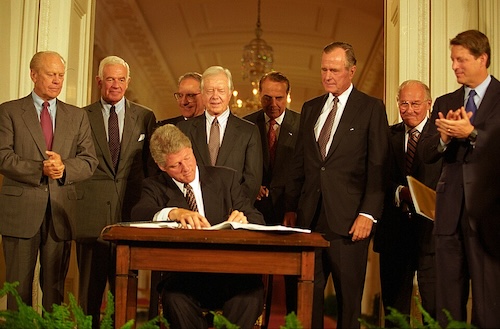
Treaties and international agreements are another tool. These are agreements between countries that set commitments, rules, or shared plans. Agreements may address issues such as trade, security, weapons, environmental concerns, or cooperation during emergencies. They give countries a way to make promises, set expectations, and organize action with others.
Alliances are partnerships with other countries for security, stability, or shared goals. An alliance can help deter threats because other countries know that allies may respond together. Alliances can also help countries coordinate military planning, share intelligence, and respond to international crises. At the same time, alliances can require commitment. A country may face pressure to support partners even when doing so creates costs or risks.
Foreign aid is another foreign policy tool. Foreign aid can include money, food, medical supplies, technical support, military support, or humanitarian assistance given to another country. Aid may respond to disasters, support stability, strengthen relationships, or advance U.S. interests. Aid can also reflect values, such as helping people after a crisis or supporting development in fragile regions.
Sanctions are economic or political penalties used to pressure a country, government, group, or individual. Sanctions can restrict trade, money, travel, or access to financial systems. They are often used when the United States wants to respond to harmful behavior without using military force. Sanctions can create pressure, but they can also affect civilians, businesses, allies, or global markets.
Trade-related actions are tools that shape economic relationships with other countries. These may include tariffs, trade agreements, export controls, or rules about which goods and technologies can move across borders. Trade-related actions can protect industries, influence another country’s behavior, support economic interests, or respond to conflict. They can also create tensions with trading partners or affect consumers and businesses at home.
Military power is one of the most serious foreign policy tools. Military power can include the use, movement, or threat of armed force. It may be used to defend the country, support allies, deter threats, protect people, or respond to conflict. Military power can act quickly and forcefully, but it carries major risks, including loss of life, long-term commitments, financial costs, and consequences that may be difficult to predict.
Intelligence and information also shape foreign policy. Intelligence involves gathering and analyzing information about threats, governments, conflicts, technologies, and global conditions. Leaders need information to understand risks and make decisions. Good information can help the United States prepare for threats, avoid surprises, and choose tools that fit the situation.
The United States may also work through international organizations. These are organizations where countries coordinate action, debate problems, and set shared rules or goals. The United Nations, NATO, and other international bodies are examples. Working through international organizations can help countries share responsibility and build support. It can also require compromise because many countries may not agree on the same solution.
Choosing Tools Based on Goals and Situations
Foreign policy is more than memorizing a list of tools. The same goal can sometimes be pursued with different tools. The same tool can also serve different goals. If the goal is to reduce conflict, diplomacy or alliances may be used. If the goal is to pressure a government without using military force, sanctions may be used. If the goal is to respond to a disaster or instability, foreign aid may be used. If the goal is to protect trade or technology, trade-related actions or agreements may be used. If the goal is to respond to an immediate security threat, military power or intelligence may be involved.
Tools can also be combined. Diplomacy may happen alongside sanctions. Aid may support an alliance. Military power may be paired with diplomacy. Trade policy may support economic and security goals at the same time. These combinations show why foreign policy decisions can be complicated.
The opening tension remains important. Some tools focus more on guarding the United States from outside risks. Other tools focus more on shaping conditions beyond U.S. borders. Many tools do both. A decision that looks outward may still be aimed at protecting people, interests, or security inside the United States.
Foreign Policy Involves Tradeoffs
Foreign policy decisions are difficult because every tool can carry tradeoffs. Acting can prevent problems from growing, but action can create costs and risks. Restraint can avoid overreach, but it can also allow threats or instability to grow. A government may face pressure to act quickly, even when it does not have complete information.
Foreign policy can also involve tension between national interests and global responsibilities. The United States may focus on its own security and economic needs while also facing pressure to respond to human rights concerns, disasters, allies, or global problems. These responsibilities can overlap, but they can also compete.
Security decisions may raise questions about liberty and government power. Responding to threats can affect privacy, movement, public debate, or the relationship between citizens and government. Military action may be faster or more forceful, but it can risk lives and create long-term commitments. Diplomacy may reduce conflict, but it can take time and may not always succeed.
Working with allies can share burdens and increase support for action, but cooperation can require compromise. Acting independently may be faster, but it can create diplomatic costs. Trade or sanctions can support U.S. interests, but they may also affect consumers, businesses, workers, or relationships with other countries.
Tradeoffs do not mean a policy is automatically good or bad. They mean foreign policy requires judgment about goals, tools, risks, consequences, and responsibility.

