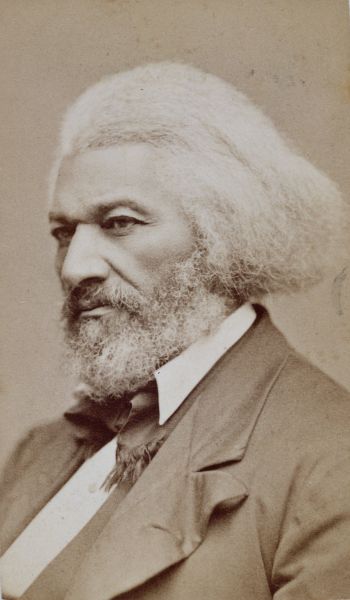
Note: Two years into the Civil War, Frederick Douglass delivered this speech in Philadelphia on July 6, 1863. It was given shortly after the federal government opened the Union army to Black enlistment following the Emancipation Proclamation.
Excerpt:
There are obviously two views to be taken of such enlistments—a broad view and a narrow view. I am willing to take both and consider both. The narrow view of this subject is that which respects the matter of dollars and cents. There are those among us who say they are in favor of taking a hand in this tremendous war, but they add they wish to do so on terms of equality with white men. They say if they enter the service, endure all the hardships, perils and suffering—if they make bare their breasts, and with strong arms and courageous hearts confront rebel cannons, and wring victory from the jaws of death, they should have the same pay, the same rations. the same bounty, and the same favorable conditions every way afforded to other men.
I shall not oppose this view. There is something deep down in the soul of every man present which assents to the justice of the claim thus made, and honors the manhood and self-respect which insist upon it. (Applause) I say at once, in peace and war, lam content with nothing for the black man short of equal and exact justice. The only question I have, and the point at which I differ from those who refuse to enlist, is whether the colored man is more likely to obtain justice and equality while refusing to assist in putting down this tremendous rebellion than he would be if he should promptly, generously and earnestly give his hand and heart to the salvation of the country in this day of calamity and peril. Nothing can be more plain, nothing more certain than that the speediest and best possible way open to us to manhood, equal rights and elevation, is that we enter this service. For my own part, I hold that if the Government of the United States offered nothing more, as an inducement to colored men to enlist, than bare subsistence and arms, considering the moral effect of compliance upon ourselves, it would be the wisest and best thing for us to enlist.