
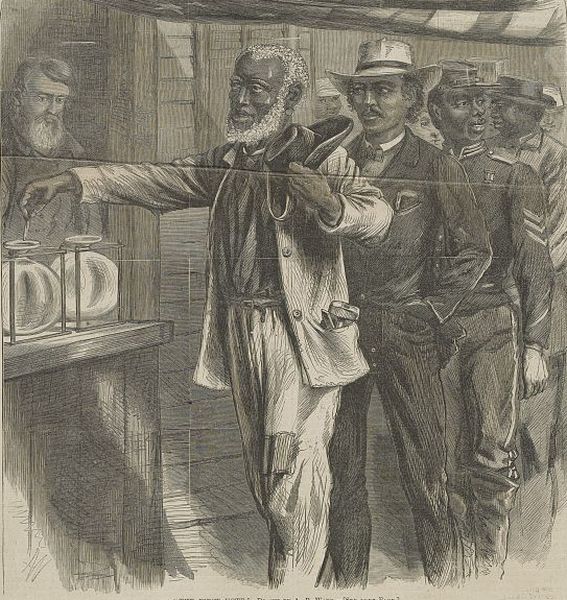
After the Civil War, African American men entered political life in ways never before possible. Voting and holding office became tools they used to protect freedom and shape their communities. Participation in government was not only about casting a ballot. It was about having a voice in decisions that affected daily life, from schools and taxes to safety and fairness in the courts.
Many Black leaders believed that political involvement was necessary to secure lasting change for their communities. By serving in office, they could help create laws that treated African Americans as full citizens. These leaders pushed for equal treatment under the law and supported public systems that could improve daily life. Education became a major focus because learning had been denied during slavery. With political power, Black lawmakers also shaped labor laws and supported protections for workers. Churches often helped organize meetings and encourage civic participation, which created strong community networks that supported these political efforts.
During this period, African Americans were elected and appointed to local, state, and national offices. Some worked as city officials, school board members, or judges. Others served in state legislatures, where they helped write laws and state constitutions. At the federal level, Hiram Revels and Blanche K. Bruce represented Mississippi in the U.S. Senate. In the House of Representatives, men like Robert Smalls spoke for their districts. These officials supported public schools, fair taxes, and civil rights protections. Several Southern states created new constitutions. For the first time, these included public education.
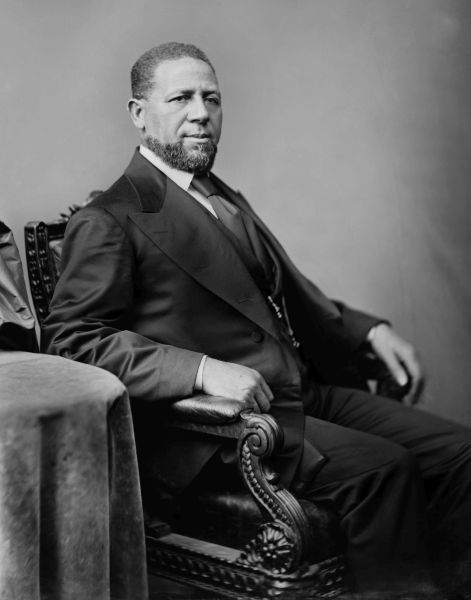
Political service also changed how African Americans were seen in society. Holding office allowed Black leaders to act as decision-makers rather than be excluded from power. It challenged long-standing ideas about who was fit to govern. In many communities, Black officials helped improve access to schools, courts, and public services. Their presence in government showed that democracy could include people from many backgrounds.
At the same time, participation in politics was met with resistance. Voting was often difficult due to poll taxes and literacy tests. Some African Americans faced threats or violence when they tried to vote or serve in office. Attacks on polling places and officials aimed to scare people away and reduce political influence. As federal support faded during Reconstruction, barriers grew stronger. Political opportunities became more limited.
.jpg)
