
When Rutherford B. Hayes withdrew federal troops from the South in 1877, Reconstruction ended in practice as well as in name. The federal government stopped enforcing laws, leaving Black citizens unprotected. State governments took action. They wanted to ensure white control stayed in place. Gains from Reconstruction now met organized resistance supported by the law.
Redeemer Democrats took control and changed state systems. Their goal was to prevent Black political influence from returning. In 1883, courts strengthened this change. The Supreme Court struck down important sections of the Civil Rights Act of 1875. It ruled that Congress cannot regulate discrimination by private individuals. This decision showed that federal authorities wouldn't step in to ensure equal access. As a result, state legislatures began to expand segregation laws. Political exclusion was no longer maintained only through intimidation; it was protected by statutes, court rulings, and local officials who enforced the rules unevenly.
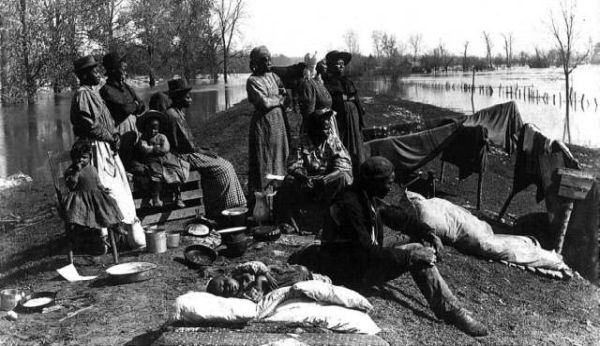
Violence also intensified after federal troops left the region. White supremacist groups acted without fear of punishment, and local authorities often did not protect Black communities. Some African Americans left the South during the Exoduster movement. They sought safety and opportunity in Western states, especially Kansas. The Great Exodus of 1879 saw many Black families looking for safety, believing that moving to the West would help them escape violence and political repression.
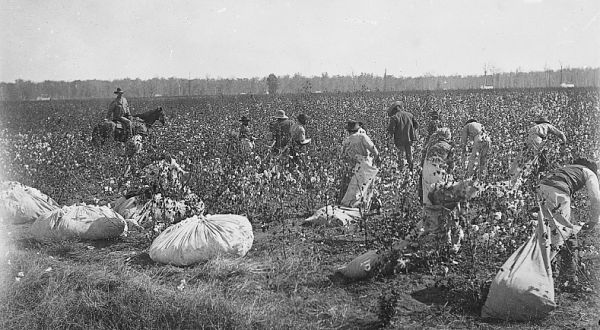
At the same time, economic control tightened through sharecropping. Sharecropping was a system where a farmer, often a black farmer, worked a plot of land owned by someone else in exchange for giving the owner of the land a large share of the harvest. Sharecropping was advertised as a way to gain independence, but it actually trapped families on land they didn't own. Most families ended up in a cycle of debt they couldn't escape because they had to borrow money for seeds and tools, usually from the landowner. Plantation stores used the lien system to charge very high interest on these supplies, leaving many farmers with no money at the end of the season. This debt made it impossible for families to move away, save money, or buy their own land.
Southern state governments also began rewriting their constitutions to formalize political exclusion. These changes embedded voter suppression into state law and made it far harder to challenge. Mississippi's 1890 constitution set a standard. It included poll taxes, literacy tests, and grandfather clauses in state law. Black voter registration fell quickly within a few years.
By the end of the post-Reconstruction era, political suppression, economic dependence, and legalized segregation shaped daily life. What had begun as backlash during Reconstruction became a codified system of control. These changes set the stage for the strict Jim Crow laws that would soon take over the South.
