
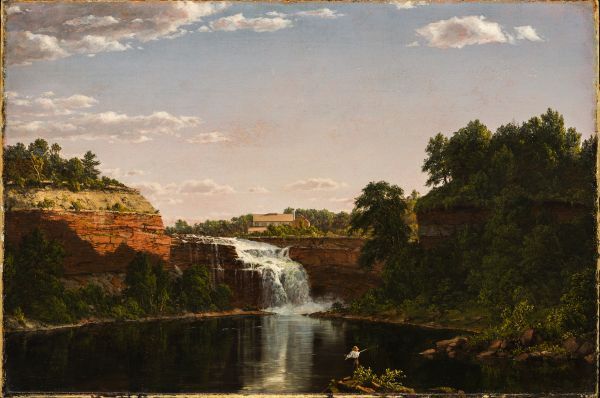
The Hudson River School was a group of American artists from the early to mid-1800s. They became known for their large, scenic paintings of nature. The movement began with Thomas Cole, and other well-known painters included Asher B. Durand and Frederic Church. They explored the Hudson River Valley, the Catskill Mountains, and the Adirondacks. Later, they explored the American West. They often painted tall cliffs and strong rivers. They also captured dense forests, glowing sunsets, storm clouds, and calm valleys. Their paintings helped people imagine the American landscape as a place filled with purpose, promise, and meaning for the growing nation.
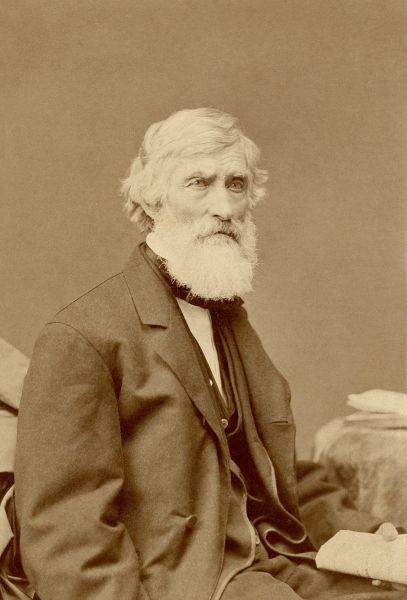
These artists shared ideas with the larger Romantic movement of the time. Romantic thinkers saw nature as a way to stir deep emotions, ignite imagination, and uncover spiritual truths. Hudson River School painters brought these ideas into their art. They often used dramatic light or mist to make ordinary places look mysterious or full of meaning. Many Americans believed that nature was a gift from God, so the paintings often suggested that the land carried a special purpose. Viewers were encouraged to feel wonder, hope, and even a sense of destiny when looking at these scenes.
At the same time, these paintings helped shape American identity. They taught people to see the land as central to who Americans were. The country was growing quickly, and many viewers looked at these paintings and saw a bright national future. Even when a small farm, town, or railroad appeared in the distance, the message often suggested that progress and nature could exist side by side.
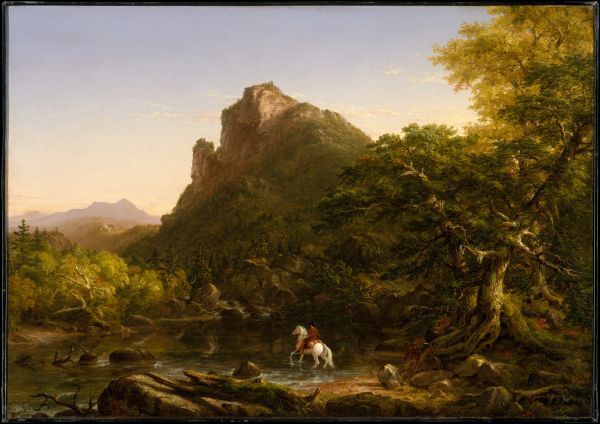
However, it is important to understand what these paintings left out. Many Hudson River School works showed the land as empty, even though Indigenous peoples had lived in these regions for countless generations. Some artists placed a single Indigenous figure in a corner, almost like decoration. This omission led to the false belief that the land was free for white settlers. It also implied that Indigenous histories did not matter.
The Hudson River School is still important today. It changed how Americans viewed their environment, history, and future.

.jpg)
