
During the American Revolution, France provided money, supplies, and military support to help the United States win its independence from Great Britain. In 1778, the two countries signed the Treaty of Alliance. This agreement promised that the United States and France would support one another against Britain.
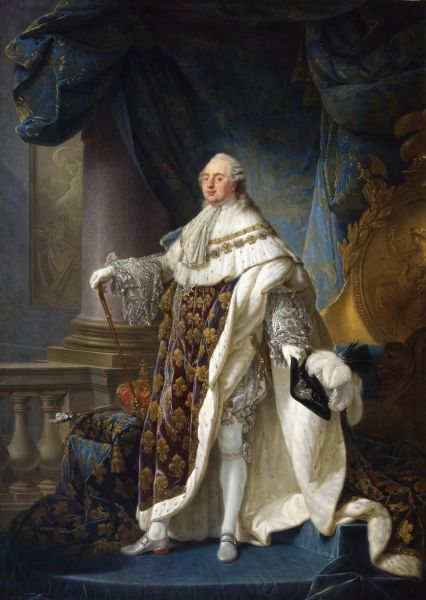
A few years later, France faced a revolution of its own. Many French people were inspired by ideas such as liberty, equality, and self-government. They challenged the power of the monarchy and demanded political change. The revolution grew more radical over time. In 1793, King Louis XVI was tried and executed, and France became a republic.
Soon, France was at war with Great Britain and several other European countries. Many European monarchs feared that revolutionary ideas might spread to their own nations. As the conflict grew, Americans began debating what the United States should do.
Thomas Jefferson, as Washington's Secretary of State, was responsible for helping manage the nation's foreign affairs. He believed the United States should support France. He argued that the French Revolution was connected to the same ideals that had inspired the American Revolution. Jefferson also believed the United States should honor the Treaty of Alliance and support a nation that had helped Americans gain independence.
Others disagreed. Alexander Hamilton argued that the young United States should be cautious. He worried that joining a European war could harm the nation's economy and drag the country into a costly conflict. Hamilton also believed that the violence of the French Revolution showed the dangers of political instability.
As Americans debated whether to support France, maintain ties with Britain, or avoid involvement altogether, pressure grew on President George Washington to determine how the United States would respond.
,_rev%C3%AAtu_du_grand_costume_royal_en_1779_-_Google_Art_Project.jpg)