
The Civil War changed the North in deep and lasting ways. Even though most battles were fought in the South, Northern life was reshaped by economic growth, new government power, and divided opinions about the war and slavery. These changes did not affect everyone equally.
The Northern economy grew during the war. Factories and transportation saw the most growth. Coal and iron production hit record highs. Railroads and canals transported much more goods than ever before. Businesses that made war supplies became very profitable, and some owners grew extremely wealthy. At the same time, inflation made daily life harder for workers. Prices for food, clothing, and fuel rose much faster than wages. Many families struggled as women and children worked long hours for low pay. Economic growth brought opportunity for some but hardship for others.
Agriculture also changed in the North. New machines, such as mechanical reapers, allowed farms to produce more food with fewer workers. Northern farms supplied food to soldiers, cities, and even Europe. The Homestead Act of 1862 encouraged people to move west by offering land to those willing to work it. These changes tied farmers more closely to markets and strengthened the Northern economy, but they also increased pressure on working families.
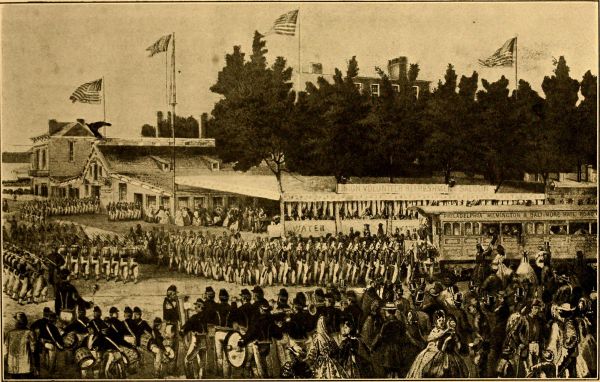
Politics in the North shifted as the federal government took on more authority. When volunteer enlistments declined, Congress passed laws allowing conscription. Many people accepted the draft as necessary, but others believed it was unfair. Rich men could hire substitutes or pay a fee to skip service. Men without the same wealth had no such options. This led many to describe the conflict as a “rich man’s war and a poor man’s fight.” To enforce the draft and control opposition, the government arrested protesters and used troops to maintain order in some areas.
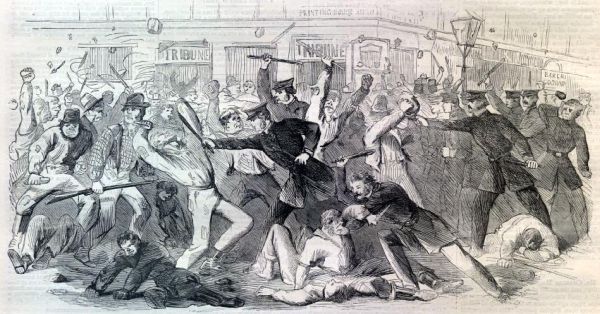
Public opinion in the North also changed during the war. At first, many people supported fighting to preserve the Union. After the Emancipation Proclamation in 1863, the war became more clearly connected to ending slavery. This gave the war a moral purpose for some Northerners, but it angered others. Reactions were shaped by racism, concerns about job competition, higher taxes, and fears of expanding government power. These tensions became visible during the New York City draft riots, when opposition to conscription turned into days of violence, including attacks on African Americans and property.
By the end of the war, the North had been transformed. Economic change, stronger federal authority, and new views on slavery and citizenship changed Northern society. These changes revealed deep divisions, showing that the North was never united in its experience or understanding of the Civil War.

