
In 1875, Congress passed the Civil Rights Act to protect the rights of African Americans after the Civil War. The law banned racial discrimination in public accommodations such as hotels, theaters, and transportation. Congress intended the law to enforce the Thirteenth and Fourteenth Amendments, which abolished slavery and promised equal protection under the law. When businesses refused to follow the law, several cases reached the Supreme Court.
In 1883, the Supreme Court consolidated five cases and issued a single decision known as the Civil Rights Cases. In United States v. Stanley and United States v. Nichols, hotel owners in Kansas and Missouri refused to serve Black guests. In United States v. Ryan and United States v. Singleton, theater owners in San Francisco and New York denied Black patrons entry. In Robinson and wife v. Memphis & Charleston Railroad, a conductor barred a Black woman from the ladies' car. The central question in all five cases was whether Congress had the constitutional authority to prohibit discrimination by private individuals and businesses. The Court ruled in an 8-1 decision that the Civil Rights Act of 1875 was unconstitutional, sharply limiting the federal government's role in protecting civil rights.
Writing for the majority, Justice Joseph Bradley argued that the Fourteenth Amendment only restricted the actions of state governments. The amendment prohibited states from denying equal protection under the law, but it did not apply to discrimination carried out by private individuals or businesses. Because hotels, railroads, and theaters were privately owned, Congress lacked the authority to regulate their behavior under the Fourteenth Amendment. The majority also rejected the argument that discrimination in public accommodations was a "badge of slavery" that Congress could eliminate under the Thirteenth Amendment.
Justice Bradley warned that allowing Congress to regulate private discrimination would give the federal government excessive power over everyday social and economic life. In his view, federal civil rights laws should only correct unjust state laws, not govern private relationships between individuals.
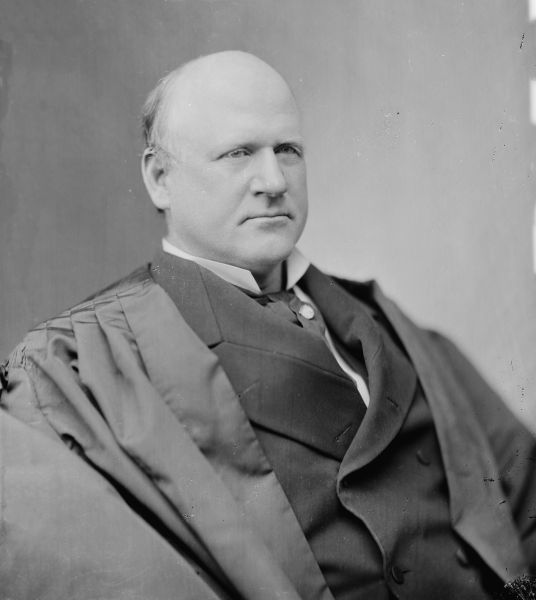
Justice John Marshall Harlan strongly disagreed. In a powerful dissent, he argued that the Reconstruction Amendments were intended to protect formerly enslaved people from all forms of discrimination. Harlan believed that businesses serving the public, such as railroads and inns, performed public functions and could not lawfully exclude people based on race. He further argued that discrimination in public accommodations remained a lasting "badge of slavery" that Congress was fully empowered to eliminate.
The Civil Rights Cases marked a turning point in the Supreme Court's approach to civil rights. By limiting federal authority, the Court stripped away one of the few remaining legal protections against racial discrimination. Without federal enforcement, discrimination in public spaces spread widely and went largely unchallenged for decades. Not until the Civil Rights Act of 1964 would Congress pass another national law banning discrimination in public accommodations.
