
African Americans. The Thirteenth Amendment ended slavery in 1865, but freedom alone did not guarantee equal treatment under the law. Many state and local governments in the South passed laws known as Black Codes that restricted the rights and freedoms of African Americans. These laws attempted to control where African Americans could live, work, and travel. Violence against Black communities also occurred in several cities, which convinced many national leaders that stronger government action was needed to protect civil rights.
During Reconstruction, the federal government attempted to address these problems through constitutional amendments and national legislation. The Fourteenth Amendment established citizenship and promised equal protection of the laws, while the Fifteenth Amendment protected the right of Black men to vote. Despite these changes, discrimination remained common in everyday life. African Americans were often denied service in hotels, transportation, theaters, and other public spaces. Many Americans debated whether the federal government should take stronger action to prevent discrimination and enforce equal treatment.
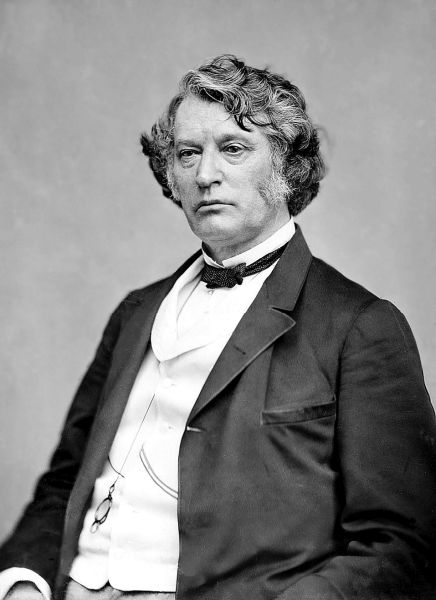
Senator Charles Sumner of Massachusetts became one of the leading advocates for federal civil rights protections. Sumner argued that the national government had a responsibility to protect the rights of citizens when discrimination occurred. In 1870, he introduced legislation designed to guarantee equal access to public accommodations. The proposal sought to ensure that all citizens, regardless of race, could use facilities such as inns, transportation, and places of public entertainment. It also attempted to protect the right of African American men to serve on juries.
After years of debate, Congress passed the Civil Rights Act of 1875. The law required equal access to certain public accommodations regardless of race or previous condition of servitude. Businesses that denied service based on race could face financial penalties and legal action under federal law. The act also declared that qualified citizens could not be excluded from jury service because of their race. To enforce these protections, violations of the law were to be tried in federal district or circuit courts rather than local courts. The Civil Rights Act of 1875 represented a major effort by the federal government to use national law and federal courts to address discrimination and protect civil rights.
