
In the middle of the Civil War, President Abraham Lincoln faced a difficult situation. The country was divided, the fighting was intense, and many people were unsure what the war was really about. At first, the main goal of the war was to preserve the United States, not to end slavery. Over time, however, Lincoln and many Americans began to see that slavery was deeply connected to the conflict and could not be ignored.
On September 22, 1862, Lincoln issued a preliminary Emancipation Proclamation. He warned that if the states fighting against the United States did not return to the Union by January 1, 1863, enslaved people in those states would be declared free. Lincoln announced this after the Union victory at the Battle of Antietam. This moment mattered because it showed confidence and helped signal that the Union was gaining strength.
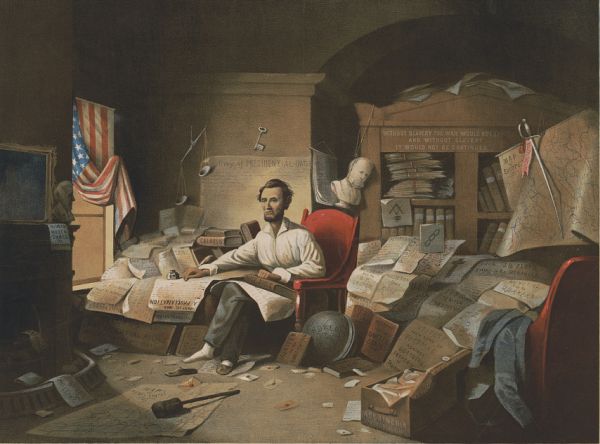
When Lincoln signed the final Emancipation Proclamation on January 1, 1863, he exercised his wartime power as commander in chief. The document declared that enslaved people in states still in rebellion “shall be then, thenceforward, and forever free.” Even though it did not free all enslaved people right away, it clearly changed the meaning of the war. The fight was no longer only about saving the Union, but also about ending slavery.
Lincoln called the Emancipation Proclamation a “fit and necessary war measure.” It weakened the Confederacy by disrupting its labor system and allowed African American men to join the Union Army and Navy. As Union troops moved through the South, more enslaved people gained freedom. The proclamation helped shift public opinion and gave the war a moral purpose, linking the future of the Union to the destruction of slavery.