
Case 1: Commonwealth v. Pullis (1806)
In the late 1700s, shoemaking was an important trade in Philadelphia. Many journeymen cordwainers, a type of shoemaker, worried about low pay and “scab” workers who would work for less. In 1794, they formed the Federal Society of Journeymen Cordwainers to protect wages. Over the next years they organized several “turn-outs,” or strikes, to push for higher pay. Masters and journeymen both disliked cheap shoes, but they did not stay united. By 1805, export orders for the South had grown, and masters wanted to keep wages for that work low. Journeymen went on strike for almost seven weeks, refusing to make shoes until pay went up.
Masters took the fight to court. A grand jury indicted eight journeymen for “combination and criminal conspiracy” to raise wages. At the trial, the prosecutors said their society was a threat to the city’s economy and even to social order. They pointed to English common law and argued that workers had no right to join together to control wages. The defense answered that journeymen had a right to organize and to earn pay similar to workers in other cities. In the end, the judge told the jury that any worker society formed to raise wages was illegal. The jury found all eight men guilty and required them to pay fines. After this case, courts often treated worker groups that tried to set wages as unlawful.
Case 2: Commonwealth v. Hunt (1842)
By the 1830s, new kinds of factories and shops had changed work in cities like Boston. Many artisans were now wage earners. Journeymen bootmakers in Boston created the Boston Society of Journeymen Bootmakers. They aimed to protect their wages. They had already struck more than once to raise their rate per pair of boots. The case that became Commonwealth v. Hunt grew out of a conflict within this society. A member named Jeremiah Horne broke some of the rules and refused to pay his fines. The society warned his master, who then fired Horne. Horne responded by bringing criminal conspiracy charges against the leaders of the society.
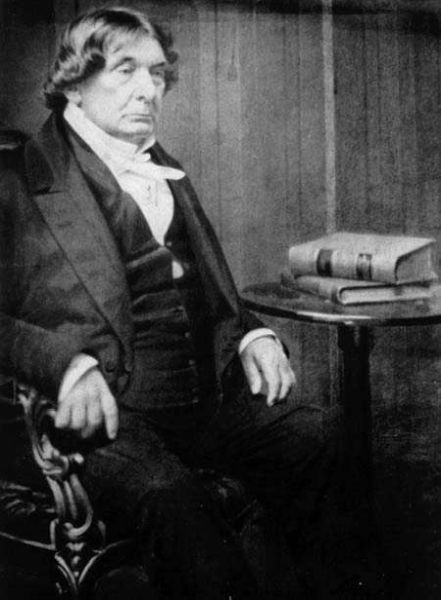
Seven members were tried and found guilty in a lower court. The judge there said that, under common law, any “combination in restraint of trade” was illegal. The bootmakers appealed to the Massachusetts Supreme Judicial Court. Chief Justice Lemuel Shaw heard the case. In 1842, he ruled that a labor society was not automatically a crime. Workers, he said, could agree on wages, decide whom they wanted to work for, and even refuse to work with nonmembers, as long as their goals and methods stayed within the law. Shaw overturned the guilty verdicts. His decision made it clear that unions and strikes could be legal in a commonwealth when they used peaceful and lawful means.
