Fort Sumter was a United States military fort located on a small man-made island in Charleston Harbor, South Carolina. Its location allowed it to control ships going in and out of the harbor, making it a key military site. After South Carolina left the Union in late 1860, Fort Sumter became one of the last federal forts still under Union control in the Deep South.
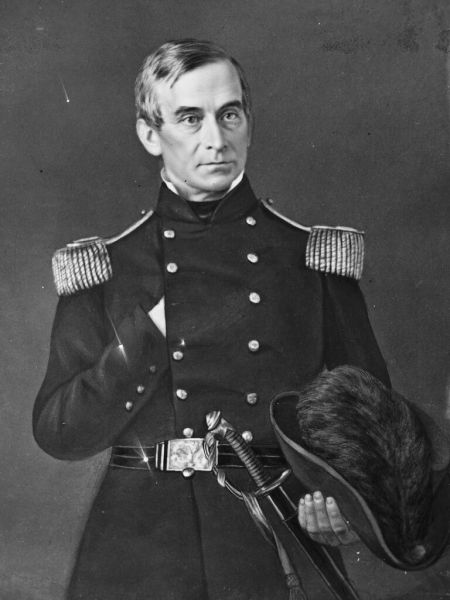
Major Robert Anderson commanded the fort with fewer than one hundred soldiers. Confederate leaders believed the fort now belonged to South Carolina and demanded that Anderson surrender it. Anderson refused. He felt a duty to the U.S. government and couldn’t leave the fort without orders. His refusal increased tension as Confederate forces surrounded the harbor.
Inside the fort, supplies were running low, which made the situation more urgent. Earlier attempts to send food and reinforcements had failed. When Abraham Lincoln became president, he faced a difficult choice. He wanted to avoid war, but he also did not want to give up federal property. Lincoln announced that he would send ships to resupply Fort Sumter with food, not weapons.
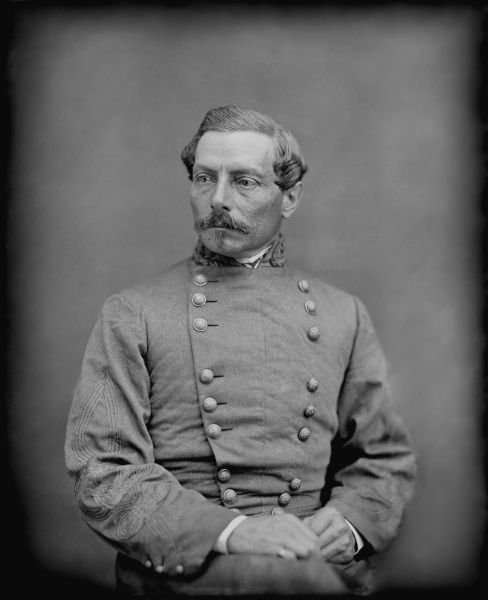
Confederate leaders saw this plan as a threat. They believed resupplying the fort meant giving in to Union control. Confederate officers met with Major Anderson and again demanded surrender. Anderson politely refused, even though he admitted his supplies would soon run out. With no agreement reached, Confederate General P.G.T. Beauregard ordered Confederate forces to open fire. At 4:30 a.m., Lieutenant Henry S. Farley fired the first shot from Fort Johnson on James Island, signaling the start of the attack on Fort Sumter. Soon after, fighting began.